Share a photo of your pet and tell us one thing that makes them uniquely them.
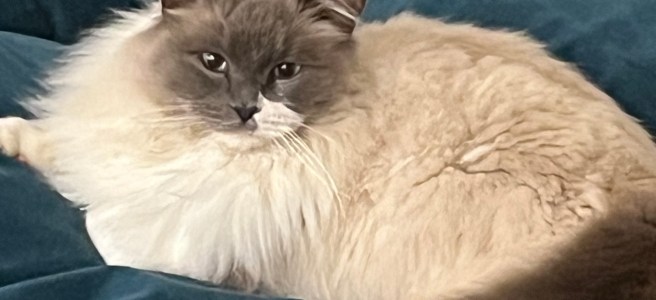
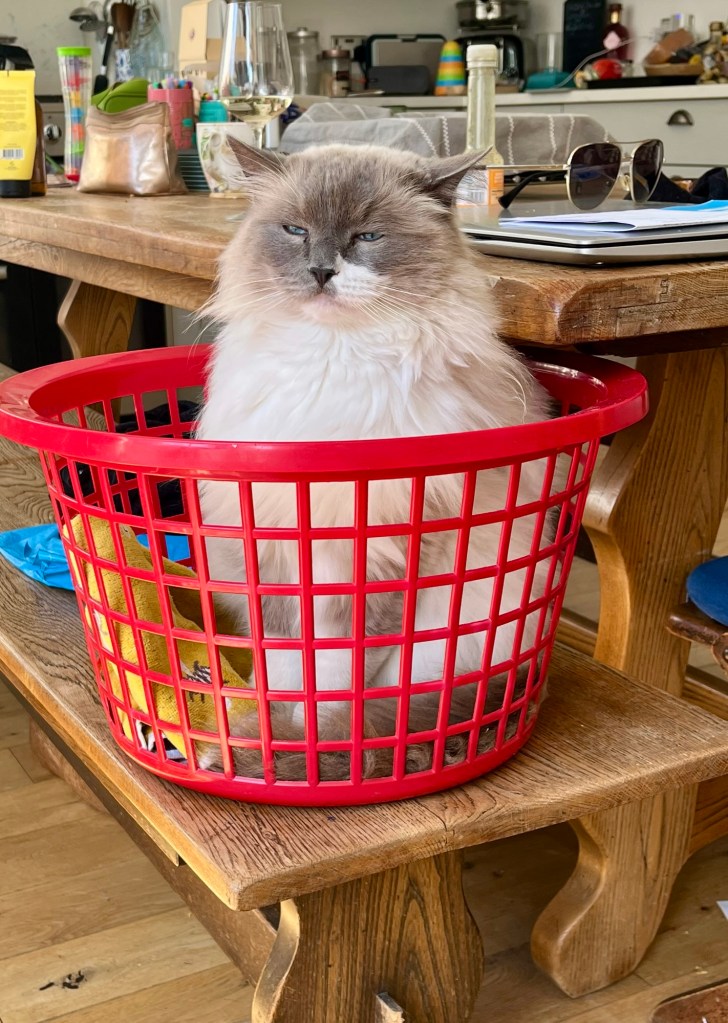
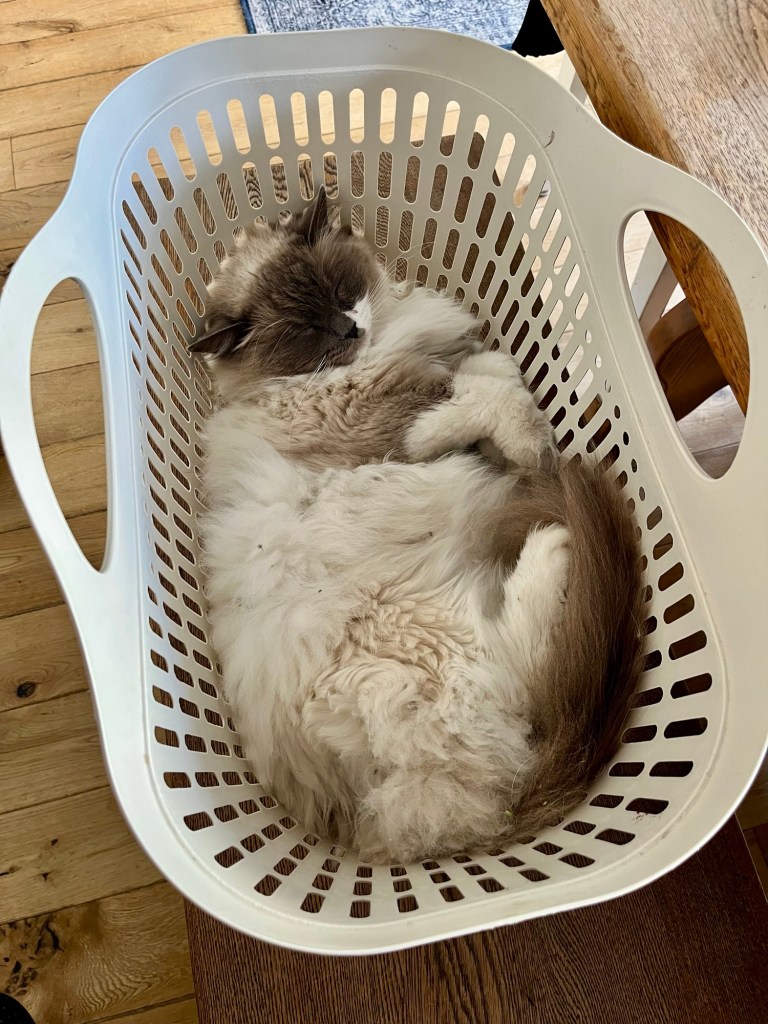
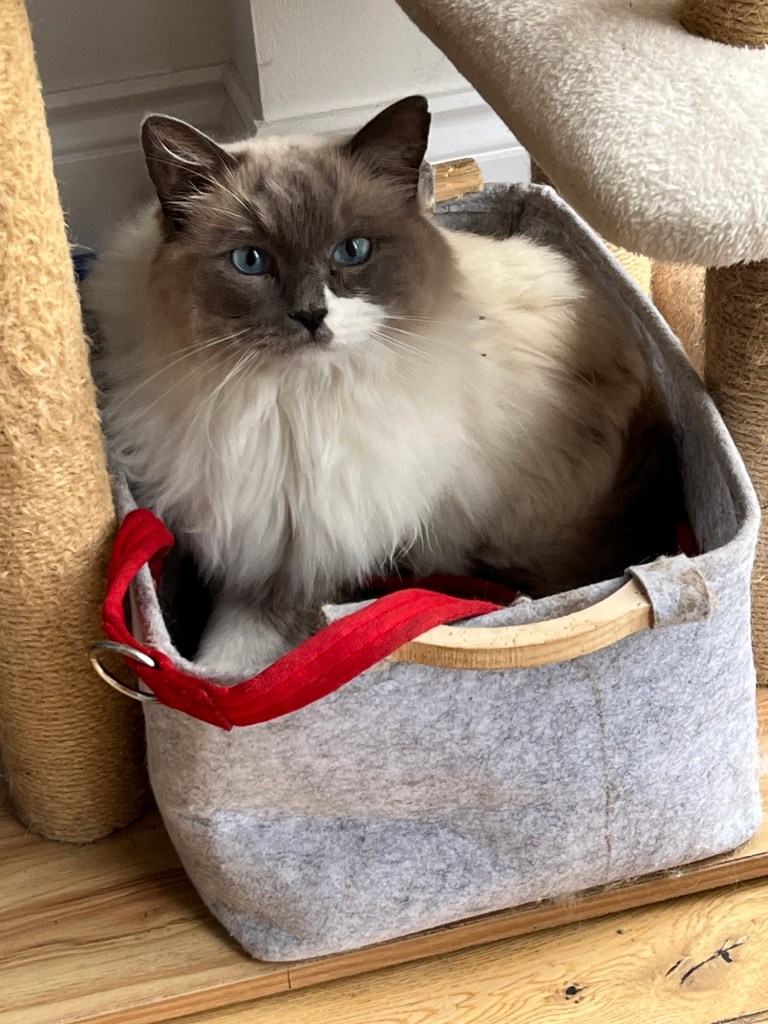
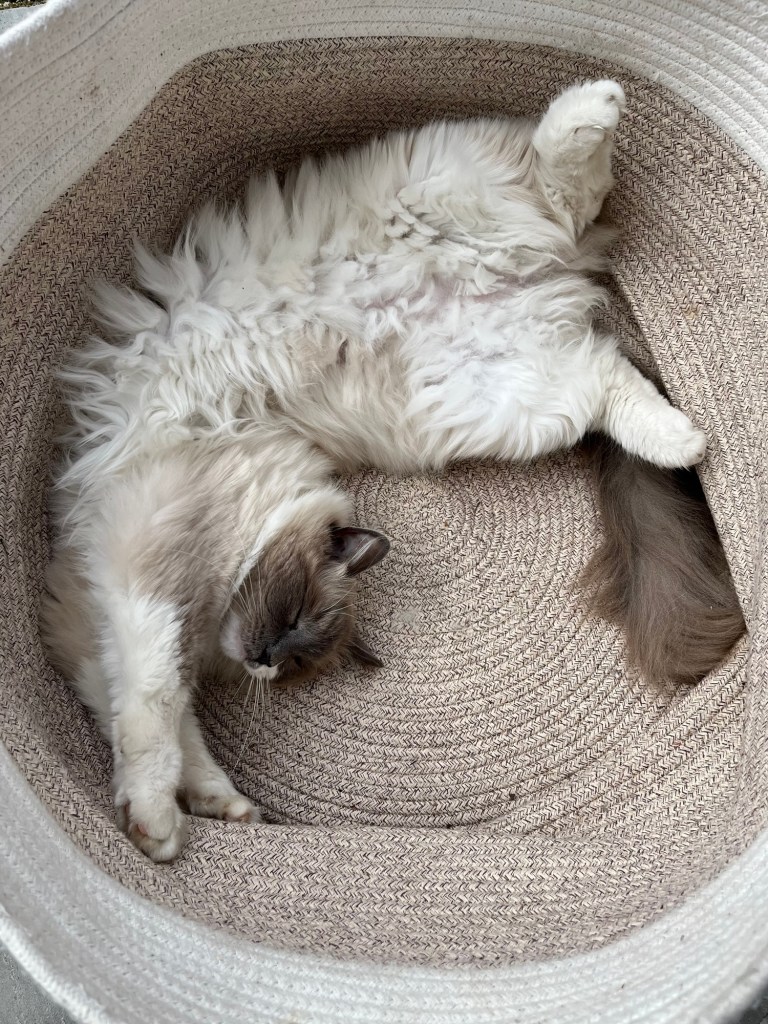
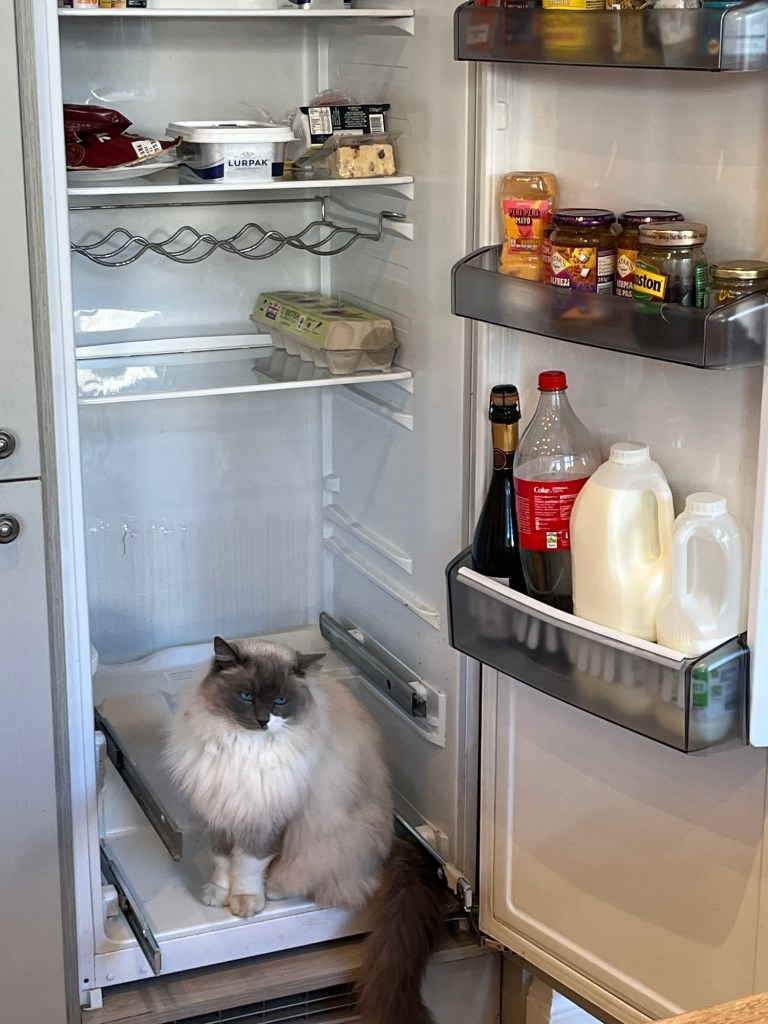
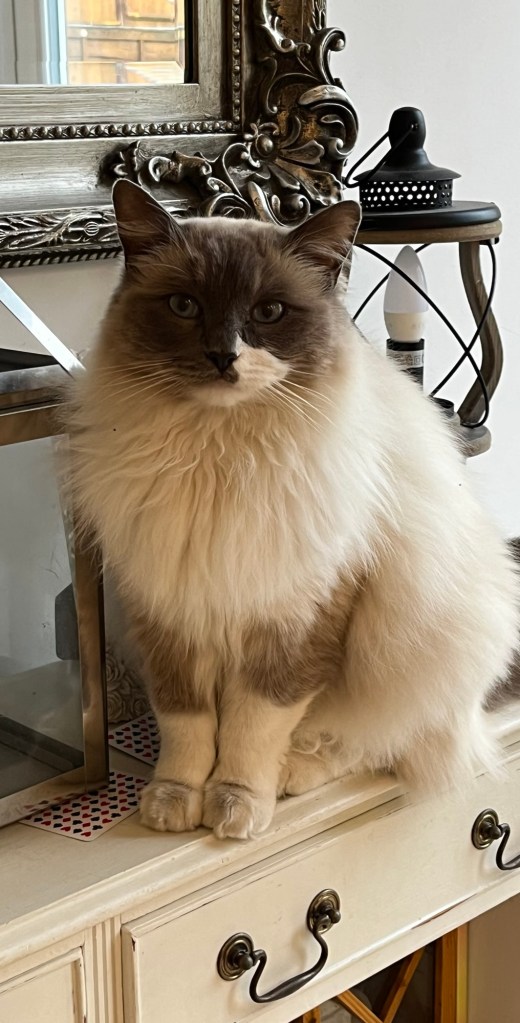
Moses likes climbing in baskets
Cupboards and suitcases too
He’ll find any vacant space going,
And any old crevice will do.
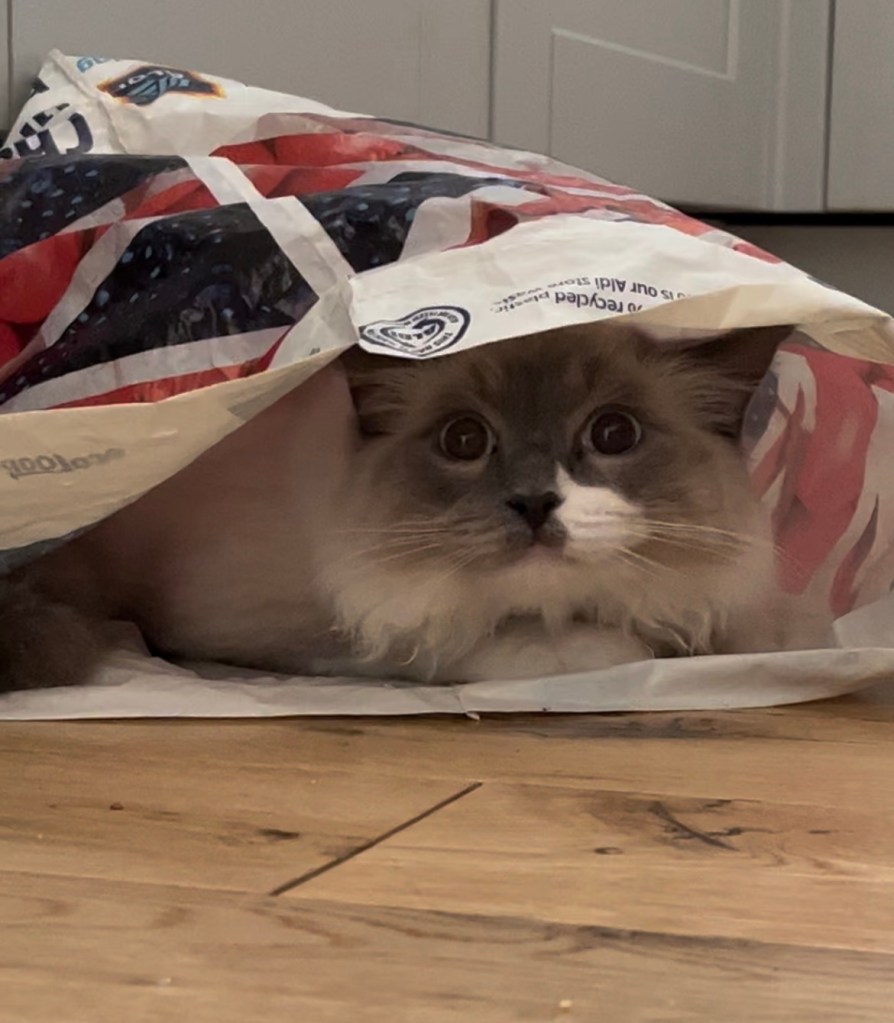
A shopping bag makes a good hideout
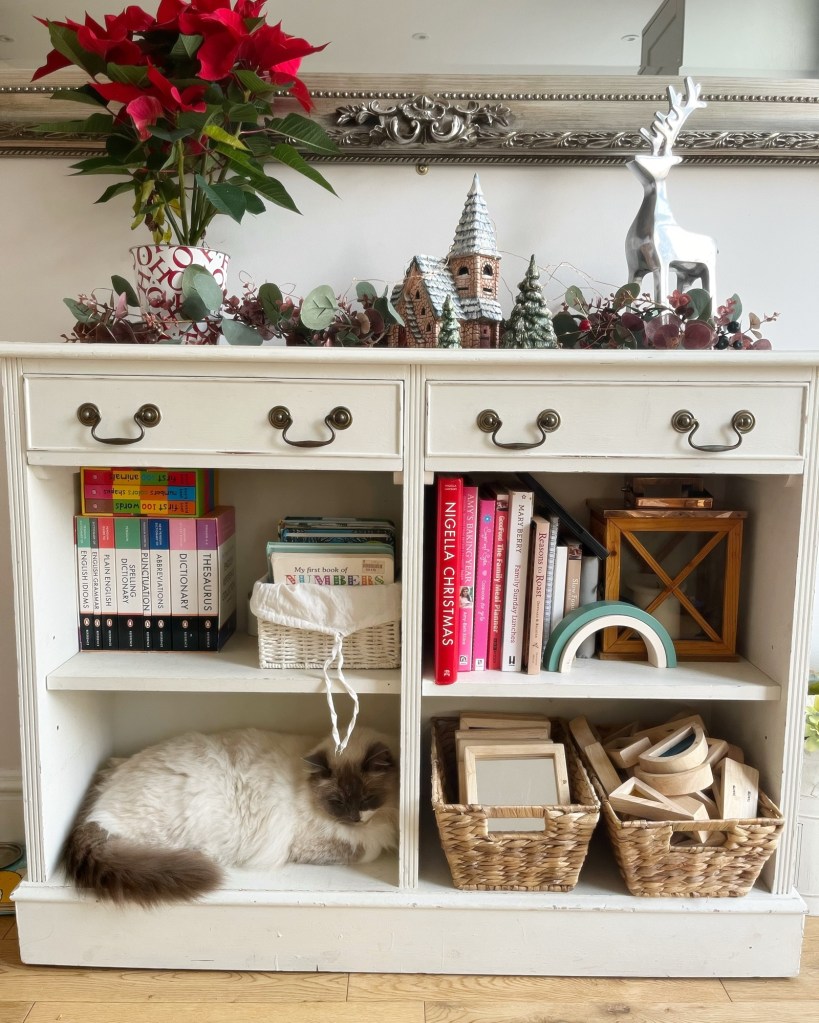
In a space on a bookcase he’ll squidge,
But I think you’ll agree
That it’s going too far
When a cat climbs right into your fridge.
Growing up as a child in South London, where it’s often a few degrees warmer than the rest of the country, often meant that we’d be the hard-done by kids that didn’t get any snow. When the news and weather came on, we could only look on in envy at all the videos of children all around the UK flying down hills on sledges because school was cancelled!
In memory of this, I wrote this rhyming story about a group of Primary School kids in just this situation. : I hope you enjoy reading it. Alternatively, you can listen to me reading it here: https://dirigibleballoon.org/poem/The-Day-It-Didnt-Snow.
We trudged into school feeling terribly glum,
We’d been hoping for snow, but that snow didn’t come.
Instead, it was raining, and grey, grey, grey, grey,
And then it got worse,
When Miss Gibbs said: “Wet play.”
While other kids sledged up and down, having fun,
We sat, with our heads in our hands, having none.

Miss Gibbs gave us paper and glitter and glue,
She told us: ‘Stop moping! Find something to do.”
Then up piped the voice of a new kid, called Trevor:
“I’m making the world’s longest paper-chain ever!”

And we watched him make rings.
Out of strips of bright paper,
He looped them,
And linked them,
And glued them together.

And the whole class joined in,
It was something to do,
And we all added loops
Til that paper-chain
G-R-E-W!

Silver and crimson,
And glittering green,
Our chain was fantastic,
The best EVER seen!
It stretched round the room,
And then out through the door,
But it still wasn’t finished,
We all wanted more!

Then the kids in year Two
Saw our paper-chain fun,
And the kids in Year Three
Told the kids in year One.
And before very long,
The whole school seemed to know,
And everyone helped
Make our paper-chain grow!
And even the teachers,
Miss Gibbs and Miss Baker,
Began cutting strips out of colourful paper.

And our lessons got cancelled,
We were: ‘learning through play,’
We were trying new things,
It was paper-chain day!

And when it was finished,
We all oohed and aahed,
At our fabulous chain,
Made of paper and card.

It was draped down the corridor,
And all through the school,
Once round the classrooms,
And twice round the hall.
Even the staffroom
Was brightly festooned,
“Ooh, it looks lovely!”
Miss Hunniford swooned.

And the newspapers came
With their camera crews,
And suddenly in strolled
A bloke from the news!

And we didn’t get snow,
But we got on TV,
Miss Gibbs and some other kids, Trevor and me,
And our marvelous paper-chain
Shiny and bright,
Got a five-minute feature, on London Tonight!

We’d done it!
We’d made the best paper-chain ever,
Our brilliant school,
And the new kid called Trevor.
Summers end,
Gone in a blaze of glory,
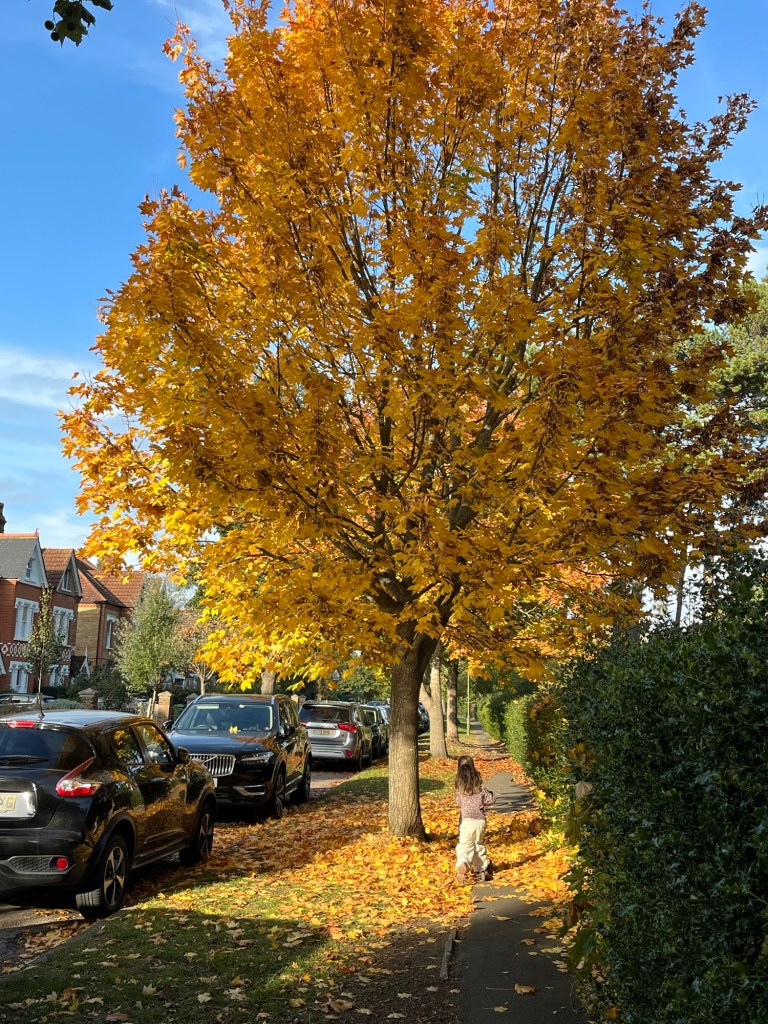
As though the trees soaked up the last of the sun,
Then, full-to-bursting
Came twirling down,
Lining the streets with ribbons of gold
What a breathtaking sight to behold!

Season's change,
In a never-ending-age-old story,
Reminding us all that
God knows what's best
Adorning the holly hedge
With a graceful ochre crown,
And beautifying the streets around this old familiar town.

Crimson, vermillion
How many?
A million?
Carpeting the forest floor,
With leaves and treasures galore,
How I adore
This Autumn.
The course content is not only helpful, but wonderfully inspiring and at the end of every session, there is an exercise to try. The most recent was to read the classic ‘Jabberwocky’ by Lewis Carroll – writer of the Alice in Wonderland books – and use it as a basis for writing your own story or poem.
In case you haven’t read it, ‘Jabberwocky’ is a poem which intersperses plain English with totally nonsensical, made-up words resulting in a totally brilliant bit of balderdash which the reader can still understand!
For the sake of time, I decided to stick largely to the original text, but try to come up with my own nonsensical words in place of Carroll’s! And here is the result.
T’was flinkle, and the smurky glurg, Did chire and chunder in the floom, All boggy were the swampaleeze, And the qualm fligs downrume.
‘Beware the Gringlecrunch, my son, His knees go creak, his knuckles crack. Beware the Howling Jowl and run From terrifying Bladdersmack!’
He took his runsome sword in hand, Longtime the vexious foe he sought, So rested he by the Plickadee And stood a while in thought.
And as in flonder thought he stood The Gringlecrunch with breath most foul, Came hortling through the greeping wood Skarooming with a howl!
One two! One two! And through and through, The runsome blade went Bammleboff! He left it dead, and with its head He went marading off!
‘”And hast thou slain the Gringlecrunch? Come to my arms my lubbish lad, Oh vumshious night, Skooreeh! Skoorite! My heart is minsely glad.
T’was flinkle, and the smurky glurg, Did chire and chunder in the floom, All boggy were the swampaleeze, And the qualm fligs downrume.
I found this exercise heaps of fun, but also challenging. Believe it or not, it’s trickier than you might think to to come up with a word that sounds vaguely recognisable, whilst at the same time being utter nonsense – especially whilst sticking to a rhyming scheme.
So in honour of National Poetry Day, (which is tomorrow by the way) why not have a go at writing your own rendition of ‘Jabberwocky?’ I’d love to hear how you get on!
In just under two weeks time, on 12th May, it’s National Limerick Day, where people post their favourite Limericks on Social Media, under the hashtag: #NationalLimerickDay!
Why May 12th? It was the birthday of the English Poet, Edward Lear, who was the king of limericks, making them popular in the early 1800’s.
A limerick? What’s a Limerick? I hear you ask. How do I write one? And why should I bother?.
And here is my answer!
It’s fun to sit down with a brew,
And come up with a limerick, or two,
It’s a juggle of thoughts,
A word-puzzle of sorts,
It’s a word-nerdy thing you can do!
Hahaha! A slightly silly response, granted. But here’s my logic: The very best way to learn how to write a Limerick is by reading them!
But just to be clear, here are a few features of the Limerick:
Limericks are humerous, rhyming, five-line poems, with the pattern: AABBA
They often tell a little anecdote or story – which makes them really fun to write.
Like this:
There once was a kitty so smart,
Stealing food was his devious art,
He would pilfer your chicken,
Next your ham, he’d be nickin’
Why, he’d even come back for your tart!
Our pets seem to feature quite regularly in my limericks – but, honestly, you can write a limerick about pretty much anything.
It could be educational:
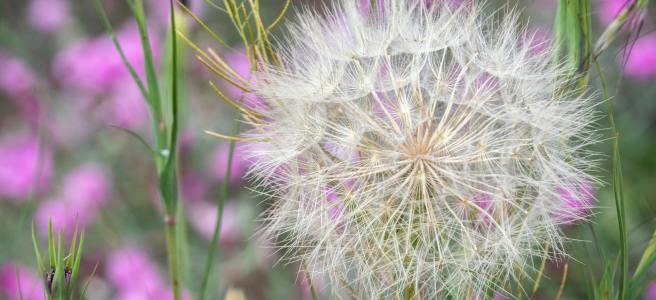
Seeds are remarkable things,
Some have spikes, some rotate, some have wings,
Dandelion is cute,
With its seed parachute 🪂
But the best one of all sorta' PINGS!

 - you could even write a limerick about…writing limericks!
Writing lim'ricks is tricky, but fun,
Make sure lines five and two rhyme with one,
Add a killer last line,
(If it helps, drink some wine!)
Don't give up, you'll be glad when it's done!


So what are you waiting for? You've got just under two weeks to get scribbling!
Here are some tips to get you started!
Pick one subject to write about- it could be your pet, a silly situation, a favourite film or book or even about yourself;
Try and nail your last line early on – this is the line that ties everything together, and if done well, really gets the giggles;
Remember, lines one, two and five all have to rhyme – so pick a common sound for your word-ending. Be creative with it! In some instances, forced rhyme can work quite well! (See last line of the second example below)
If you’re stuck, try to avoid abandoning your subject idea altogether. Instead, walk away for a bit. There are more ways than one to say something. Limericks are like a puzzle. Often the answer comes when you’re busy doing something else, like walking the dog, or doing the washing up.
A rhyming thesaurus can be really useful for those word endings, especially if you’re missing a beat or syllable
Oh, a rhyming thesaurus is grand,
It can help when your limericks are bland,
It can give you word power
At the e-leventh hour,
With names like: Pituitary Gland

There once was a cute little kitty,
Who would sit around looking so pretty,
But this act was a lie,
He was really a spy,
No you should not believe cats one bitty.
Moses, looking like butter wouldn’t melt…
I hope this post has inspired you and that you’re running for your notebook and pencil as we speak! Perhaps you’ll be brave enough to post them on #NationalLimerickDay!
I love taking part in poetry events and online initiatives. One of these is #HaikuSaturday.
What’s a Haiku, you may well ask?
Well…it’s not a sneeze!
But it is a very short poem that follows these three rules:
A haiku consists of three lines (which don’t generally rhyme);
A haiku consists of (no more than) 17 syllables;
A haiku captures a brief, vivid moment or observation, or sudden realisation , often related to nature. The aim of a haiku is to say something big, profound, powerful or evocative, using only a few words.
If you’re new to writing Haiku – try starting with the 5-7-5 sequence:
5 syllables in line one
7 syllables in line two
5 syllables in line three
Like this:
God is a painter,
The skies are His canvasses,
Glory on display!
The whole poem should be about ONE thing. One moment. One observation. One striking thought or idea.
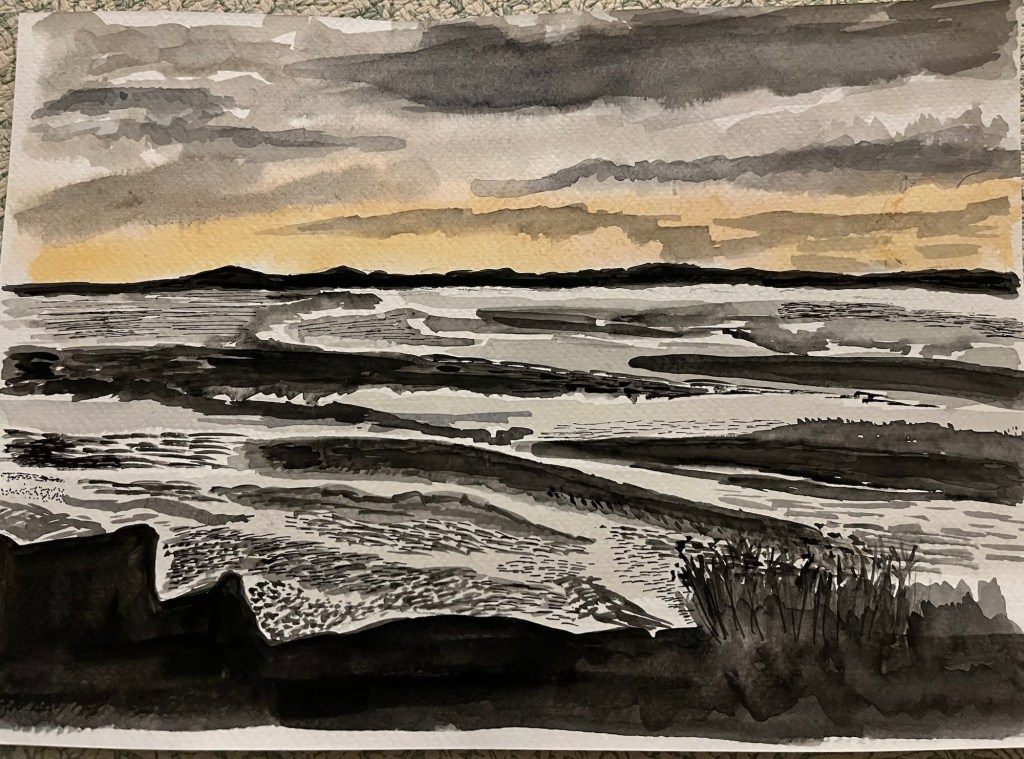
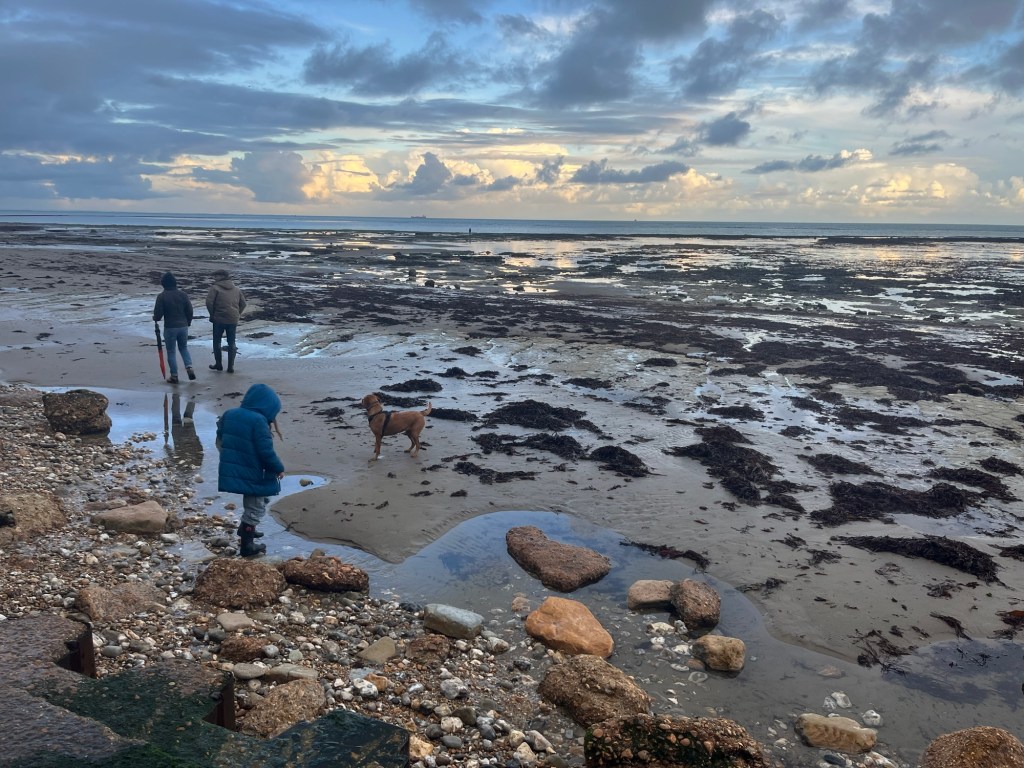
After the deluge,
Rock pools flooded with bounty,
Treasures in the storm
Now it’s Your Turn!
Here’s three reasons why you should try writing a Haiku today:
Haiku are a great way of celebrating those wonderful fleeting moments in nature, encouraging you to really stop, look and listen! I love the saying: – “you should spend one hour every day in nature. Except if you’re busy. Then you should spend two.”
Fed up with the Crossword? Haiku are a great way to exercise your brain, hone your word-skill and practice getting your thoughts on paper – and there’s no right or wrong way to write a haiku;
You know all those photos that are just hanging around on your phone? Why not use them as inspiration for a Haiku? And if you’re a writer or blogger, you’ll even have something fresh to post!
And most of all, Haiku are a great way to experiment with phrases, forget about trying to rhyme and just have fun with words! (see, that’s four reasons! Now go on – grab your note-book and pen!)
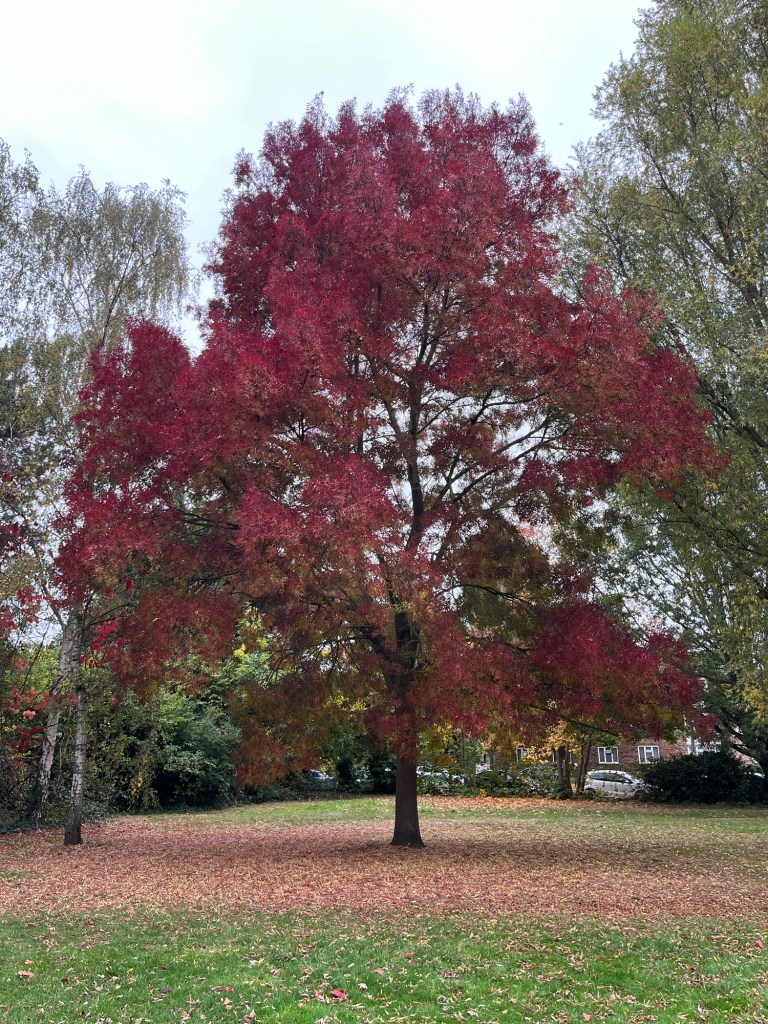
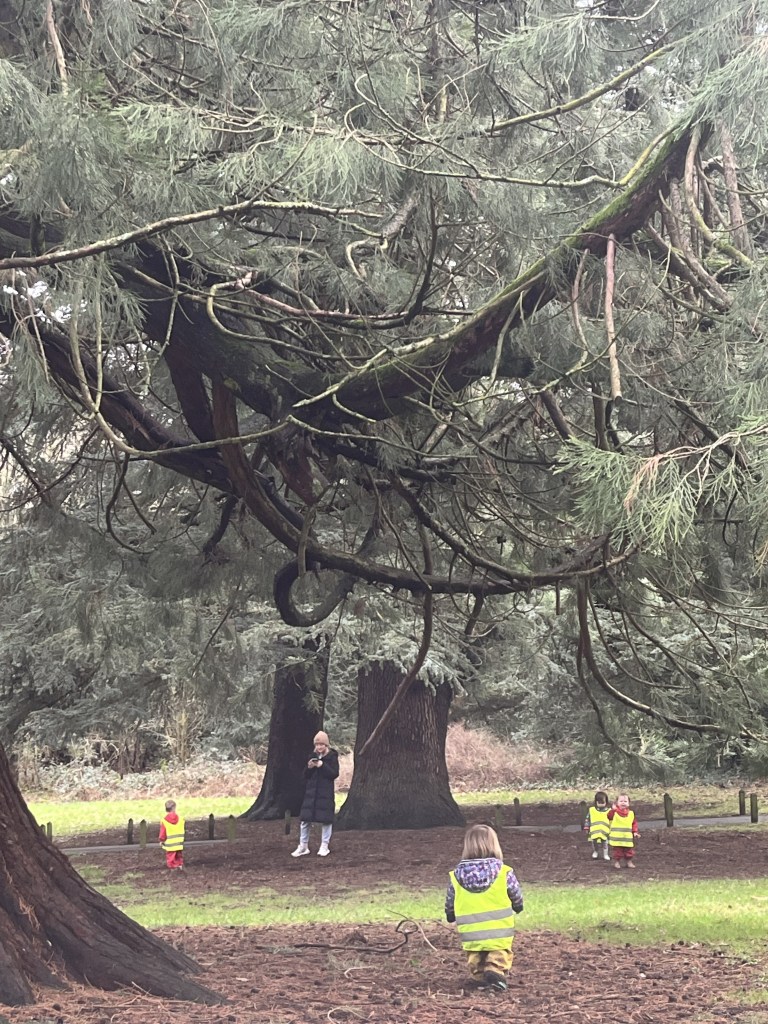
Magnificent tree,
How many winters have you
Stood against the wind?
If you’re new to writing poetry, why not jump on board today? You could even post your Haiku in the comments section below ! I’d love to read them!
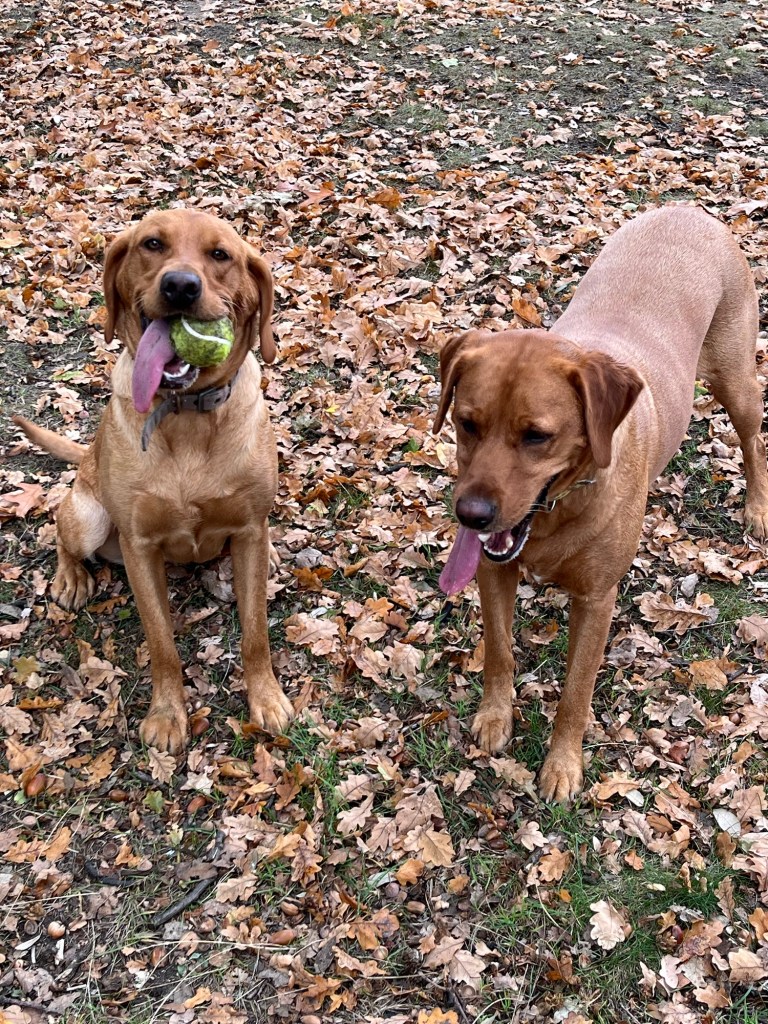
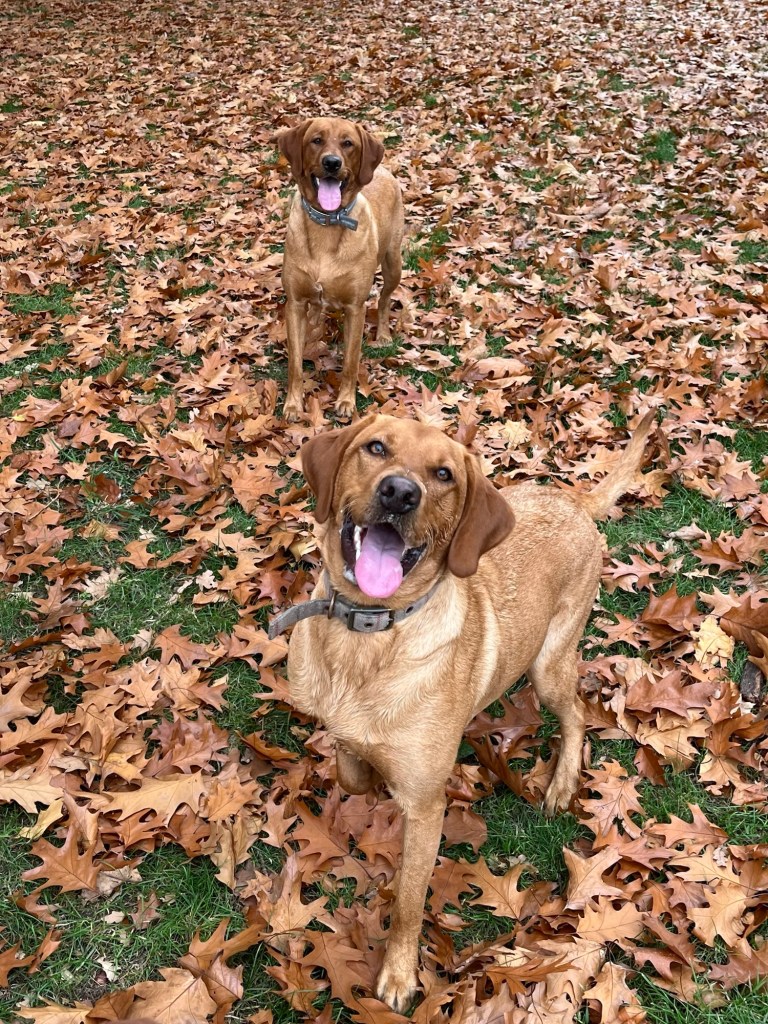
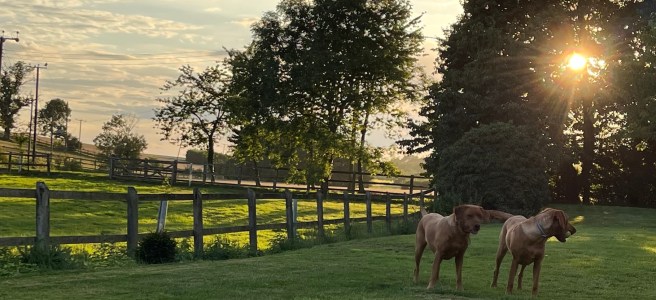
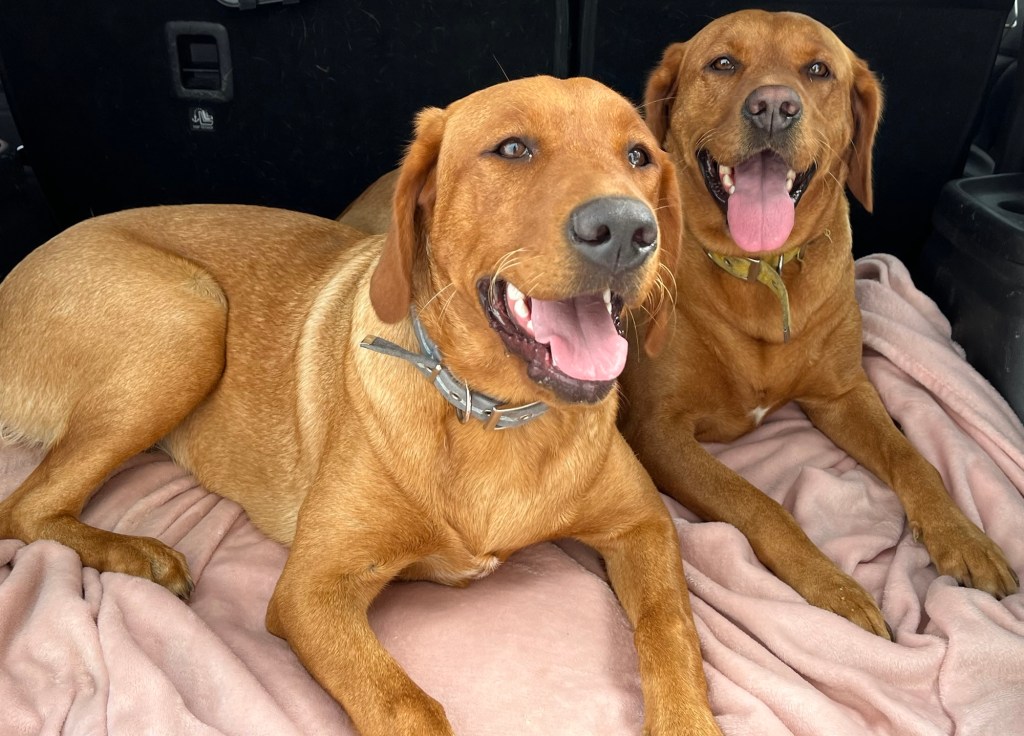
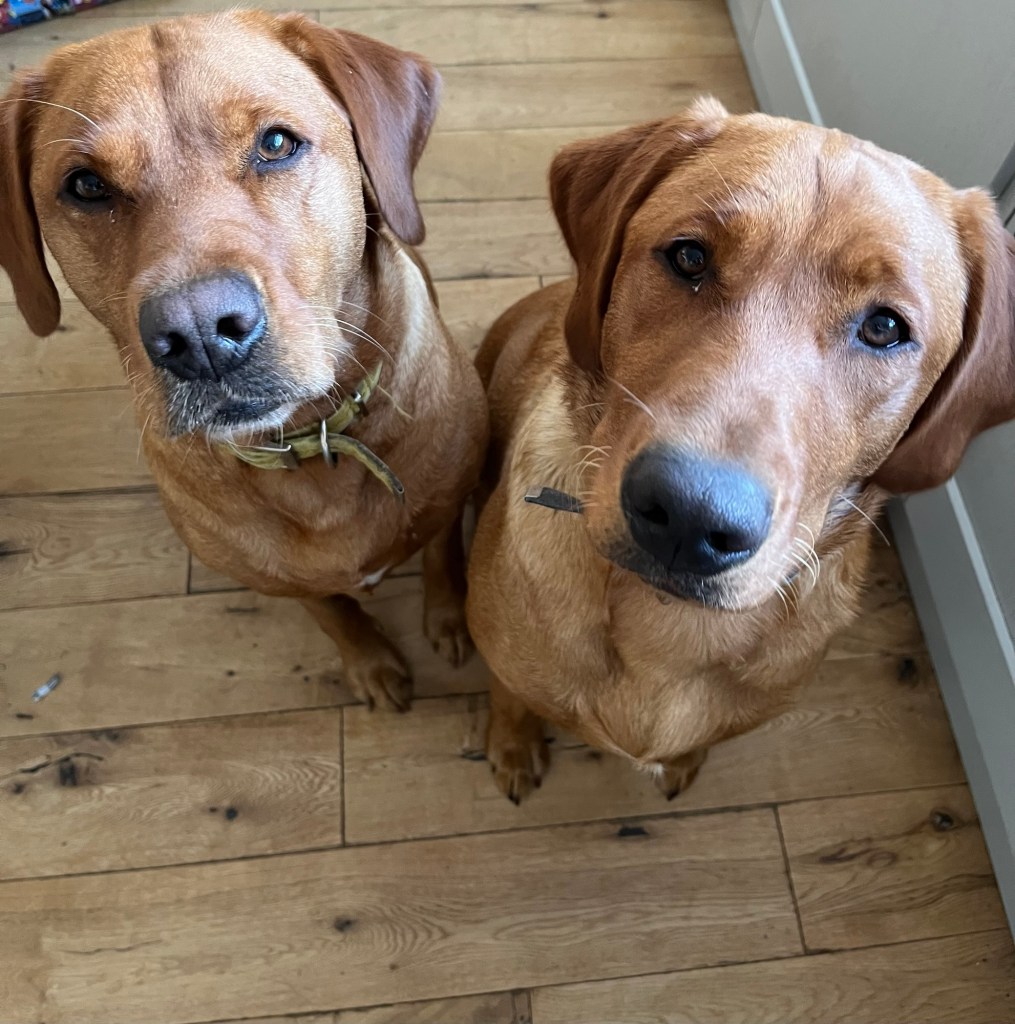
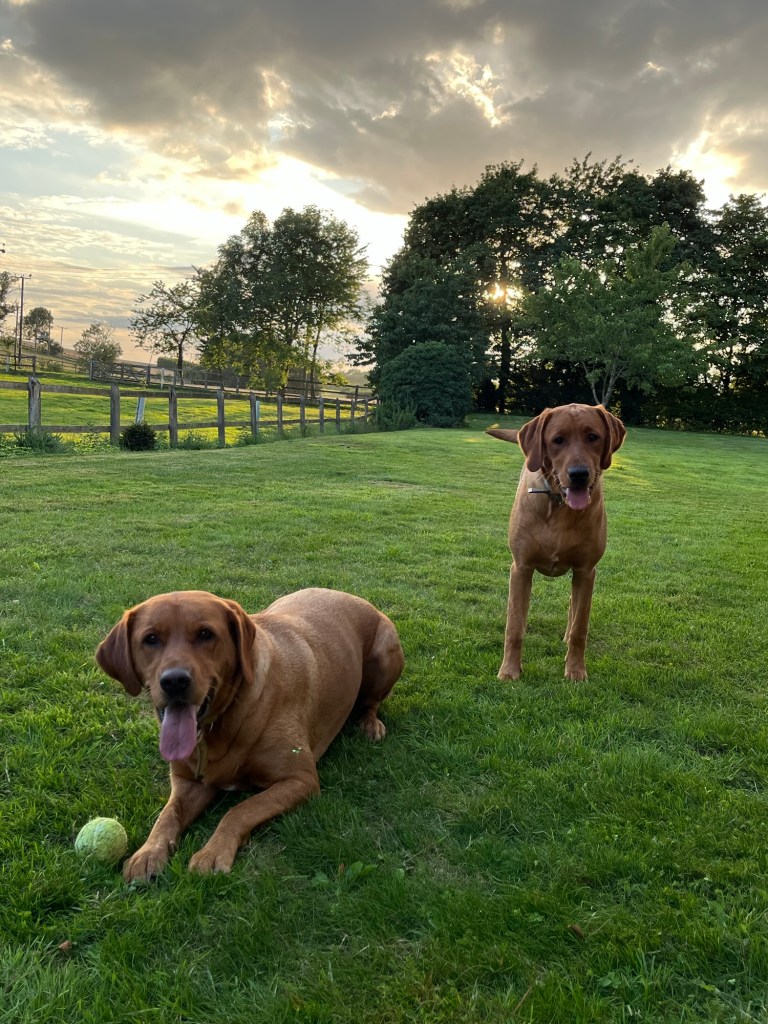
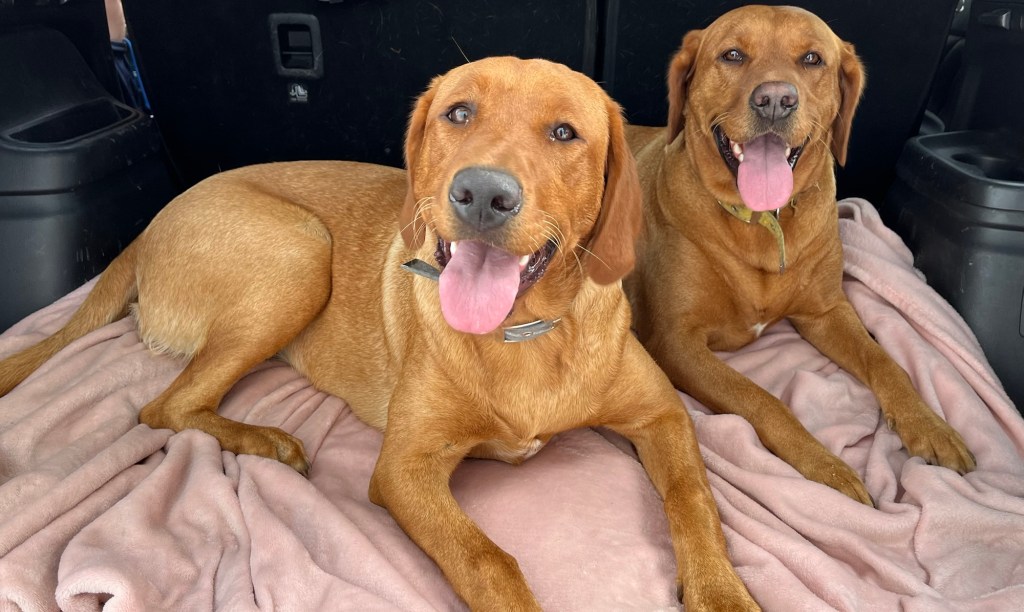
Being a dog owner, sometimes means dragging yourself out on a Saturday, when you’re feeling a tad lazy. Amber, our Labrador, NEVER feels like this. Even the mere mention of the ‘W-A-L-K’ word sends her whizzing around the kitchen like a spinning-top. It’s such a blessing to have an enthusiastic dog to drag me out of that front door, reminding me to lay aside my busy-ness for a fraction of the day – and just be! It can be hard to get going at times. There are often a-hundred-and-one things I feel I ought to be doing instead, but I never ever regret it! And sometimes it even leads to little poems – like this one.
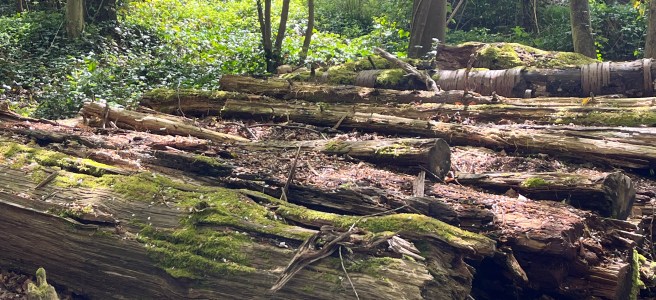
WOODLAND WALK

The wildness of the wood,
It always does me good.
The dappled light,
The green,
The gold that slips between,
The fresh and earthy smell,
The feeling all is well.

A calmness in my mind,
As aching limbs unwind,
Enveloped in the green,
No chores, no crowds, no screen.
A pause within my day,
A chance to think and pray.

Away from city rush,
A place that whispers: 'hush!
It's good to stroll and talk."
This wondrous woodland walk.









 Angela Jelf