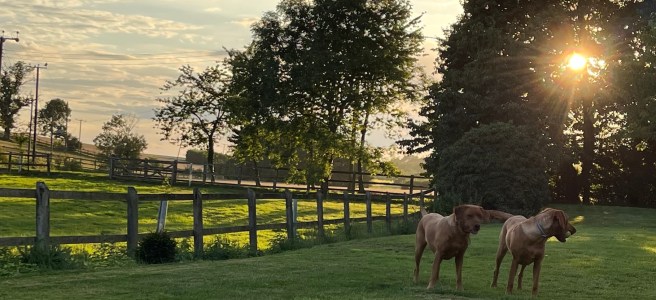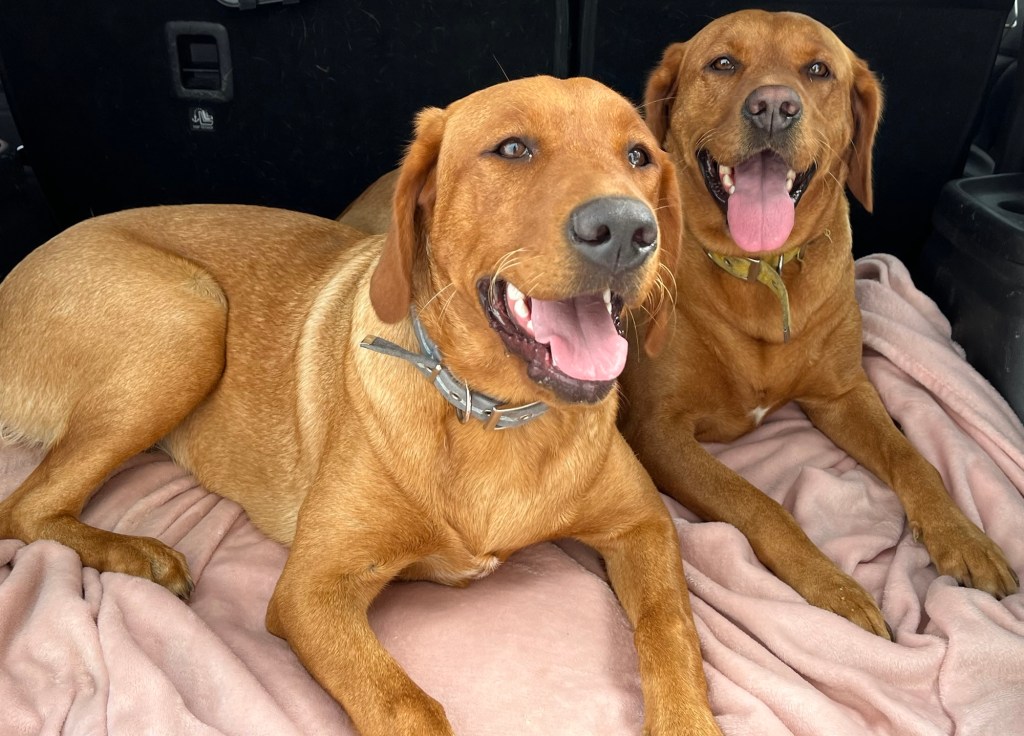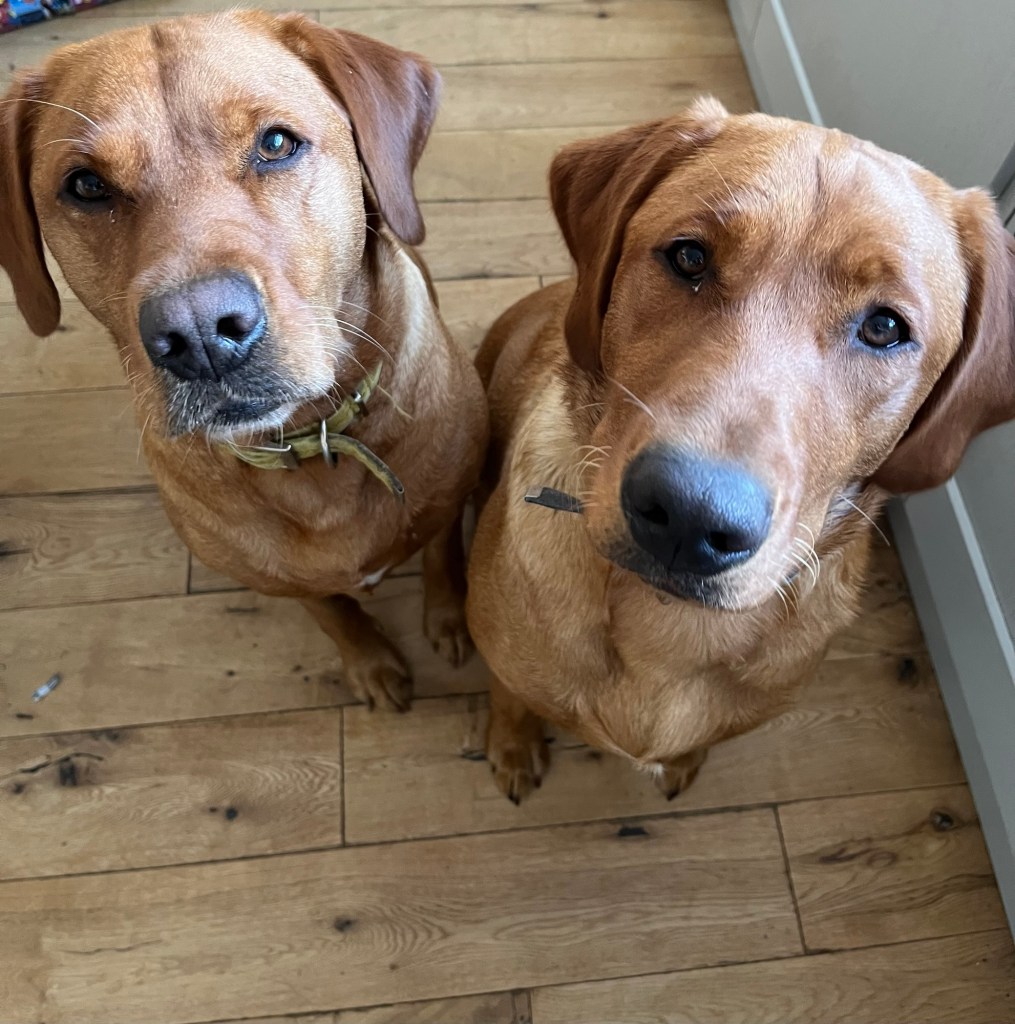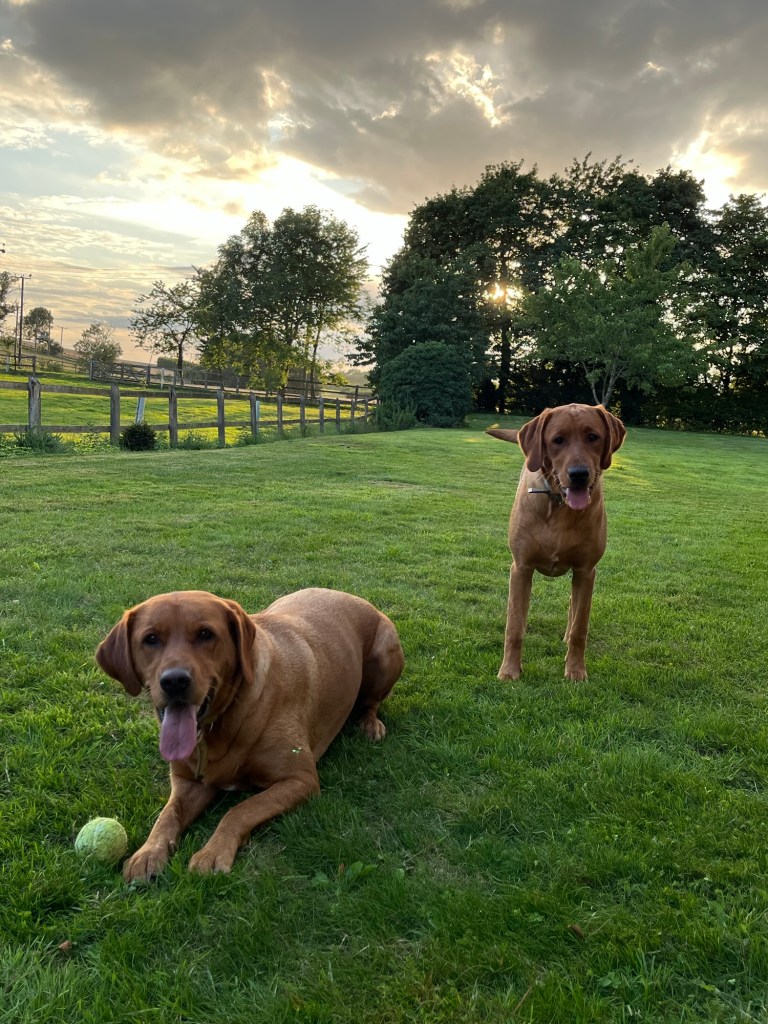
Crumble Time!

Twas November 2nd and our tummies did rumble,
When mum said: “I’ve got it! I’m making a crumble!”
So she sautéed some apples
And some blackberries of course
With a small pinch of cinnamon
In a syrupy sauce,
Then she made golden crumble
And spooned it on top,
Then into the oven
That crumble did pop
And…

We scoffed the whole lot!

  • Melt 30g butter in a saucepan together with 30g Demerara Sugar until beginning to caramelise;
  • Add 300g of sliced apples (I used a fairly tart red variety called ‘Braeburn)’ and 1 punnet (approx 120g) blackberries – add a dash of cinnamon and sautee until tender;
  • In a separate bowl add 120g plain flour and 60g caster sugar. Lightly rub 60g cold butter into the flour and sugar mixture with fingertips until the mixture resembles breadcrumbs
  • Arrange sautéed fruit in an oven proof dish and spoon crumble mixture on top – add some porridge oats if liked for extra texture and a sprinkling of Demerara sugar
  • Bake in a preheated oven for 20 mins or golden and bubbling!
  • Serve hot with cream, ice cream or custard!
  • Couldn’t be simpler!

Enjoy!

This Autumn

Beware The Gringlecrunch, My Son!

I’m currently working my way through a superb course on Picture Book writing by the brilliant Julia Donaldson.
(For a link to all the BBC Maestro Courses, click here: https://www.bbcmaestro.com/)

Photo by Lina Kivaka on Pexels.com

The course content is not only helpful, but wonderfully inspiring and at the end of every session, there is an exercise to try. The most recent was to read the classic ‘Jabberwocky’ by Lewis Carroll – writer of the Alice in Wonderland books – and use it as a basis for writing your own story or poem.

In case you haven’t read it, ‘Jabberwocky’ is a poem which intersperses plain English with totally nonsensical, made-up words resulting in a totally brilliant bit of balderdash which the reader can still understand!

If you’ve never read it, please do!: https://www.owleyes.org/text/jabberwocky/read/text-poem

Photo by Naele Souza on Pexels.com

For the sake of time, I decided to stick largely to the original text, but try to come up with my own nonsensical words in place of Carroll’s! And here is the result.

T’was flinkle, and the smurky glurg,
Did chire and chunder in the floom,
All boggy were the swampaleeze,
And the qualm fligs downrume.

‘Beware the Gringlecrunch, my son,
His knees go creak, his knuckles crack.
Beware the Howling Jowl and run
From terrifying Bladdersmack!’

He took his runsome sword in hand,
Longtime the vexious foe he sought,
So rested he by the Plickadee
And stood a while in thought.

And as in flonder thought he stood
The Gringlecrunch with breath most foul,
Came hortling through the greeping wood
Skarooming with a howl!

One two! One two! And through and through,
The runsome blade went Bammleboff!
He left it dead, and with its head
He went marading off!

‘”And hast thou slain the Gringlecrunch?
Come to my arms my lubbish lad,
Oh vumshious night, Skooreeh! Skoorite!
My heart is minsely glad.

T’was flinkle, and the smurky glurg,
Did chire and chunder in the floom,
All boggy were the swampaleeze,
And the qualm fligs downrume.

I found this exercise heaps of fun, but also challenging. Believe it or not, it’s trickier than you might think to to come up with a word that sounds vaguely recognisable, whilst at the same time being utter nonsense – especially whilst sticking to a rhyming scheme.

So in honour of National Poetry Day, (which is tomorrow by the way) why not have a go at writing your own rendition of ‘Jabberwocky?’ I’d love to hear how you get on!

Happy writing!

Quick! Quick! Write A Limerick!

In just under two weeks time, on 12th May, it’s National Limerick Day, where people post their favourite Limericks on Social Media, under the hashtag: #NationalLimerickDay!

Why May 12th? It was the birthday of the English Poet, Edward Lear, who was the king of limericks, making them popular in the early 1800’s.

A limerick? What’s a Limerick? I hear you ask. How do I write one? And why should I bother?.

And here is my answer!

It’s fun to sit down with a brew,
And come up with a limerick, or two,
It’s a juggle of thoughts,
A word-puzzle of sorts,
It’s a word-nerdy thing you can do!

Hahaha! A slightly silly response, granted. But here’s my logic: The very best way to learn how to write a Limerick is by reading them!

Definitely check out Edward Lear – https://www.britannica.com/biography/Edward-Lear – who apparently wrote 212 fine examples. You’ll soon get a feel for the rhythm and rhyme scheme.

But just to be clear, here are a few features of the Limerick:

  • Limericks are humerous, rhyming, five-line poems, with the pattern: AABBA
  • They often tell a little anecdote or story – which makes them really fun to write.

Like this:

There once was a kitty so smart,
Stealing food was his devious art,
He would pilfer your chicken,
Next your ham, he’d be nickin’
Why, he’d even come back for your tart!

Our pets seem to feature quite regularly in my limericks – but, honestly, you can write a limerick about pretty much anything.

It could be educational:

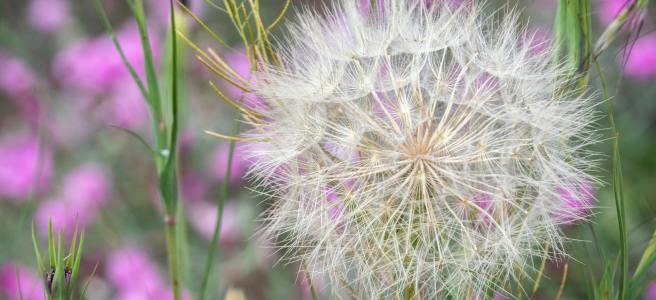
Seeds are remarkable things,
Some have spikes, some rotate, some have wings,
Dandelion is cute,
With its seed parachute 🪂
But the best one of all sorta' PINGS!

- you could even write a limerick about…writing limericks!
Writing lim'ricks is tricky, but fun,
Make sure lines five and two rhyme with one,
Add a killer last line,
(If it helps, drink some wine!)
Don't give up, you'll be glad when it's done!


So what are you waiting for? You've got just under two weeks to get scribbling!

Here are some tips to get you started!

  • Pick one subject to write about- it could be your pet, a silly situation, a favourite film or book or even about yourself;
  • Try and nail your last line early on – this is the line that ties everything together, and if done well, really gets the giggles;
  • Remember, lines one, two and five all have to rhyme – so pick a common sound for your word-ending. Be creative with it! In some instances, forced rhyme can work quite well! (See last line of the second example below)
  • If you’re stuck, try to avoid abandoning your subject idea altogether. Instead, walk away for a bit. There are more ways than one to say something. Limericks are like a puzzle. Often the answer comes when you’re busy doing something else, like walking the dog, or doing the washing up.
  • A rhyming thesaurus can be really useful for those word endings, especially if you’re missing a beat or syllable
Oh, a rhyming thesaurus is grand,
It can help when your limericks are bland,
It can give you word power
At the e-leventh hour,
With names like: Pituitary Gland

There once was a cute little kitty,
Who would sit around looking so pretty,
But this act was a lie,
He was really a spy,
No you should not believe cats one bitty.

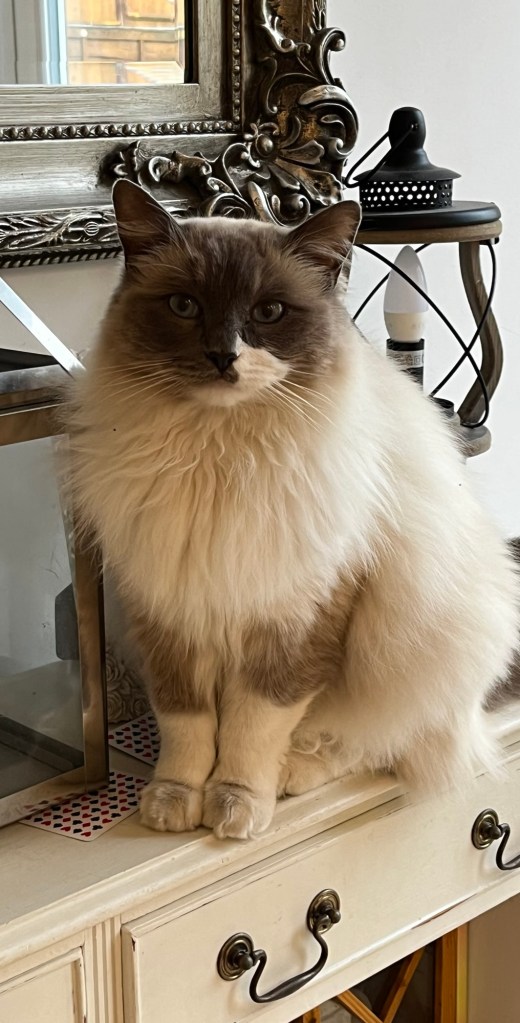
Moses, looking like butter wouldn’t melt…

I hope this post has inspired you and that you’re running for your notebook and pencil as we speak! Perhaps you’ll be brave enough to post them on #NationalLimerickDay!

Happy writing!

How-do-you…Haiku?

I love taking part in poetry events and online initiatives. One of these is #HaikuSaturday.

What’s a Haiku, you may well ask?

Well…it’s not a sneeze!

But it is a very short poem that follows these three rules:

  • A haiku consists of three lines (which don’t generally rhyme);
  • A haiku consists of (no more than) 17 syllables;
  • A haiku captures a brief, vivid moment or observation, or sudden realisation , often related to nature. The aim of a haiku is to say something big, profound, powerful or evocative, using only a few words.

If you’re new to writing Haiku – try starting with the 5-7-5 sequence:

  • 5 syllables in line one
  • 7 syllables in line two
  • 5 syllables in line three

Like this:

God is a painter,
The skies are His canvasses,
Glory on display!

The whole poem should be about ONE thing. One moment. One observation. One striking thought or idea.

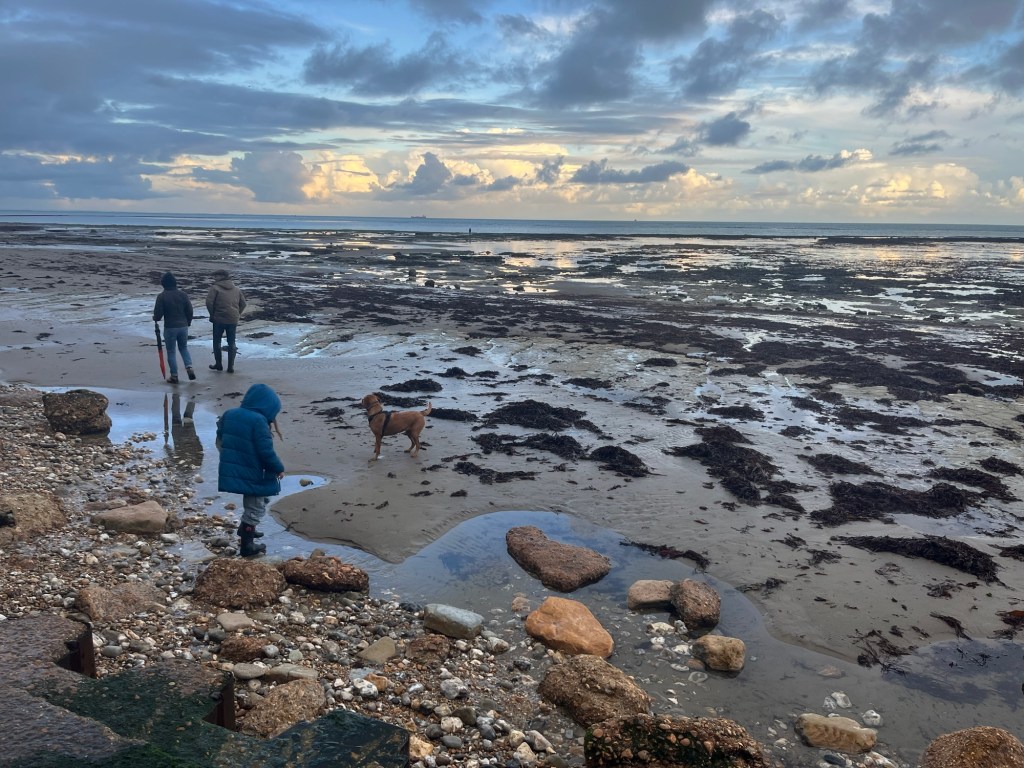
After the deluge,
Rock pools flooded with bounty,
Treasures in the storm

Now it’s Your Turn!

Here’s three reasons why you should try writing a Haiku today:

  • Haiku are a great way of celebrating those wonderful fleeting moments in nature, encouraging you to really stop, look and listen! I love the saying: – “you should spend one hour every day in nature. Except if you’re busy. Then you should spend two.”
  • Fed up with the Crossword? Haiku are a great way to exercise your brain, hone your word-skill and practice getting your thoughts on paper – and there’s no right or wrong way to write a haiku;
  • You know all those photos that are just hanging around on your phone? Why not use them as inspiration for a Haiku? And if you’re a writer or blogger, you’ll even have something fresh to post!

And most of all, Haiku are a great way to experiment with phrases, forget about trying to rhyme and just have fun with words! (see, that’s four reasons! Now go on – grab your note-book and pen!)


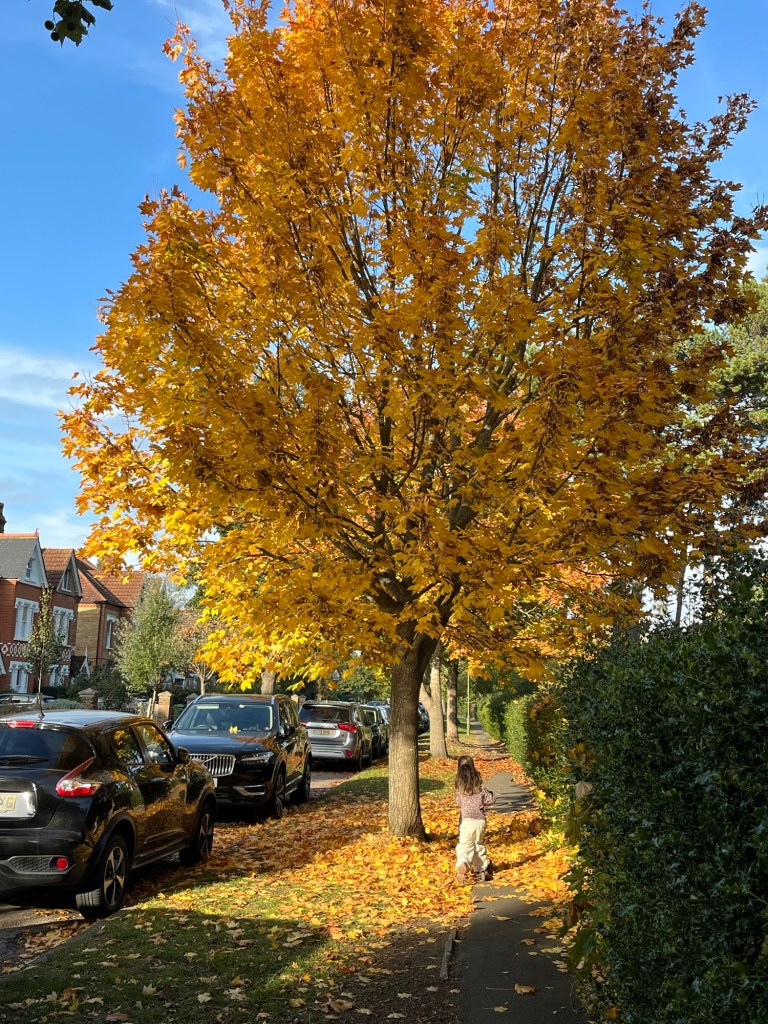
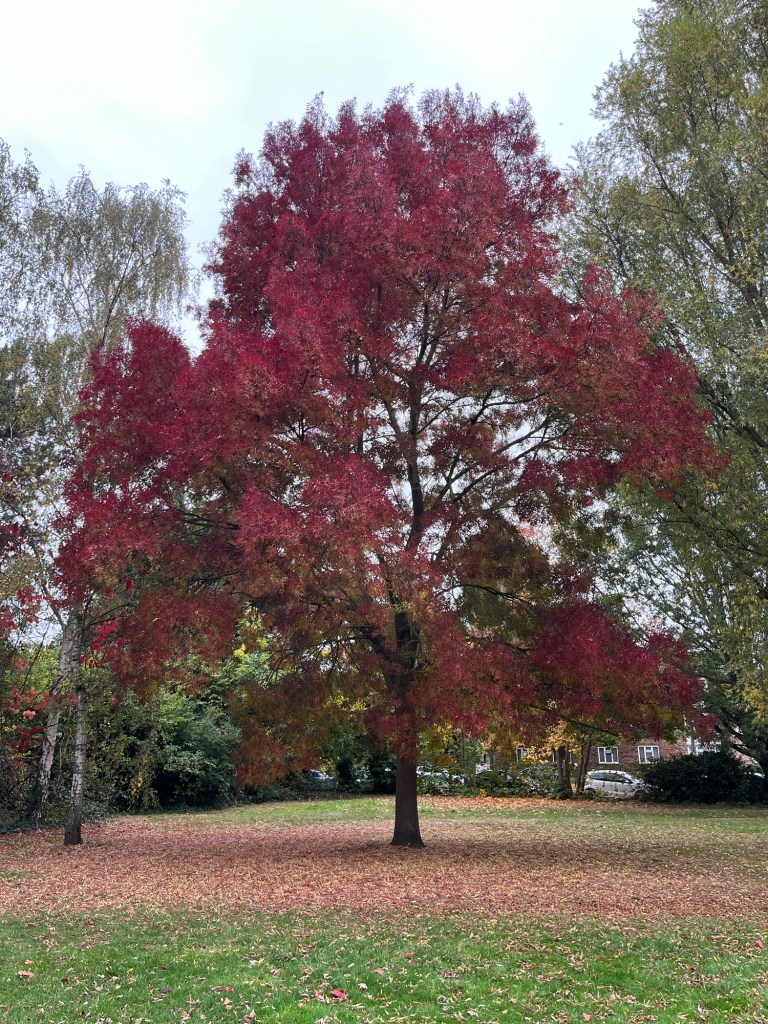
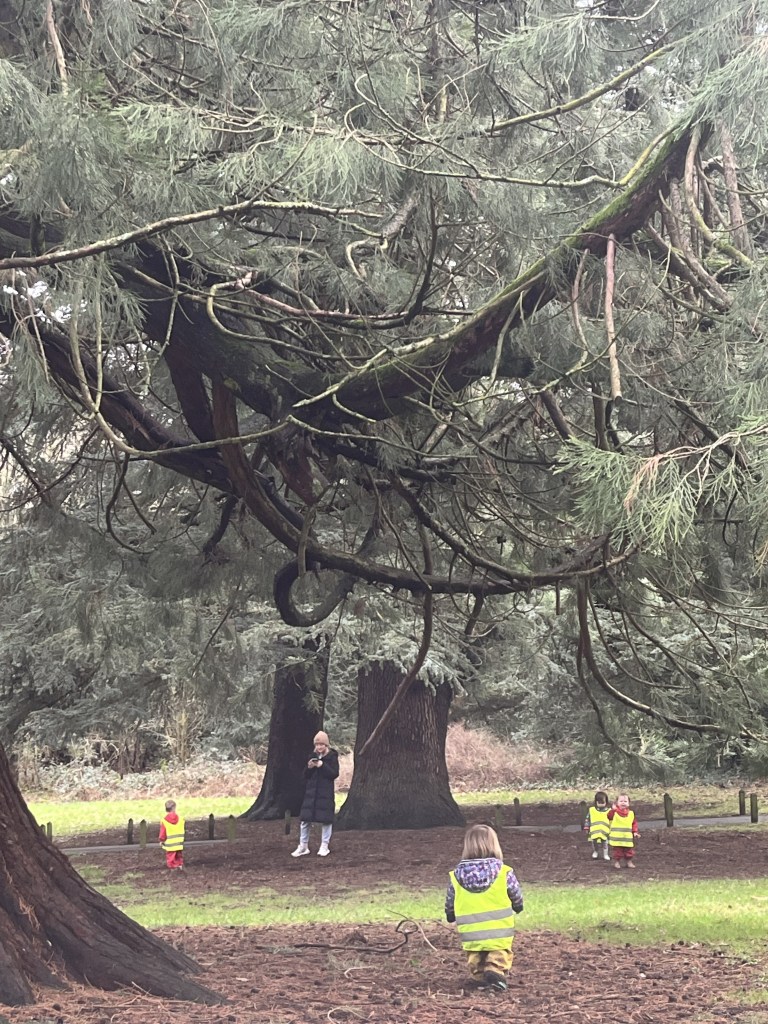
Magnificent tree,
How many winters have you
Stood against the wind?

If you’re new to writing poetry, why not jump on board today? You could even post your Haiku in the comments section below ! I’d love to read them!

Happy writing!

Tiny Travelers

In celebration of National Poetry Day, 220 new poems have been uploaded onto https://www.dirigibleballoon.org – a fantastic bank of poetry for kids!

Such a pleasure to have one of mine included! (https://dirigibleballoon.org/poem/Tiny-Travelers)

It’s all about seeds, and the fascinating ways they get around!

Woodland Walk

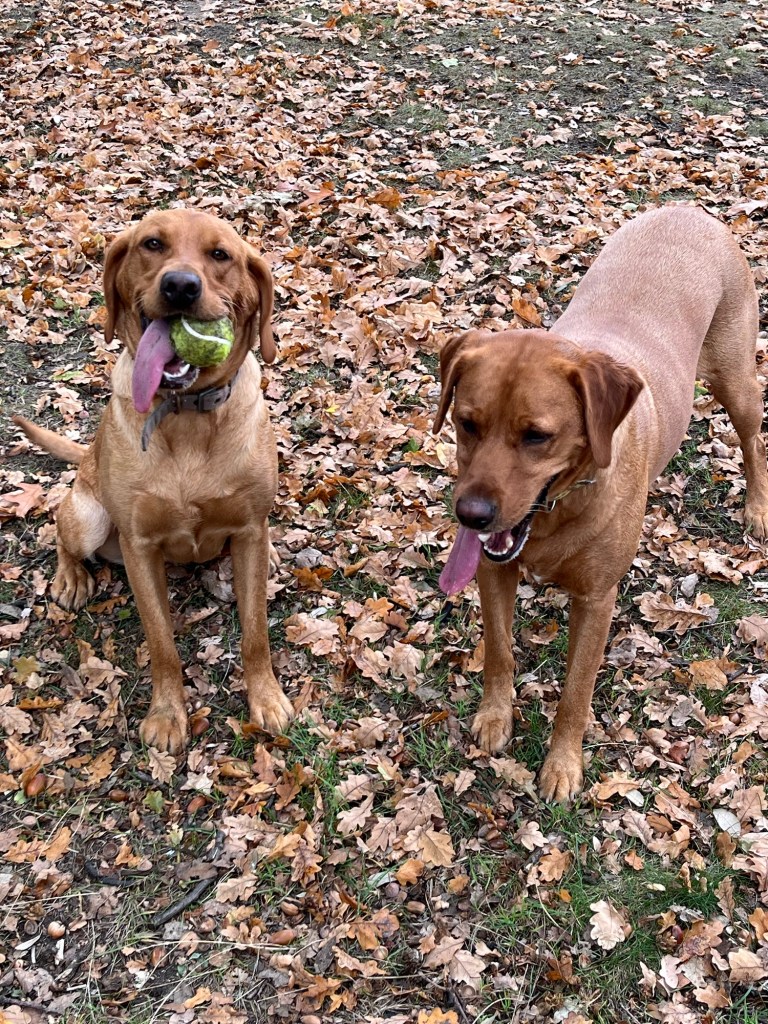
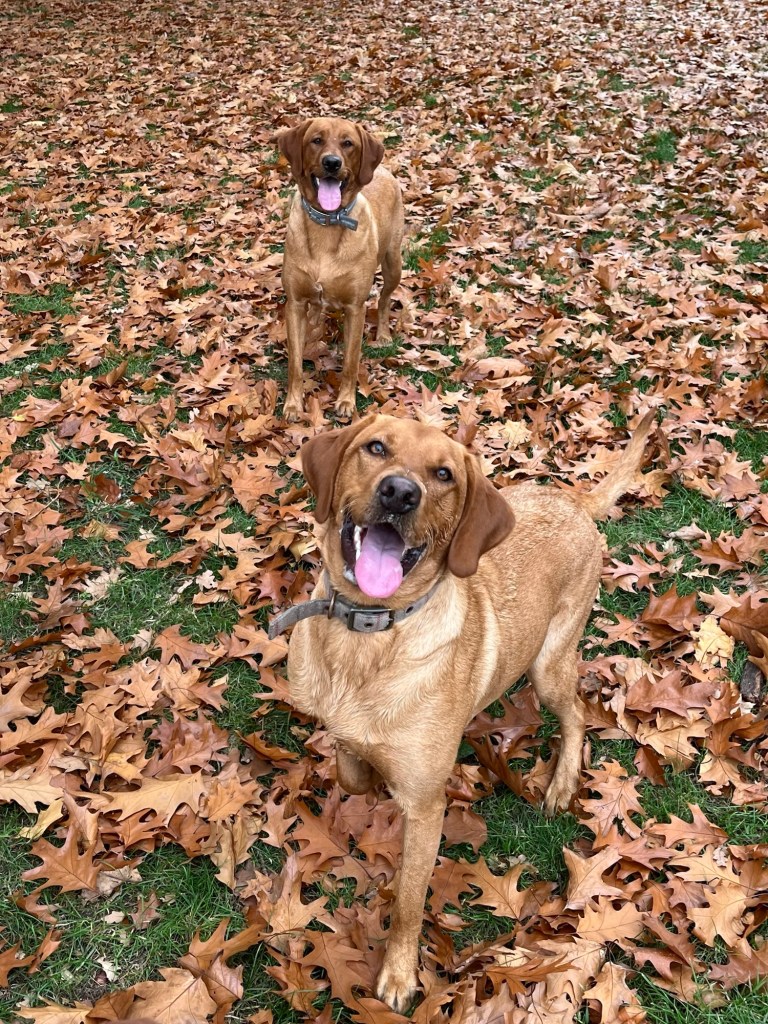
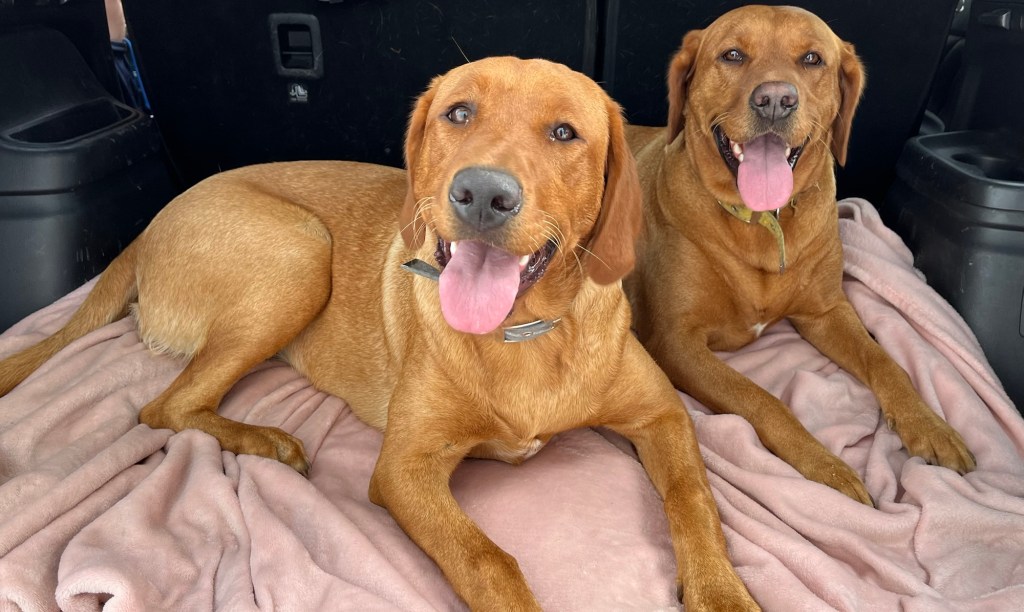
Being a dog owner, sometimes means dragging yourself out on a Saturday, when you’re feeling a tad lazy. Amber, our Labrador, NEVER feels like this. Even the mere mention of the ‘W-A-L-K’ word sends her whizzing around the kitchen like a spinning-top. It’s such a blessing to have an enthusiastic dog to drag me out of that front door, reminding me to lay aside my busy-ness for a fraction of the day – and just be! It can be hard to get going at times. There are often a-hundred-and-one things I feel I ought to be doing instead, but I never ever regret it! And sometimes it even leads to little poems – like this one.

A Note To Spring


Dear Weather Depot
I’m writing to say,
It seems you’ve forgotten,
It's just two weeks 'til May.
I’m not one for complaining,
But I’m wondering why
All this rain keeps on raining,
And grey clouds fill the sky?
I’m still wearing a hat,
And my gloves and my coat,
This is not satisfactory,
(Hence my slightly brusque note!)
Did Spring lose its zing?
Has it really begun?
Is it lost in the post?
Has its spring-thing not sprung?
And I do beg your pardon,
But I haven’t yet sat,
On the bench in my garden,
(I’ve looked forward to that)
So please could you check,
In your weather-book thingy,
And please make this spring
Just a little more ‘springy!’

In The Footsteps of Wordsworth

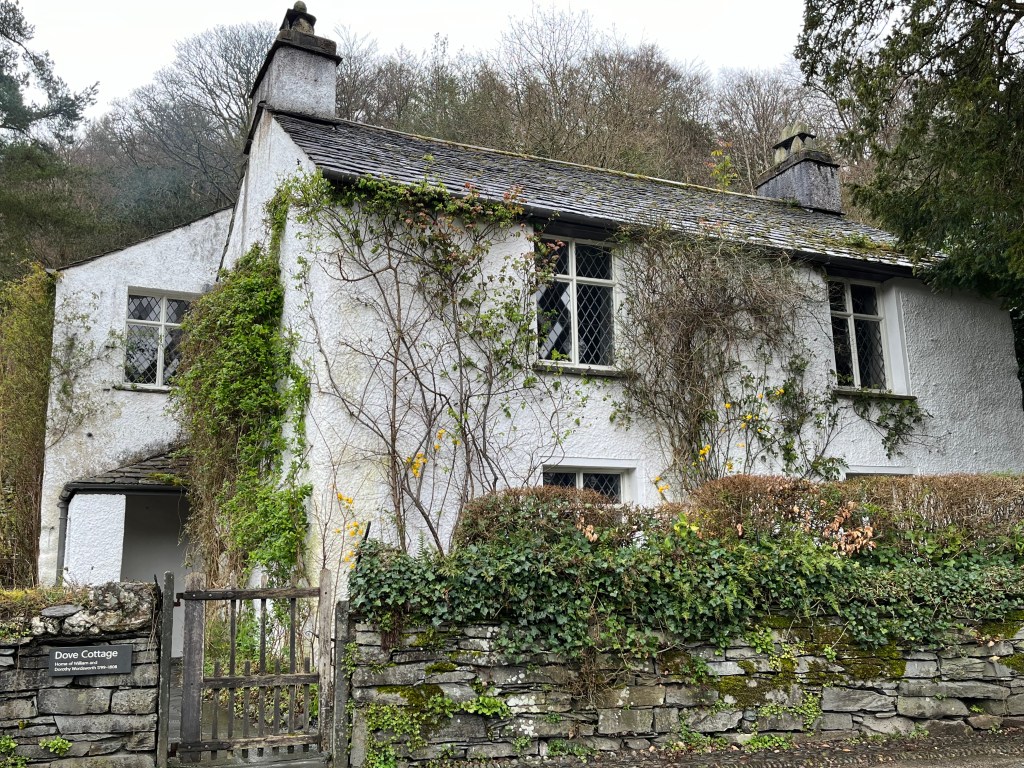
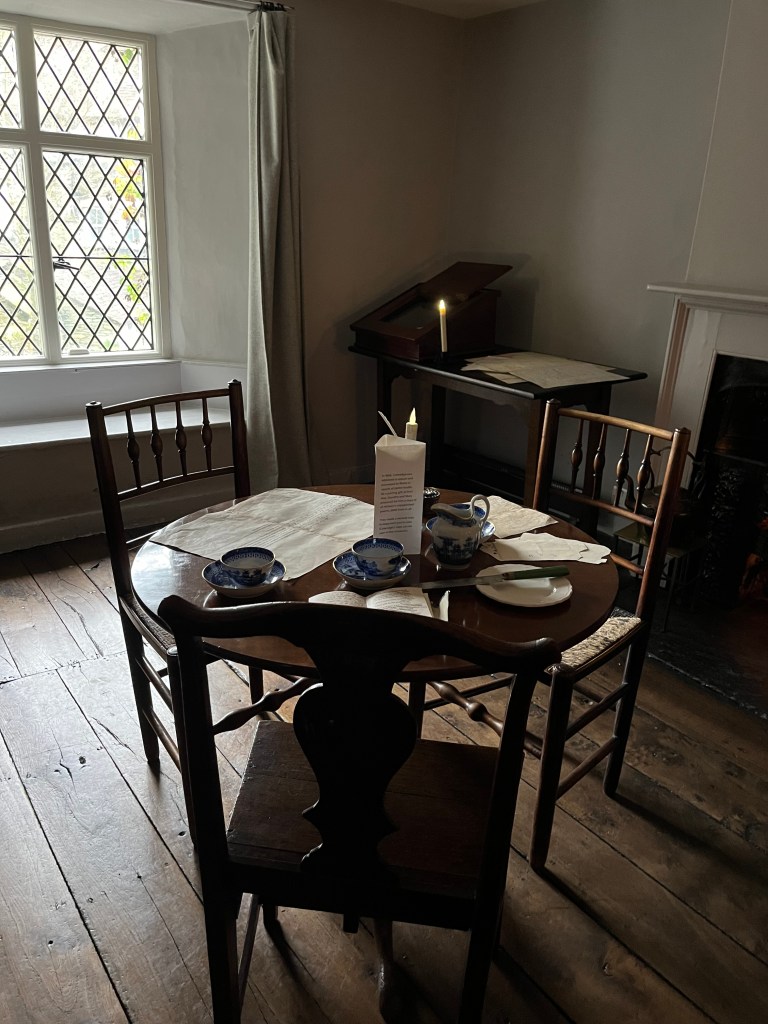
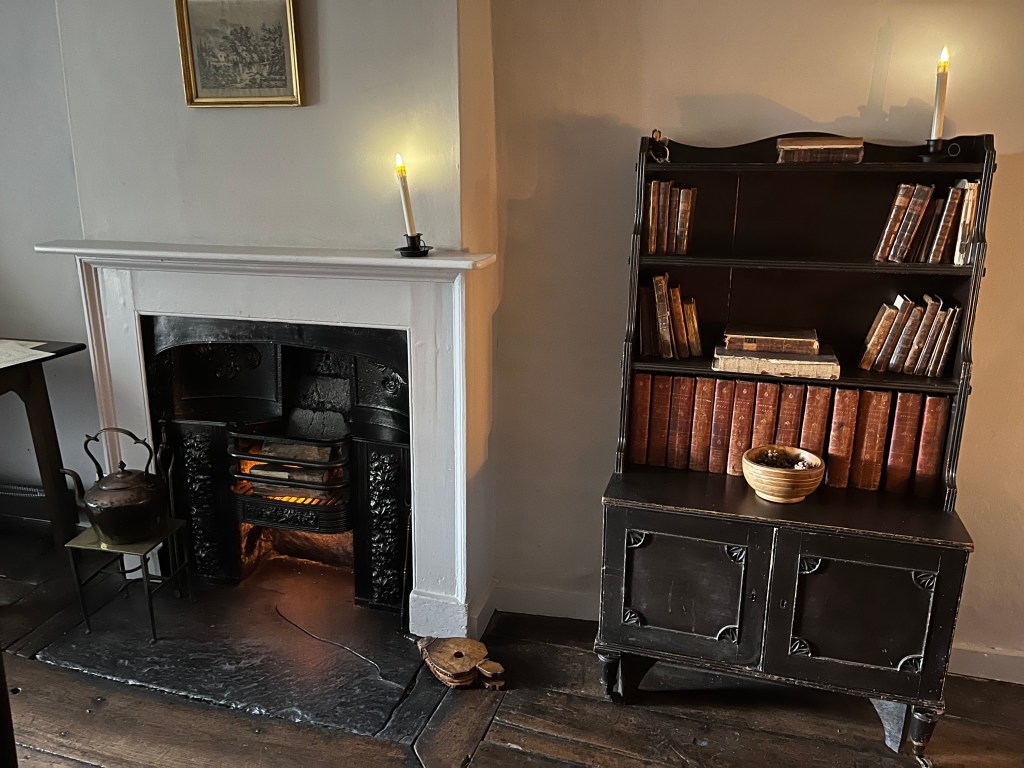
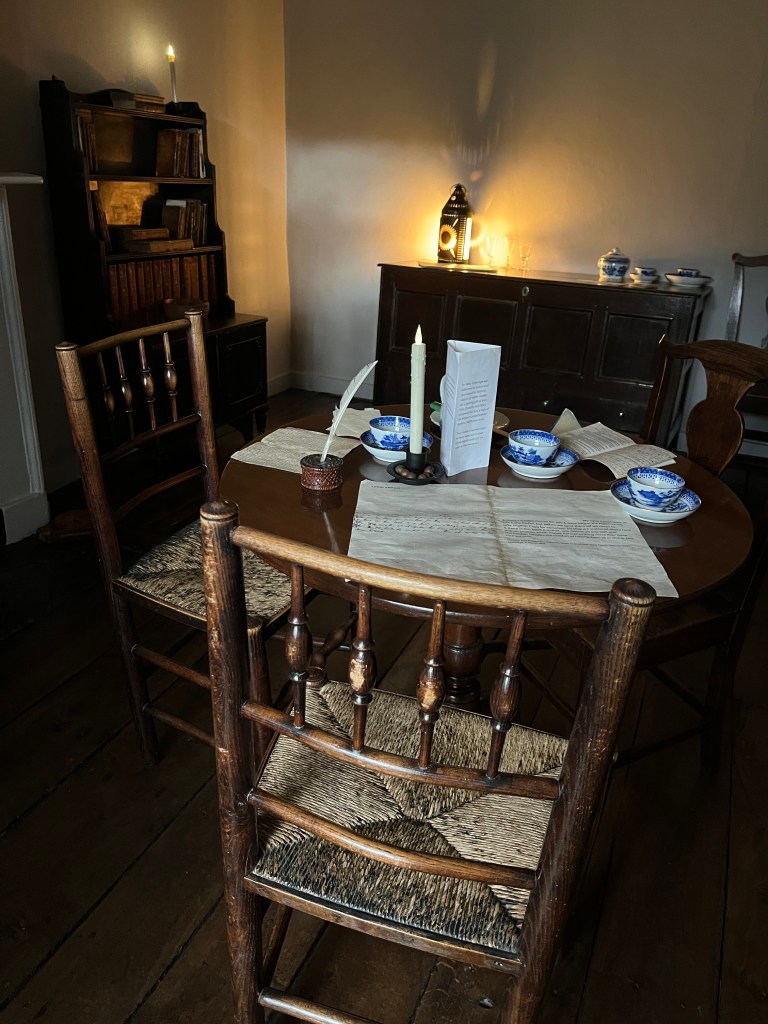
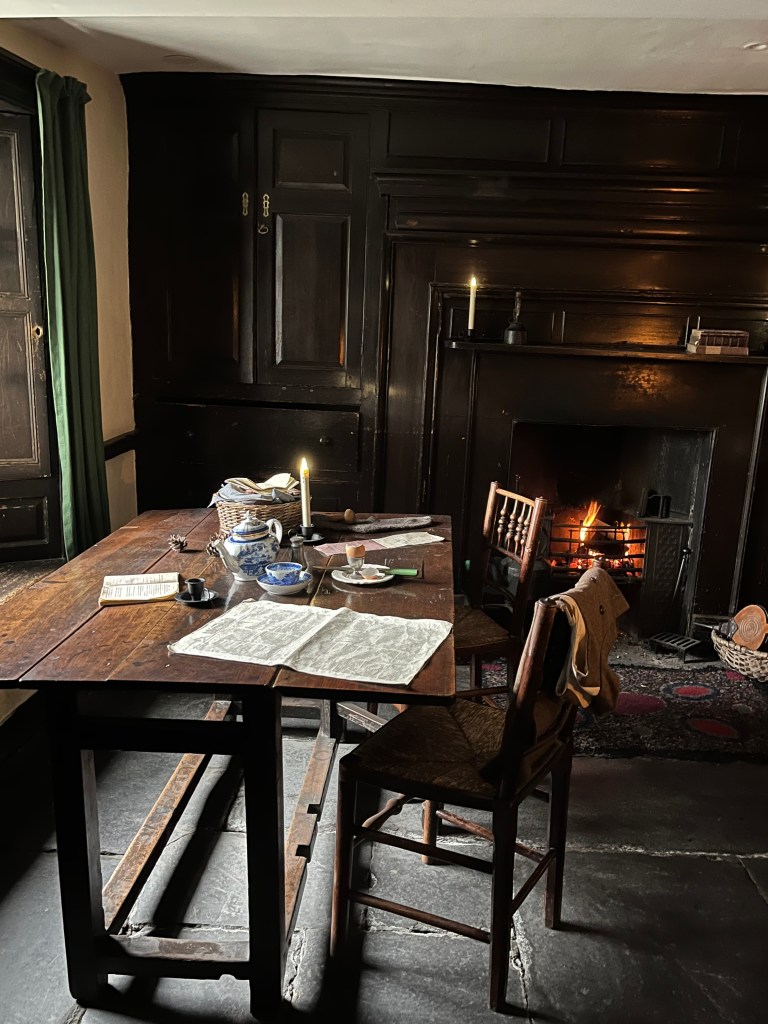
A few days ago, my family and I visited Dove Cottage, the home of William Wordsworth, one of England’s best-loved Romantic Poets.

Dove Cottage, Grasmere.

Wordsworth and his sister Dorothy, moved into the cottage, situated just outside the lovely village of Grasmere when he was 29 years old. This was a dream fulfilled for the poet, after losing both of his parents by the age of 13, and being separated from his beloved sister during a period of his youth. At last, he and Dorothy were home again.

Plain Living & High Thinking

The Wordsworth’s lived a relatively simple life, cultivated a garden and drank in the detail of the flower and fauna all around them. Their motto was ‘plain living and high thinking.’

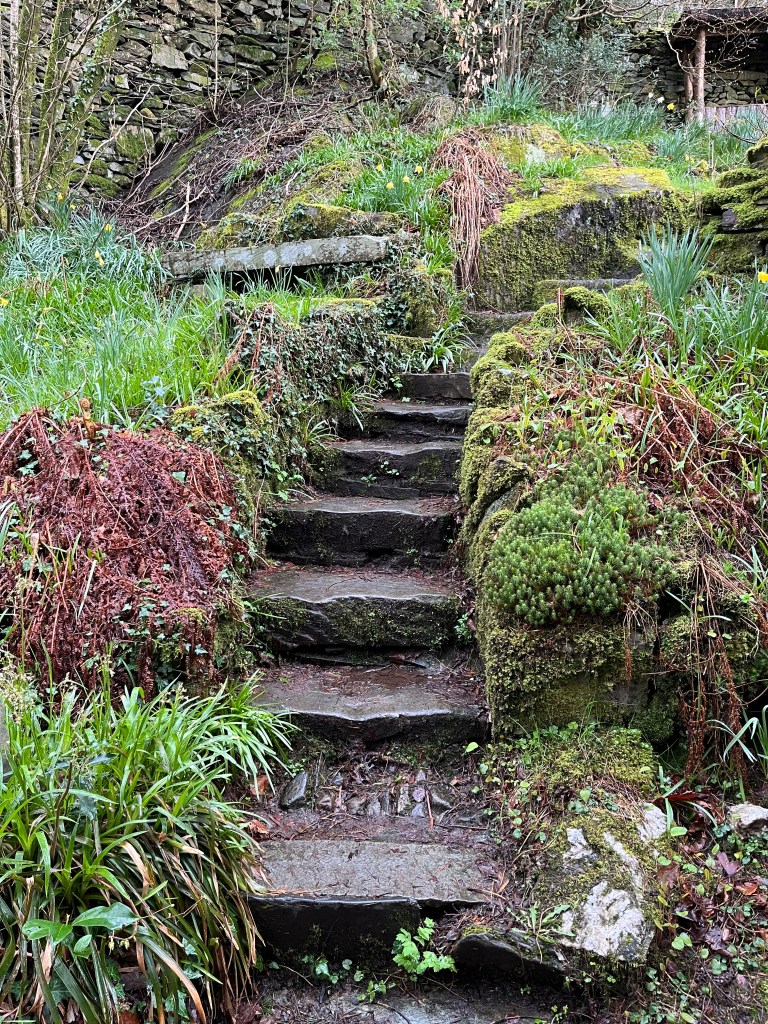
The Hillside Garden behind the Cottage

William and Dorothy immersed themselves in the beauty of their surroundings and William devoted his time and energy to writing poems, many of which capture vivid descriptions of childhood moments or the natural beauty he observed around him.

Come forth into the light of things, let nature be your teacher

W.W

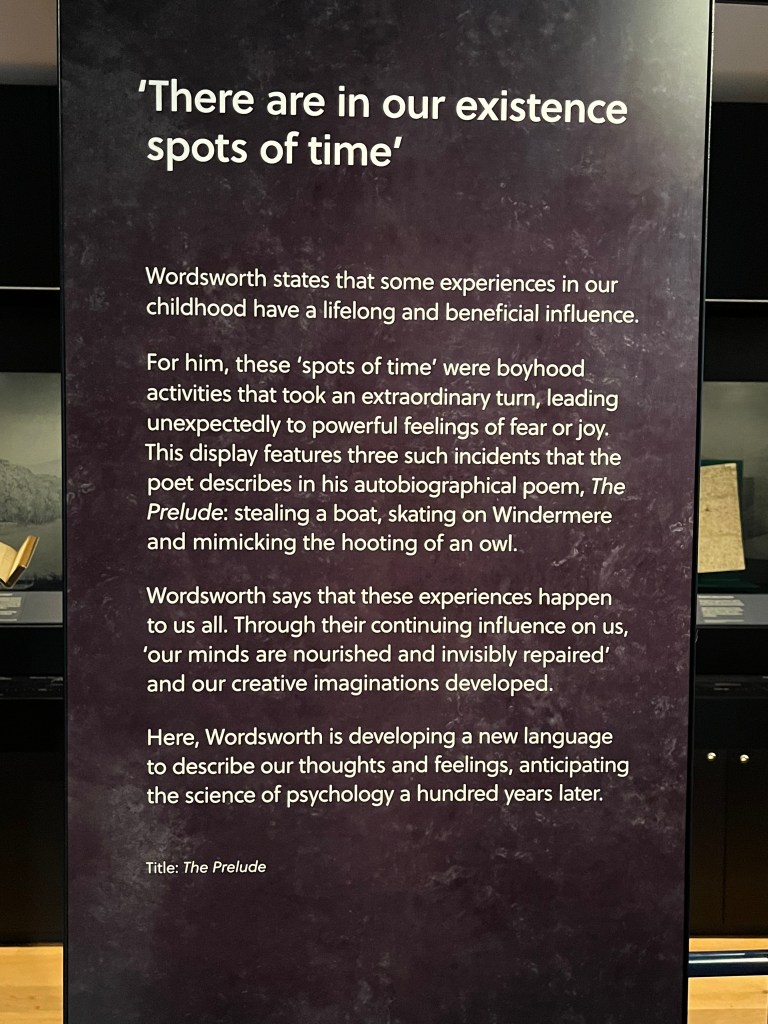
Spots of Time

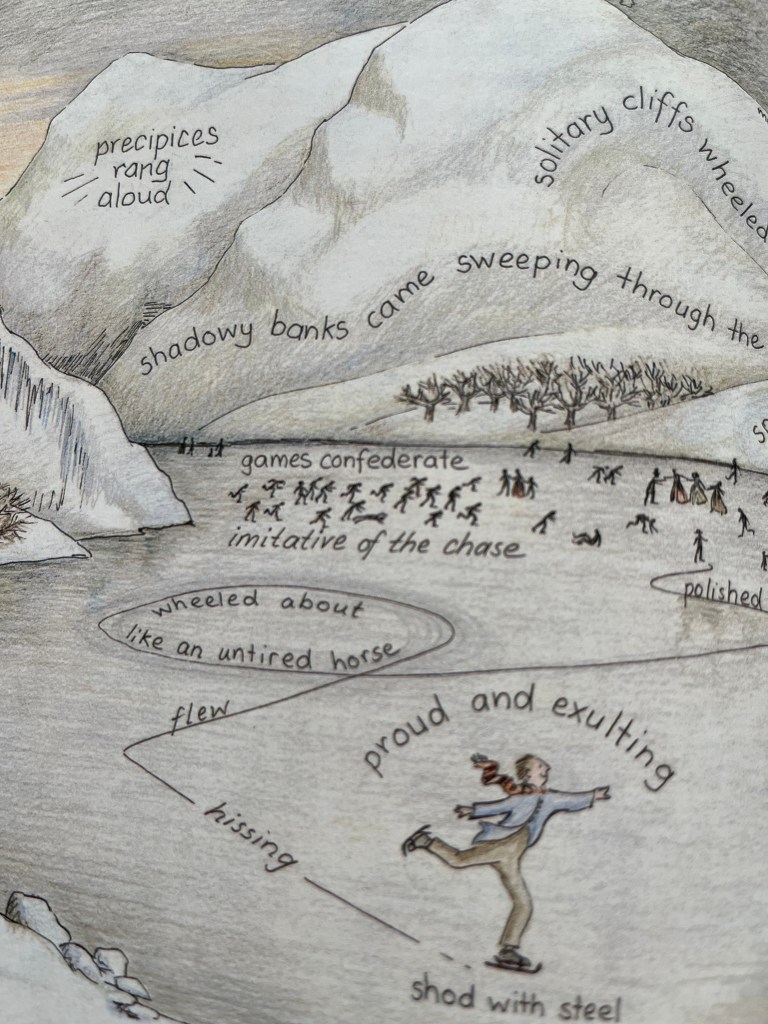
Ice-Skating!

One of our favourite discoveries at the museum was a poem about an exhilarating childhood memory of William’s, where a few days before Christmas, he went ice-skating on Esthwaite Water, near the village of Hawkshead, where he went to school.

Inspired by Nature

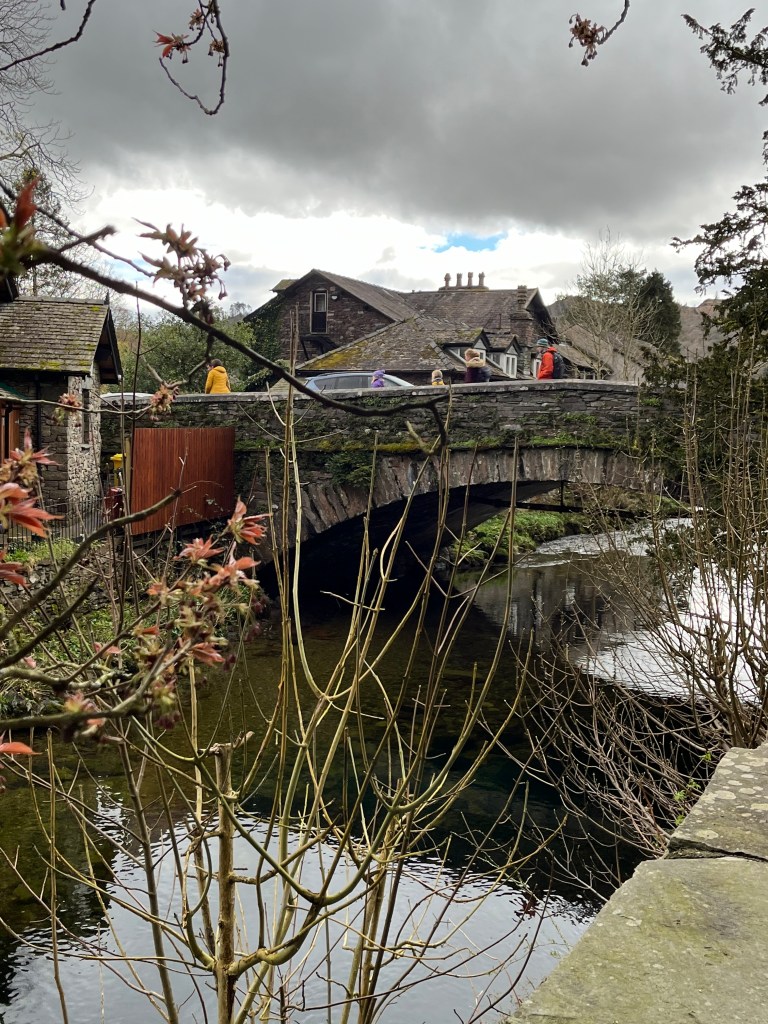
Grasmere sits in the midst of the Lake District National Park, Cumbria, an area rich in rugged fells, deep valleys, shimmering lakes, bubbling rivers running under stone bridges, a wild coast-line and an abundance of breathtaking scenery.

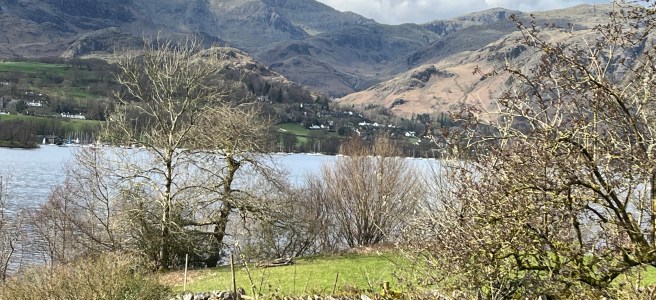
Many of William’s poems are about specific places, sights and experiences in around the Lake District, including ‘Storm on Coniston Water’, which is photographed below, and ‘A Summer Day at Windermere’, (second photo below).

The incredibly serene Lake Coniston

Lake Windermere – England’s largest freshwater Lake, is over 10.5 miles long.

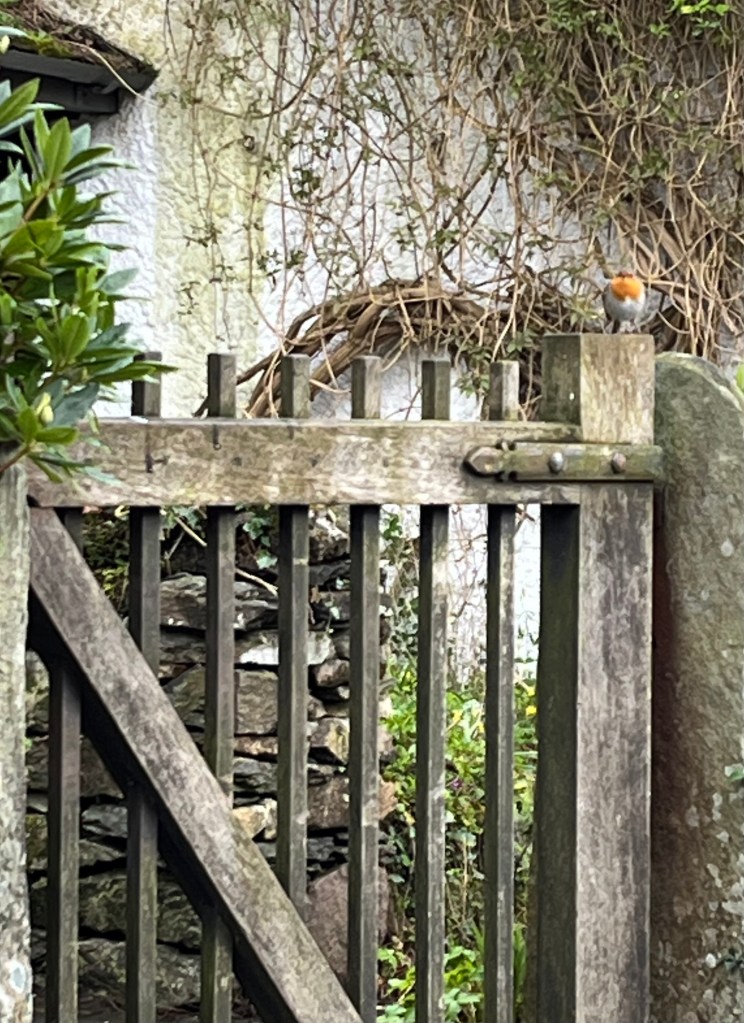
It seemed somehow apt that we should spot a robin, lingering on the gate-post of the Wordsworth Cottage

Dorothy’s Journals

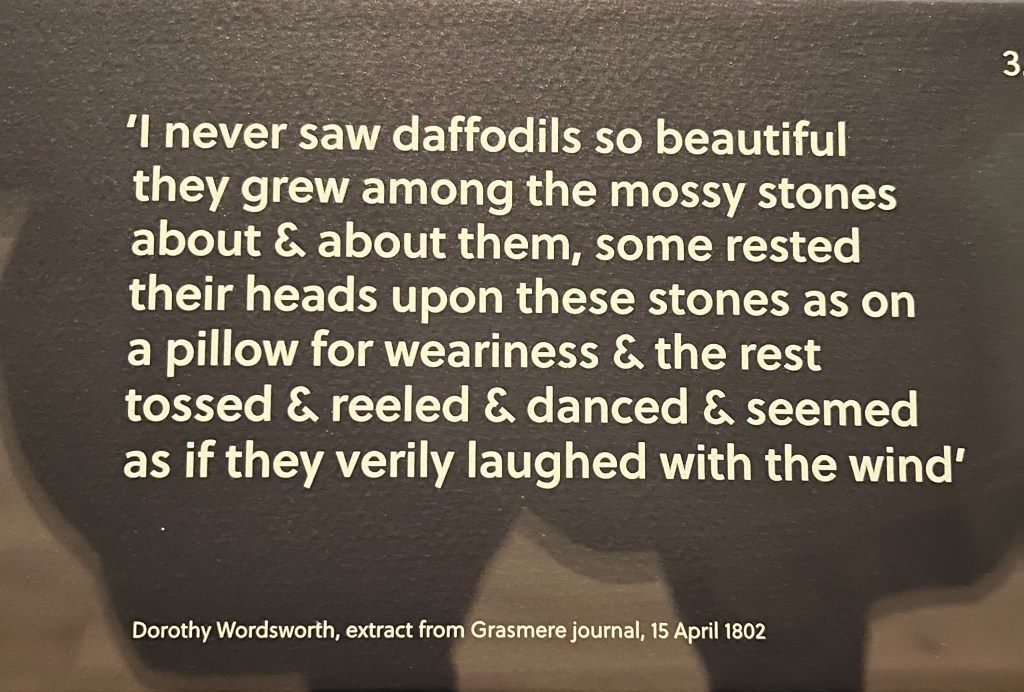
Dorothy, like her brother, had a deep love of nature and kept a journal which documents the happy time they spent at Dove Cottage. Many of her diary entries connect with poems written by her brother, such as this extract about a swathe of wild daffodils.

It’s easy to get a sense when walking around the cottage, the garden and the village of Grasmere of the way William and Dorothy would have walked and talked together, marveling over the beauty all around them, and eagerly comparing notes on their observations,

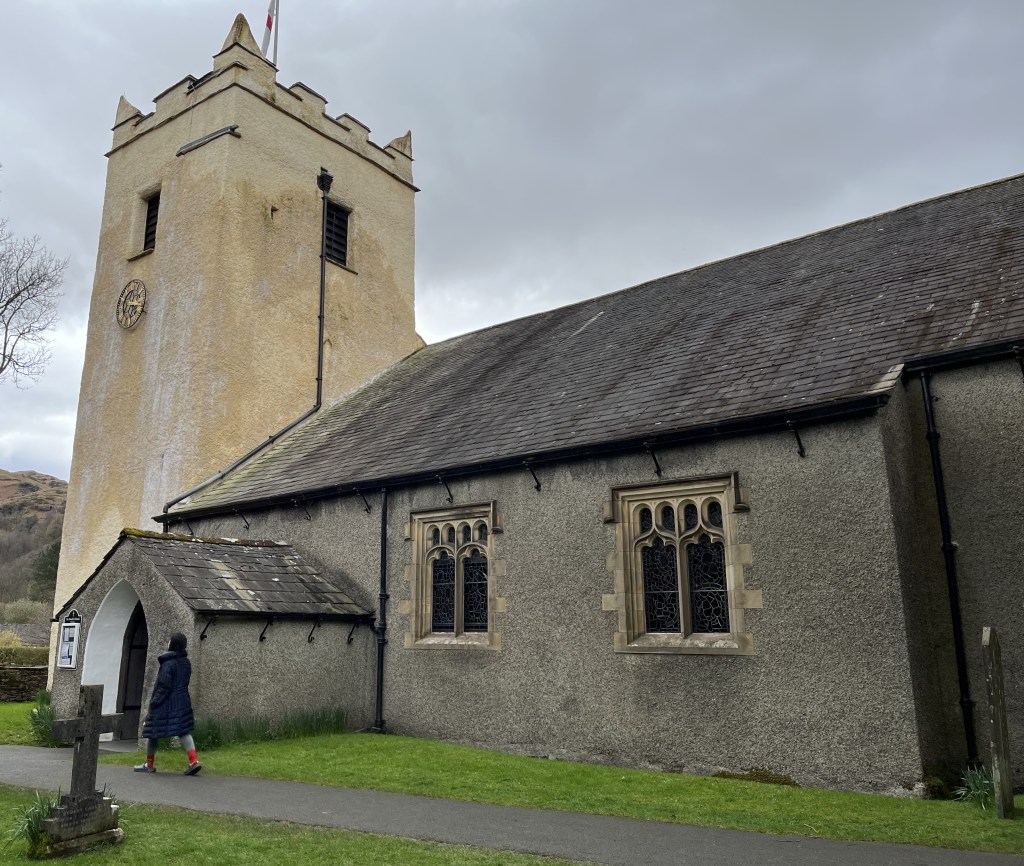
It was delightful to walk into Grasmere and know that William and Dorothy had trodden those very streets, gazed at the same ancient hills, and attended the old church, where we discovered their humble gravestones a short walk away! It was an incredibly moving and inspiring experience!

St Oswald’s Church, in Grasmere.
The graves of William, his wife Mary & sister Dorothy, discovered in the churchyard

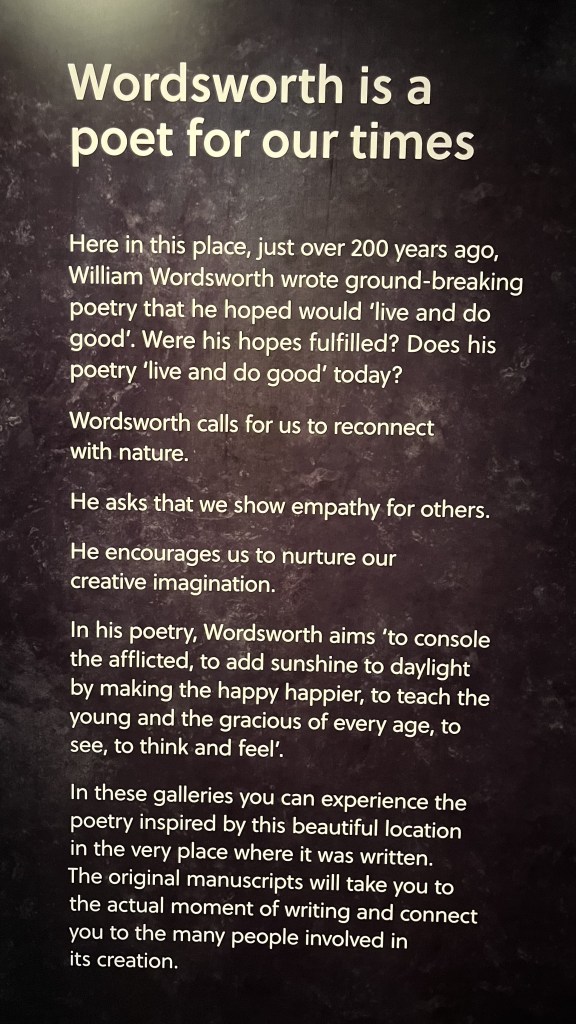
To Live and Do Good

It was wonderful also to note Wordsworth’s desire to write words that ‘live and do good’ – and to feel that connection with his ideals as a writer. I came away hugely moved to think that a poet who lived and wrote over 200 years ago carried the same lasting values in his heart as I do, and longed to use his words to spread joy, consolation and goodness to those around him.

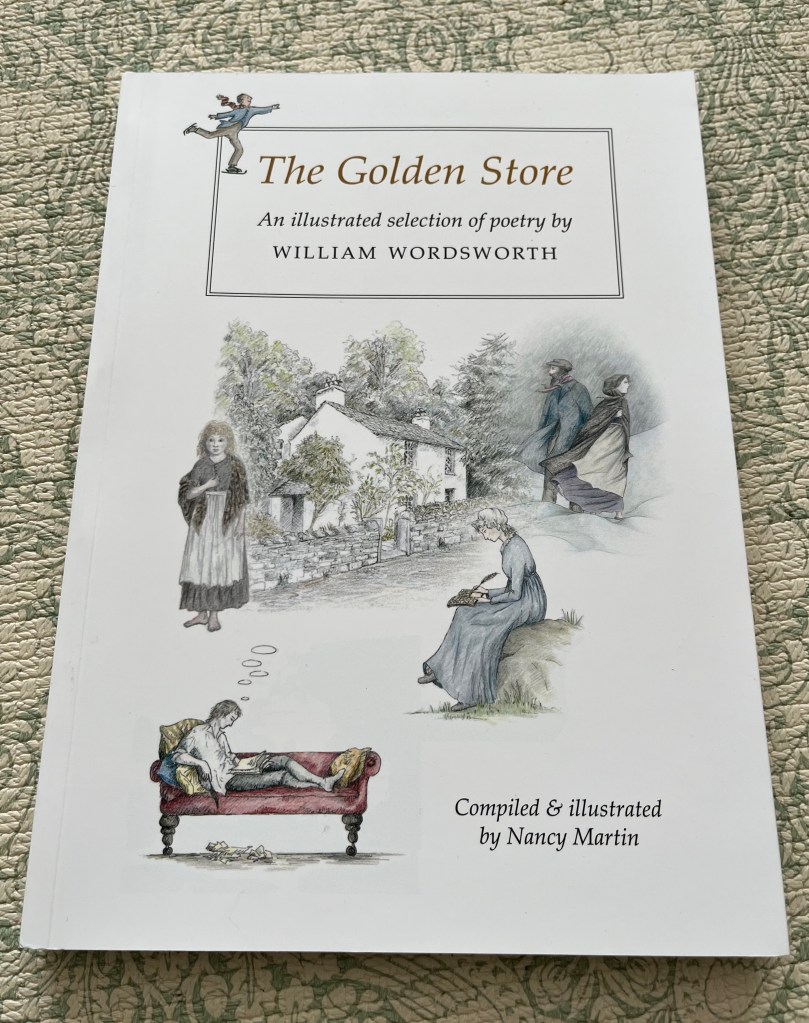
If you are interested in reading more of William Wordsworth’s wonderful poetry and finding out more about the spectacular Lake District, I wholeheartedly recommend purchasing a copy of this beautiful illustrated collection, entitled: “The Golden Store.’ which I purchased at the Museum’s bookshop. It is a keepsake that I will always treasure, and enjoy dipping into again and again.

I hope you enjoyed this post!