Well, how blooming marvellous it was to wake up this morning and discover that “Mrs Tipton’s Tulips” had received an Honourable Mention in this fantastic Kids Lit competition.
#50preciouswords, created by children’s writer, Vivian Kirkfield, is an annual competition which requires each entrant to tell a complete story, with a beginning, middle and end in 50 words or under. Harder than it sounds, believe me!
This contest reminds the writer (especially Picture Book writers) that every word should matter! With a target of 50 or less, you have to consider your words very carefully and not waste a single one! What a great way to practice being succinct!
Anyway, hope you enjoy my little story about a mistake that led to a whole community coming together, inspired by my love of Tulips!
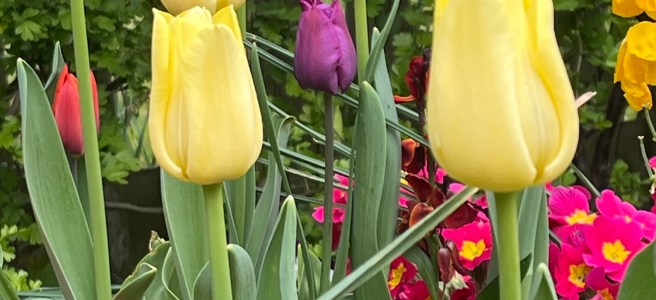
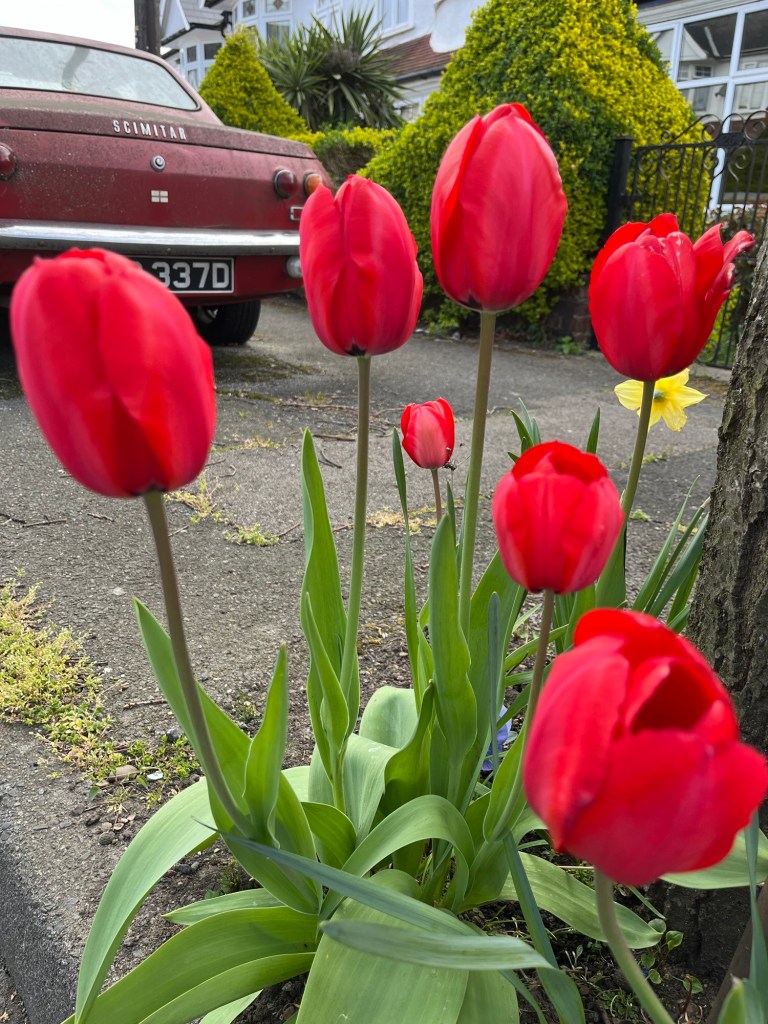
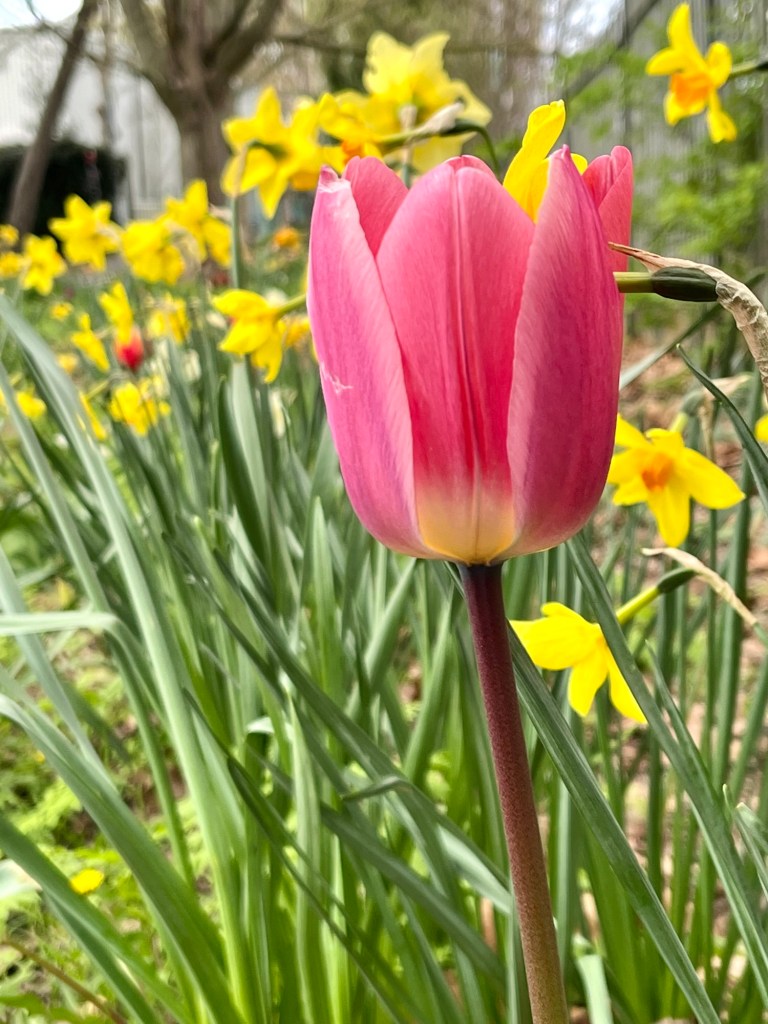
Mrs Tipton’s Tulips
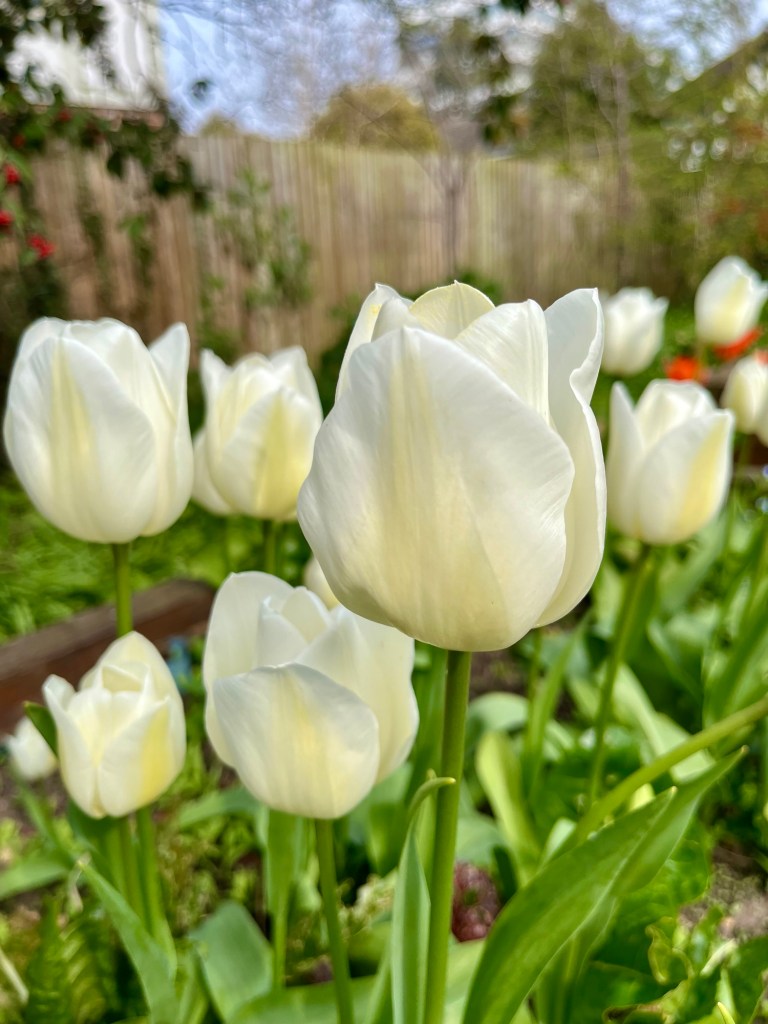
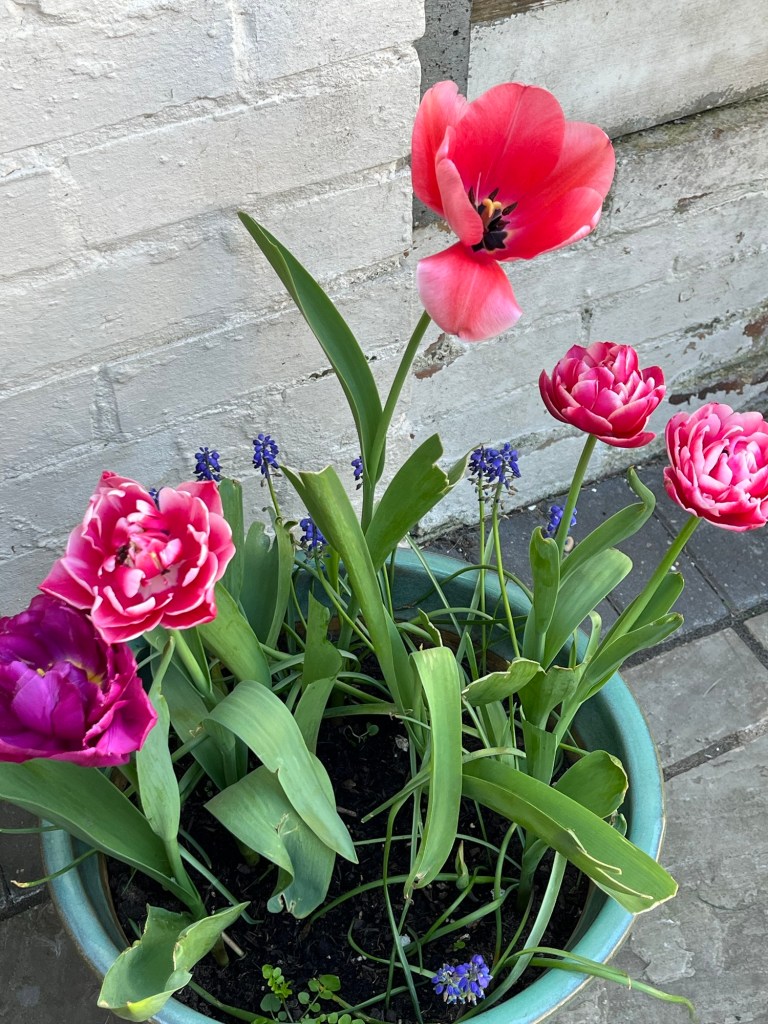
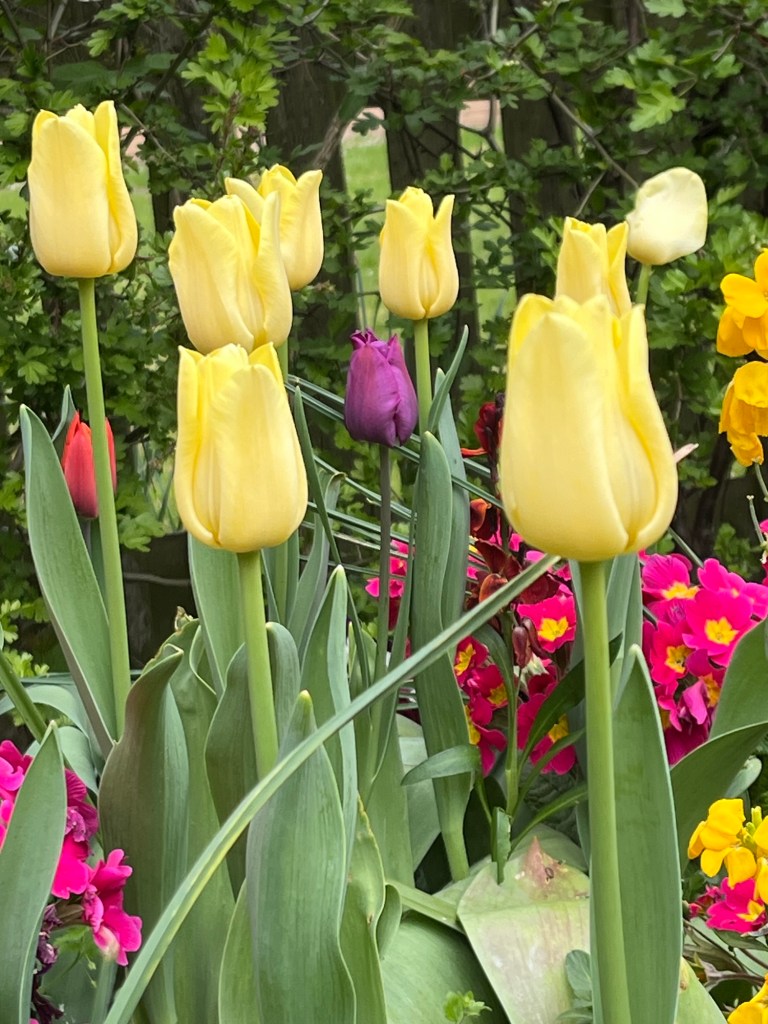
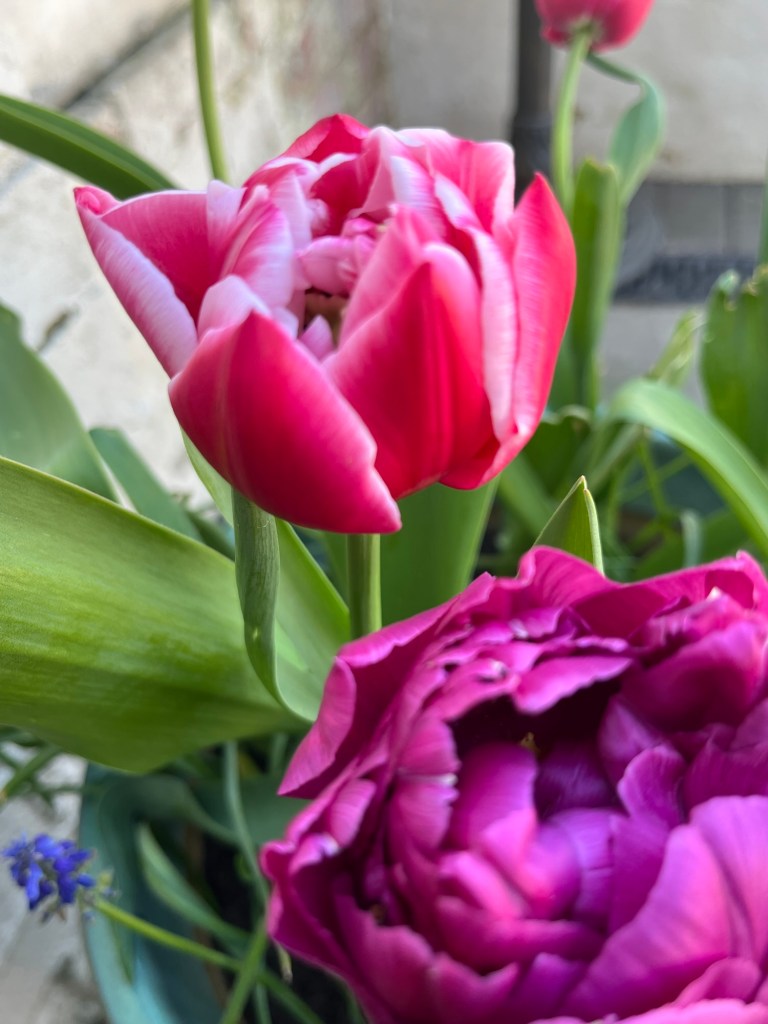
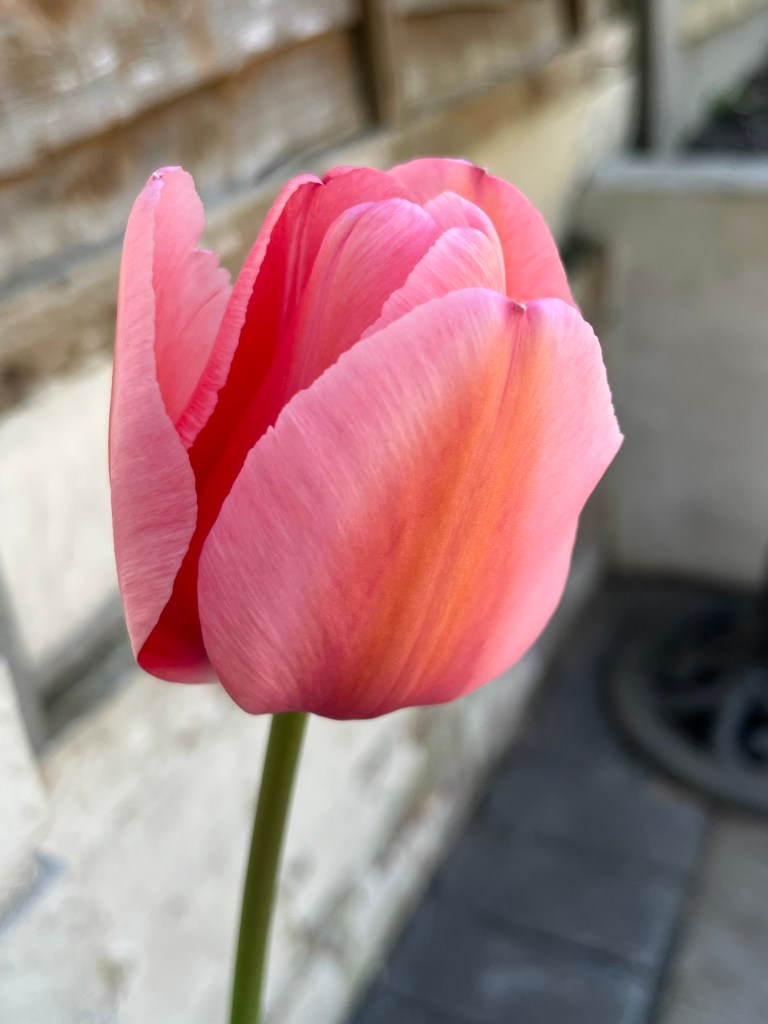
“Thirty-three boxes of tulip bulbs?” says Mrs Tipton, “I only ordered three!
There once was a lad who did dare,
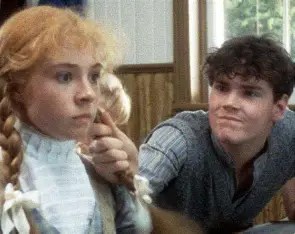
Tease a red-head regarding her hair,
How that lass got irate,
On his head, smashed her slate,
Then she dyed her hair green in despair.
Here’s a tribute to one of my favourite set of books (and films) growing up.
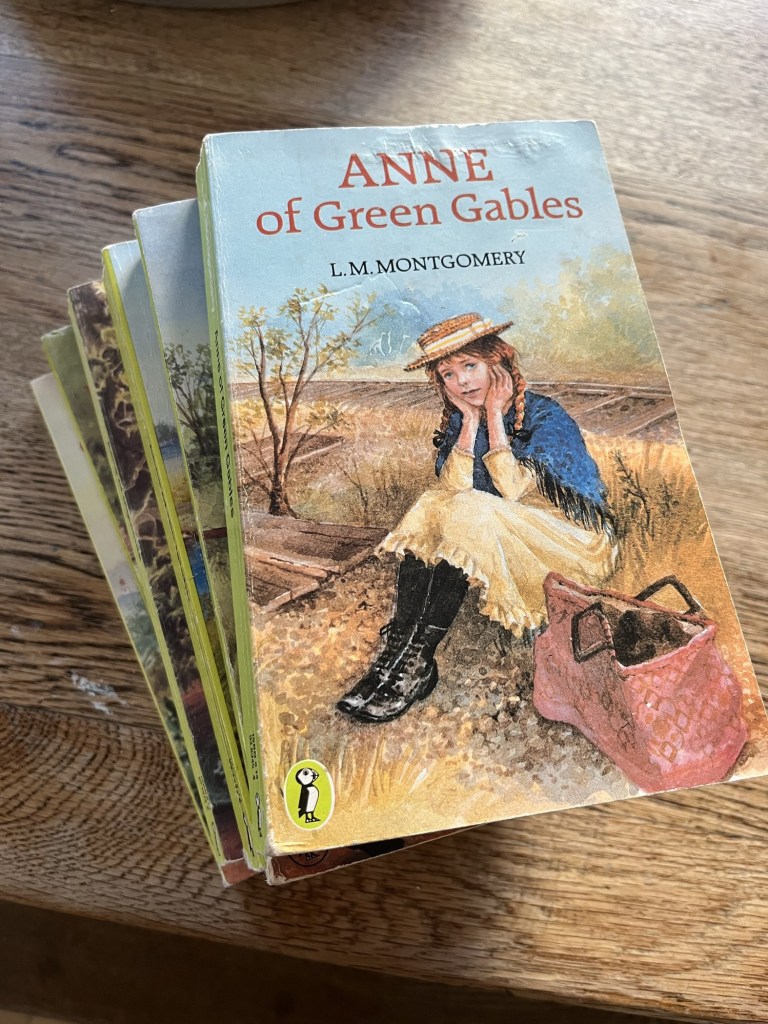
The Anne of Green Gables series, by Lucy Maud Montgomery, follows the childhood adventures of an extremely imaginative and chatty orphan girl, named Anne Shirley (that’s Anne spelt with an ‘e’ of course!) who comes to live – by way of a mistake – with straight-laced elderly siblings Matthew and Marilla Cuthbert.
I can’t help flying up on the wings of anticipation. It’s as glorious as soaring through a sunset. Almost pays for the thud!”
Interestingly, I watched the 1985 film adaptation, produced by Kevin Sullivan, before reading the books! And I’m pleased to say, this didn’t ruin the stories for me, but only made me want to read them even more!
I was absolutely spell-bound by the characters, the cinematography and the film-score, and got very quickly swept up into the wonderful world of Anne, her ‘bosom friend’ Diana Barry, Gilbert Blythe, and all the other characters from Avonlea.
As a fellow red-head, I too had been called Carrots a time or two! (And ‘Gingernut’ and ‘Duracell’). So I instantly empathised with Anne, and felt like something of a kindred spirit.. I also shared her love for reading, writing, poetry and flowers – and having a somewhat fanciful imagination!. Fortunately, though, I happened to be a lot less hot-headed! I’m not sure I would have had the guts to walk the ridge-pole of a roof if Josie Pie had ever dared me. And I’m pretty sure I would have forgiven the handsome Gilbert Blythe in a heart-beat if he’d called me Carrots.
I will never forgive Gilbert Blythe, Diana. The iron has entered my soul…
After watching the films, I raced out and bought the first few books, eager to find out more about the mishaps and antics of Anne, who was constantly ‘getting into scrapes,.’ a few of my favourites being:
Accidentally setting Diana drunk because she mistook Rachel Lynde’s redcurrant wine for Raspberry Cordial;
Getting rescued by Gilbert Blythe when she fell into the ‘Lake of Shining Waters’ after re-enacting a scene from Tennyson’s ‘Lady of Shallot’;
Falling into the mud after trying to prevent an errant cow from entering a crotchety neighbour’s field….
…to mention just a few….But you’ll have to read the books for yourself!
Isn’t it nice to think that tomorrow is a new day with no mistakes in it yet?”
I was delighted to discover that the stories took Anne into adulthood! As a kid there was nothing better than a book series, which followed a beloved cast of characters through all their ups and downs as they grew up.
Even as an adult, I still have the full set on my book case and occasionally re-read them. They are wonderfully comforting and a bit like old friends to me. My youngest daughter recently listened to an audio version of the first book at bedtime and she absolutely loved it – which just goes to show their enduring appeal. Admittedly, they are quite wordy compared to many children’s books nowadays, but they are wonderfully descriptive, especially about the natural beauty of Prince Edward Island, where the books are set. There are one or two sentences in them that really sing… and if you’re anything like me, you’ll find yourself reading them twice, because they’re just so lovely.
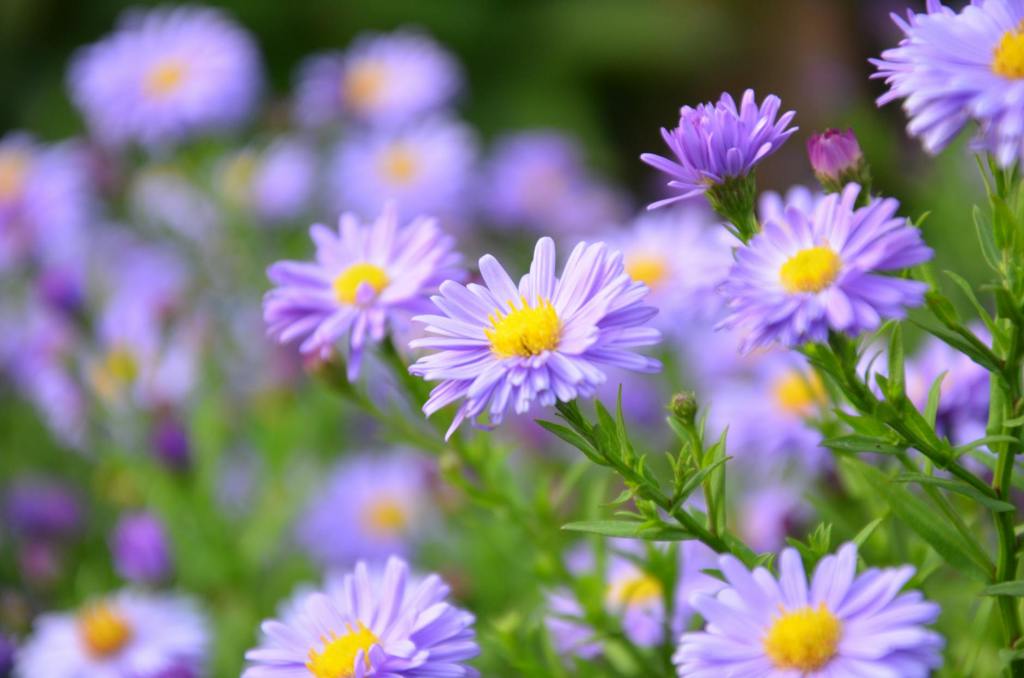
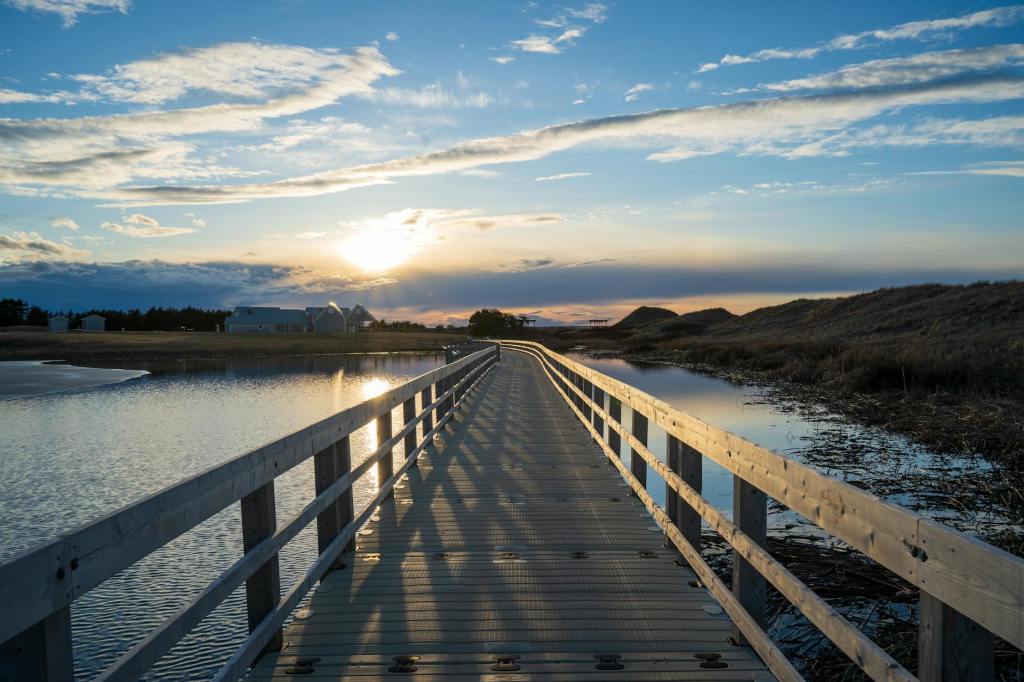
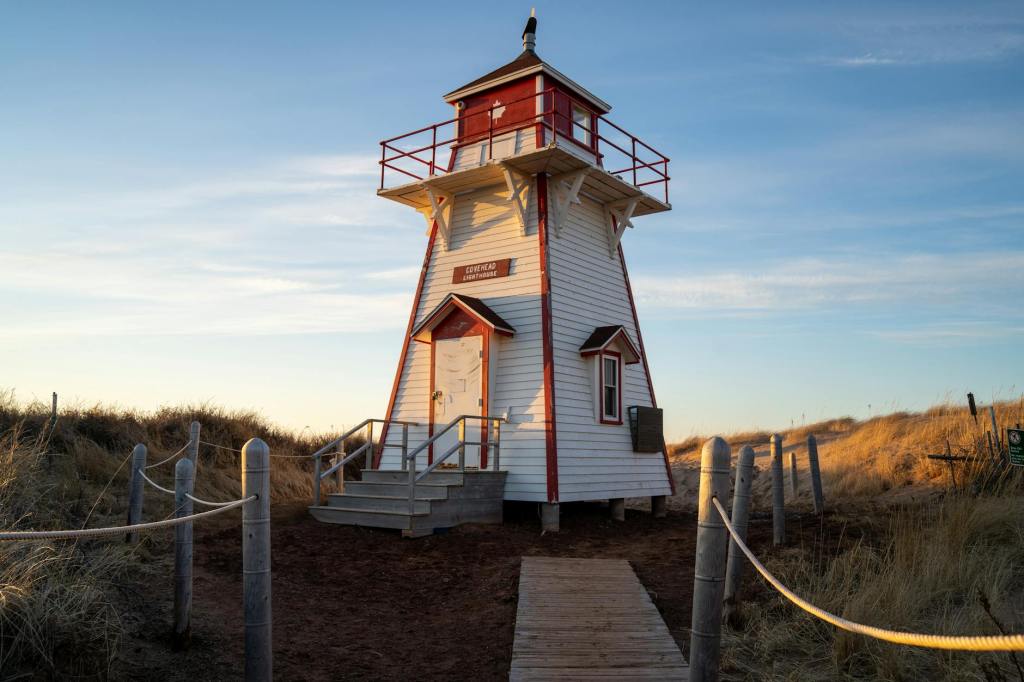
A September day on Prince Edward Island Hills, a crisp wind blowing up over the sand dunes from the sea; a long red road, winding through fields and woods…now basking in open sunshine between ribbons of Goldenrod and smoke blue Asters…
Photo by Beata Kamiu0144ska on Pexels.comPhoto by Sebastian Velandia on Pexels.comPhoto by Sebastian Velandia on Pexels.com
The stories are funny, quite poignant at times – and they have a wonderful wholesome feel about them.
I’m so glad I live in a world where there are Octobers. It would be terrible if we just skipped from September to November, wouldn’t it?
What books did you enjoy growing up? I’d love to hear from you in the comments section below.
In just under two weeks time, on 12th May, it’s National Limerick Day, where people post their favourite Limericks on Social Media, under the hashtag: #NationalLimerickDay!
Why May 12th? It was the birthday of the English Poet, Edward Lear, who was the king of limericks, making them popular in the early 1800’s.
A limerick? What’s a Limerick? I hear you ask. How do I write one? And why should I bother?.
And here is my answer!
It’s fun to sit down with a brew,
And come up with a limerick, or two,
It’s a juggle of thoughts,
A word-puzzle of sorts,
It’s a word-nerdy thing you can do!
Hahaha! A slightly silly response, granted. But here’s my logic: The very best way to learn how to write a Limerick is by reading them!
But just to be clear, here are a few features of the Limerick:
Limericks are humerous, rhyming, five-line poems, with the pattern: AABBA
They often tell a little anecdote or story – which makes them really fun to write.
Like this:
There once was a kitty so smart,
Stealing food was his devious art,
He would pilfer your chicken,
Next your ham, he’d be nickin’
Why, he’d even come back for your tart!
Our pets seem to feature quite regularly in my limericks – but, honestly, you can write a limerick about pretty much anything.
It could be educational:
Seeds are remarkable things,
Some have spikes, some rotate, some have wings,
Dandelion is cute,
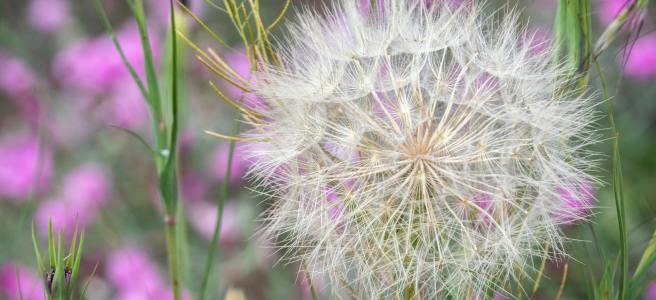
With its seed parachute 🪂
But the best one of all sorta' PINGS!

 - you could even write a limerick about…writing limericks!
Writing lim'ricks is tricky, but fun,
Make sure lines five and two rhyme with one,
Add a killer last line,
(If it helps, drink some wine!)
Don't give up, you'll be glad when it's done!


So what are you waiting for? You've got just under two weeks to get scribbling!
Here are some tips to get you started!
Pick one subject to write about- it could be your pet, a silly situation, a favourite film or book or even about yourself;
Try and nail your last line early on – this is the line that ties everything together, and if done well, really gets the giggles;
Remember, lines one, two and five all have to rhyme – so pick a common sound for your word-ending. Be creative with it! In some instances, forced rhyme can work quite well! (See last line of the second example below)
If you’re stuck, try to avoid abandoning your subject idea altogether. Instead, walk away for a bit. There are more ways than one to say something. Limericks are like a puzzle. Often the answer comes when you’re busy doing something else, like walking the dog, or doing the washing up.
A rhyming thesaurus can be really useful for those word endings, especially if you’re missing a beat or syllable
Oh, a rhyming thesaurus is grand,
It can help when your limericks are bland,
It can give you word power
At the e-leventh hour,
With names like: Pituitary Gland

There once was a cute little kitty,
Who would sit around looking so pretty,
But this act was a lie,
He was really a spy,
No you should not believe cats one bitty.
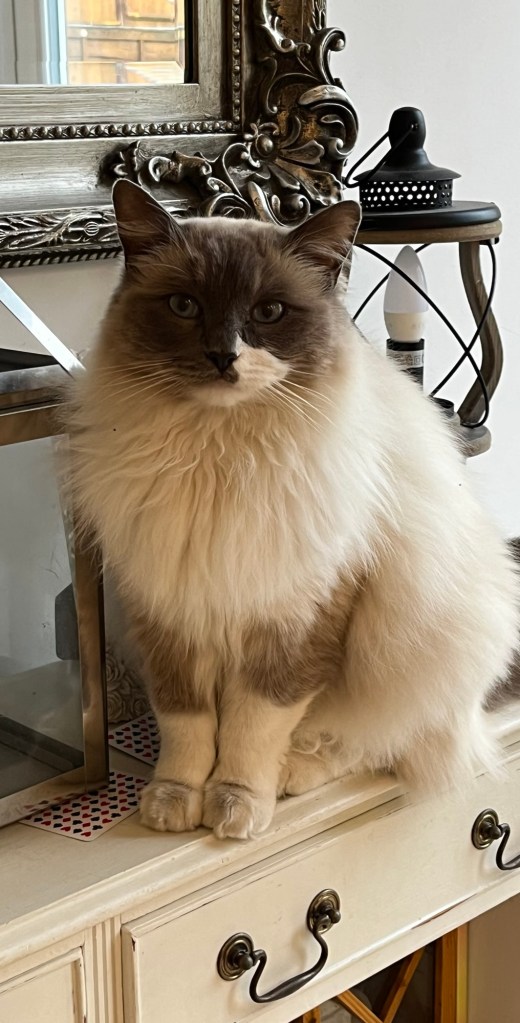
Moses, looking like butter wouldn’t melt…
I hope this post has inspired you and that you’re running for your notebook and pencil as we speak! Perhaps you’ll be brave enough to post them on #NationalLimerickDay!
I’m absolutely delighted to host a very special Q&A here on my blog today. We’ve got tons of treats in store, including a a video all about the book, plus Elizabeth’s wonderful art-work, AND a free download of the first chapter for you to enjoy – so do keep reading!
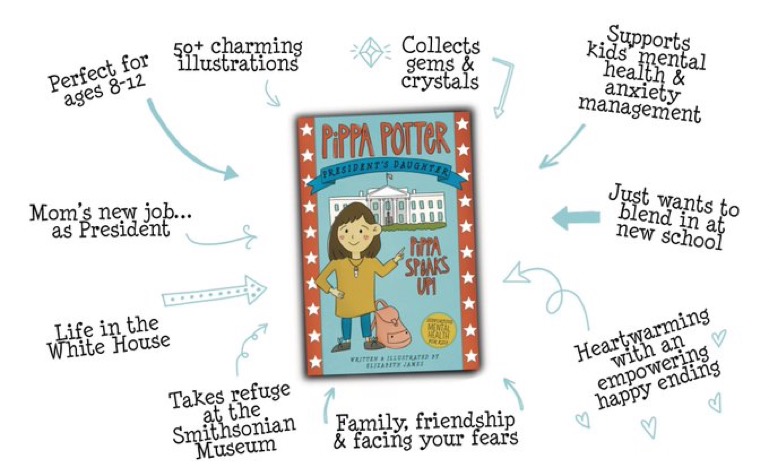
But firstly, a very warm welcome to Elizabeth James, creator of a new and exciting series of stories aimed at 8-12 year olds, featuring the very loveable ‘Pippa Potter.’ Elizabeth and I met via Twitter (yes, I still call it that) and have previously buddied up to read and critique each others Picture Book Manuscripts.
Elizabeth James is the author and illustrator behind the groundbreaking “Pippa Potter, President’s Daughter” chapter-book series, which champions children’s mental-health and wellbeing through a captivating narrative set in the White House. With two decades of experience in the publishing industry, Elizabeth has previously worked as a magazine editor, freelance writer and publicist for New York Times bestselling authors and books. She also is the author of Trivia To-Go Family Challenge: Holiday Edition, a children’s Q&A trivia book, and has multiple devotions published in Guideposts’ Pray a Word a Day, vol. 2 devotional.
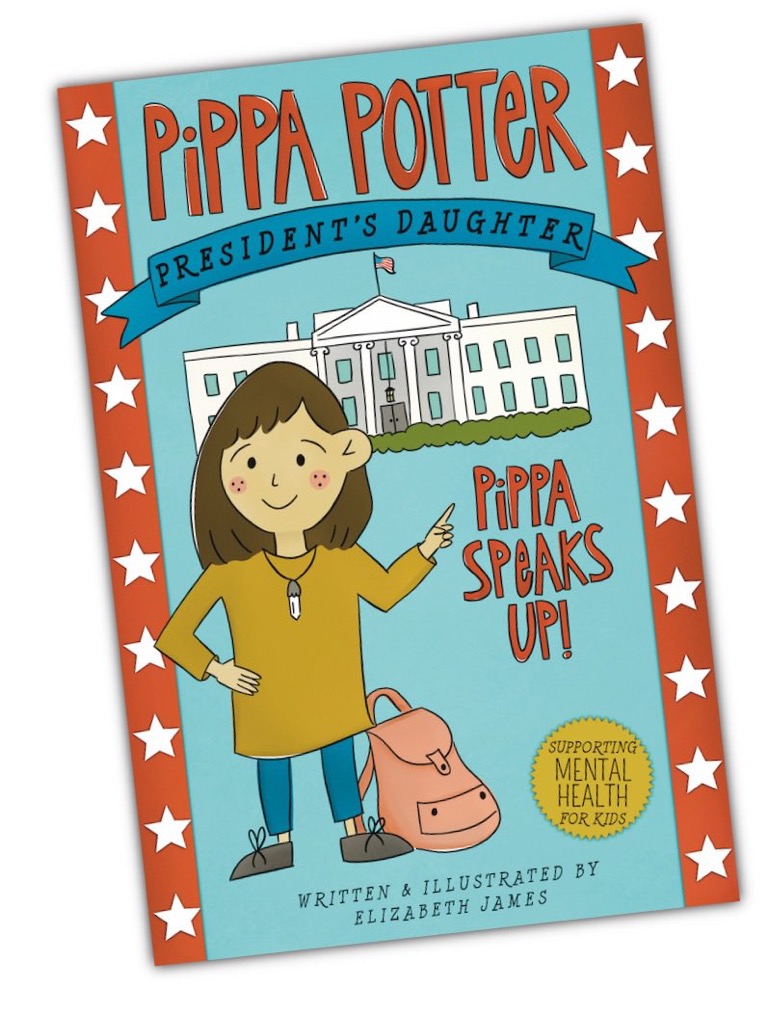
Elizabeth very kindly agreed to answer some questions all about the first book in the series, entitled: Pippa Speaks Up! How exciting!
Q. Hi Elizabeth! Where did you get the idea for this story? What inspired you?
I was inspired to write this story after my daughter began therapy for her anxiety when she was 7 years old. As someone who has also suffered from anxiety since I was a kid, I became really enamored with the idea of taking some of the things we were both learning about emotions (and anxiety, in particular) and weaving them into a story so that other kids could learn them from a young age, without having to necessarily enter into therapy themselves. (This is especially important because stats show that there’s a dire shortage of therapists, and anxiety only continues to rise among kids!)
Q. Can you tell us a little bit more about Pippa, your Main Character?
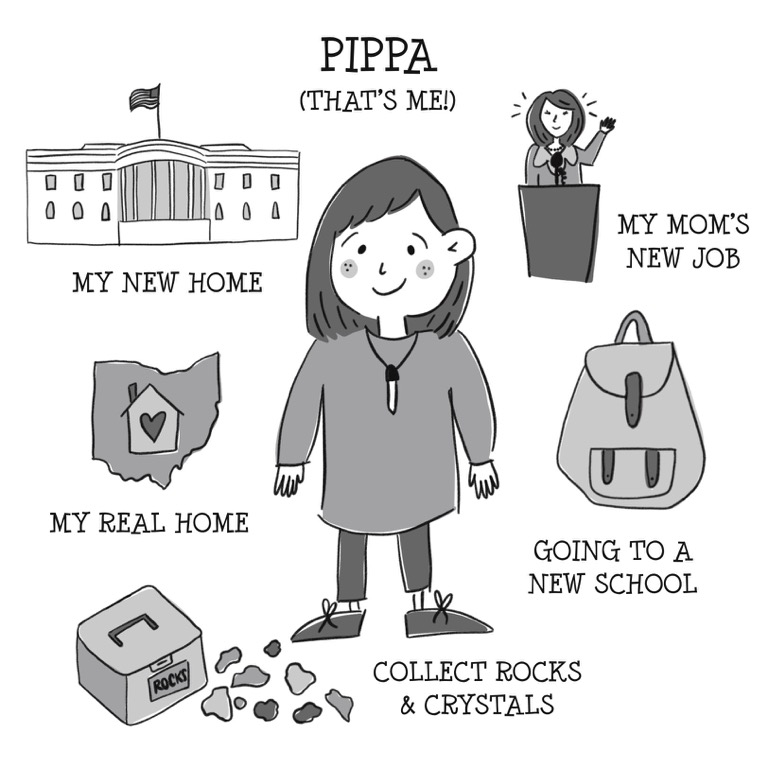
Pippa Potter is an endearingly anxious girl who has just moved into the White House, after her Mom was elected President. As someone who shuns the spotlight, the move has been hard for her, especially given there are two kids at her new school who won’t let anyone forget who her mom is…as if anyone could forget, since she’s the only child followed around by a Secret Service agent! Instead of basking in the glow of being the President’s daughter, Pippa instead takes refuge in her hobby of collecting crystals and visiting the Smithsonian Museum’s world-renowned gem collection.
Q. Pippa is an ordinary kid in many ways (but she lives quite an extraordinary life, doesn’t she?) When did the idea of her being the ‘First Kid’ come in? Right from the start? Or was this an idea that came later?
That’s a great compliment! I always wanted Pippa to feel very relatable to kids, especially those who struggle with anxieties. Originally, she was not the President’s daughter, but after writing the first iteration and querying it to no interest, I realized I needed a “hook.” I honestly cannot remember when the idea hit me to make her the President’s daughter. At some point, I typed it up, filed it in a folder, and then forgot about it until I picked it back up 2 years later! But then I loved it. It did take me a few versions to really get into the head of being the President’s daughter, through which I read interviews, watched Michelle Obama’s documentary and did a lot of research. But eventually, I hope I struck the balance of a kid we can all relate to while still getting the feel of living in a “fantasy” world, albeit the White House.
Q. The book is packed with tons of fun facts, not only about the Whitehouse, but also about Geology, (or should I say Petrology – I had to look that up!) as Pippa collects rocks and gemstones. Was it fun researching all the facts for this story?
It was a TON of fun! As I mentioned before, I checked out a lot of books and watched videos but also reached out to the White House Historical Association, who were kind enough to answer a bunch of questions I had about really specific things, like, “Which bedroom would my character live in at the White House?” I couldn’t find the answer anywhere, but the kind curators there were able to tell me which room most First Kids usually lived in while in the White House!
Q. The rock collecting idea was a neat way of drawing out Pippa’s character! Where did this idea come from?
When I was young (about Pippa’s age), I had a rock collection that I kept in an old fishing tackle box and always loved. I have no idea where it went, but I’ve always held a soft spot for beautiful rocks. And when I was thinking about Pippa and her anxiousness, giving her a love of collecting rocks (especially crystals) just seemed a perfect fit!
Q. Your story features a visit to the Smithsonian Museum. Have you ever visited Washington DC?
I’ve been to Washington DC twice, both times as an adult, and, yes, I was able to go to many of the Smithsonian Museums, including the one of Natural History featured in Pippa’s story! Though I definitely had to refresh my memory, but fortunately you can take “virtual field trips” inside so that was a huge help when it came to research!
Q. You illustrated and Self-Published the book – wow! This must have been both a challenging and fun process. Can you tell us a little bit about how this went? What new skills did you learn along the way?
Yes! It’s funny, because when I was in first grade, I actually wanted to be an artist. But by second grade, I was bitten by the writing bug. I always maintained an appreciation for art (my first full-time job out of college was being an editor for a graphic-design magazine), but my own skills suffered.
But chapter book illustrations are usually in black-and-white and much more simple than in picture books. Time and again I thought to myself, “I bet I could do that.” Finally, I committed myself to trying, and I’m super proud of how it turned out!
Q. How long would you say it took to write Pippa Speaks Up?
I wrote and edited Pippa Speaks Up! over about five months. I did the illustrations for the first three chapters at this time, and then finished the remaining chapters’ illustrations over about two additional months.
Q. Pippa Speaks Up is the first book in the Pippa series. Does this mean there are more Pippa books in the pipeline?
Yes! I am currently writing #2 right now, but have brainstormed storylines for at least half a dozen others! In the future, we will look at more emotions kids face, including anger, perfectionism, conflict, and other specific anxieties (such as the all-too-real fear of intruders). They will all incorporate kid-friendly mental-health concepts and tools/techniques they can incorporate into their own lives. My husband is a licensed counselor, so that’s been a big help ensuring that the information I’m providing is accurate and evidence-based.
Q. And finally…have you ever been scared to speak in front of people like Pippa was in the story? Do you have to speak in front of people now you’re an author? Is it scary? If so, how do you rise above the fear?
Yes, I very much still feel the fear Pippa does about speaking up about a variety of things! It’s one of the ways I’m trying to stretch myself, just like Pippa does. In fact, I just reached out to a school about doing an author visit. Does the idea terrify me? Yes. But just like Pippa tells herself, “I can be brave!”
YES! INDEED!
I do hope you enjoyed reading this post as much as I enjoyed putting it together. I’m sure you’ll all join me in extending huge congratulations to Elizabeth on the release of her book and for seeing this idea through from start to finish! Inspiring stuff!
And as a special treat, Elizabeth has very kindly offered to send us a free download of the first chapter of the book! Simply click on the link below. Enjoy!



 Angela Jelf