Crumble Time!

Twas November 2nd and our tummies did rumble,
When mum said: “I’ve got it! I’m making a crumble!”
So she sautéed some apples
And some blackberries of course
With a small pinch of cinnamon
In a syrupy sauce,
Then she made golden crumble
And spooned it on top,
Then into the oven
That crumble did pop
And…

We scoffed the whole lot!

  • Melt 30g butter in a saucepan together with 30g Demerara Sugar until beginning to caramelise;
  • Add 300g of sliced apples (I used a fairly tart red variety called ‘Braeburn)’ and 1 punnet (approx 120g) blackberries – add a dash of cinnamon and sautee until tender;
  • In a separate bowl add 120g plain flour and 60g caster sugar. Lightly rub 60g cold butter into the flour and sugar mixture with fingertips until the mixture resembles breadcrumbs
  • Arrange sautéed fruit in an oven proof dish and spoon crumble mixture on top – add some porridge oats if liked for extra texture and a sprinkling of Demerara sugar
  • Bake in a preheated oven for 20 mins or golden and bubbling!
  • Serve hot with cream, ice cream or custard!
  • Couldn’t be simpler!

Enjoy!

This Autumn

Beware The Gringlecrunch, My Son!

I’m currently working my way through a superb course on Picture Book writing by the brilliant Julia Donaldson.

(For a link to all the BBC Maestro Courses, click here: https://www.bbcmaestro.com/)

Photo by Lina Kivaka on Pexels.com

The course content is not only helpful, but wonderfully inspiring and at the end of every session, there is an exercise to try. The most recent was to read the classic ‘Jabberwocky’ by Lewis Carroll – writer of the Alice in Wonderland books – and use it as a basis for writing your own story or poem.

In case you haven’t read it, ‘Jabberwocky’ is a poem which intersperses plain English with totally nonsensical, made-up words resulting in a totally brilliant bit of balderdash which the reader can still understand!

If you’ve never read it, please do!: https://www.owleyes.org/text/jabberwocky/read/text-poem

Photo by Naele Souza on Pexels.com

For the sake of time, I decided to stick largely to the original text, but try to come up with my own nonsensical words in place of Carroll’s! And here is the result.

T’was flinkle, and the smurky glurg,
Did chire and chunder in the floom,
All boggy were the swampaleeze,
And the qualm fligs downrume.

‘Beware the Gringlecrunch, my son,
His knees go creak, his knuckles crack.
Beware the Howling Jowl and run
From terrifying Bladdersmack!’

He took his runsome sword in hand,
Longtime the vexious foe he sought,
So rested he by the Plickadee
And stood a while in thought.

And as in flonder thought he stood
The Gringlecrunch with breath most foul,
Came hortling through the greeping wood
Skarooming with a howl!

One two! One two! And through and through,
The runsome blade went Bammleboff!
He left it dead, and with its head
He went marading off!

‘”And hast thou slain the Gringlecrunch?
Come to my arms my lubbish lad,
Oh vumshious night, Skooreeh! Skoorite!
My heart is minsely glad.

T’was flinkle, and the smurky glurg,
Did chire and chunder in the floom,
All boggy were the swampaleeze,
And the qualm fligs downrume.

I found this exercise heaps of fun, but also challenging. Believe it or not, it’s trickier than you might think to to come up with a word that sounds vaguely recognisable, whilst at the same time being utter nonsense – especially whilst sticking to a rhyming scheme.

So in honour of National Poetry Day, (which is tomorrow by the way) why not have a go at writing your own rendition of ‘Jabberwocky?’ I’d love to hear how you get on!

Happy writing!

“He Called Me Carrots!”

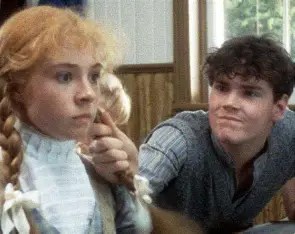
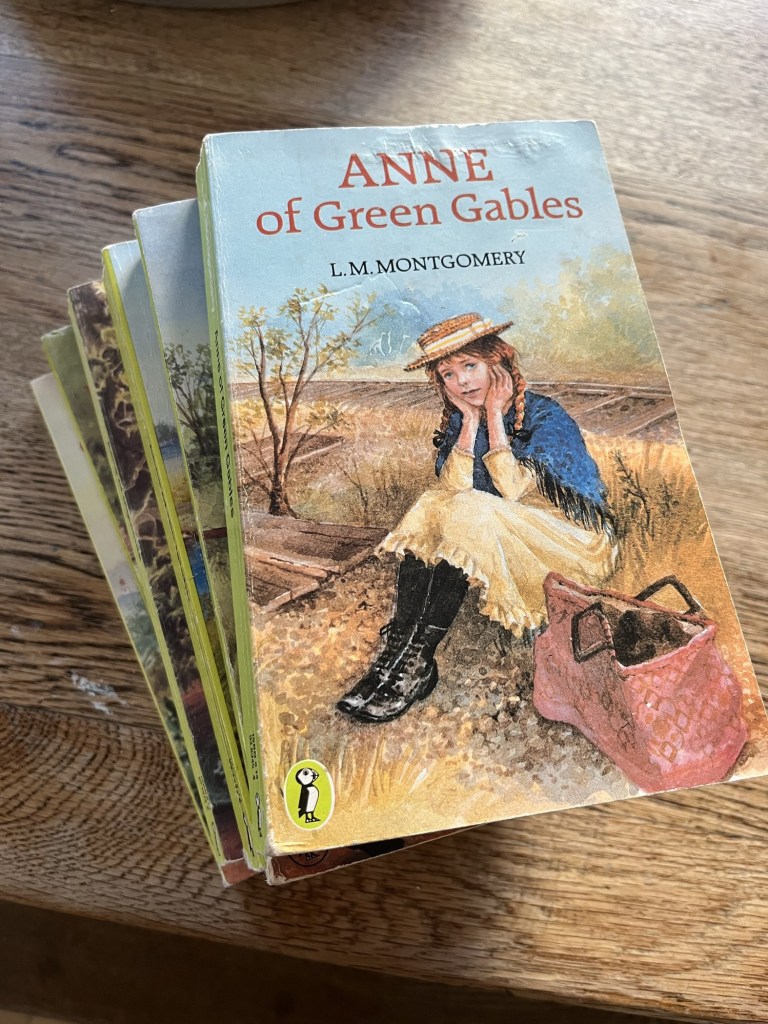
Here’s a tribute to one of my favourite set of books (and films) growing up.

The Anne of Green Gables series, by Lucy Maud Montgomery, follows the childhood adventures of an extremely imaginative and chatty orphan girl, named Anne Shirley (that’s Anne spelt with an ‘e’ of course!) who comes to live – by way of a mistake – with straight-laced elderly siblings Matthew and Marilla Cuthbert.

I can’t help flying up on the wings of anticipation. It’s as glorious as soaring through a sunset. Almost pays for the thud!”

Interestingly, I watched the 1985 film adaptation, produced by Kevin Sullivan, before reading the books! And I’m pleased to say, this didn’t ruin the stories for me, but only made me want to read them even more!

I was absolutely spell-bound by the characters, the cinematography and the film-score, and got very quickly swept up into the wonderful world of Anne, her ‘bosom friend’ Diana Barry, Gilbert Blythe, and all the other characters from Avonlea.

As a fellow red-head, I too had been called Carrots a time or two! (And ‘Gingernut’ and ‘Duracell’). So I instantly empathised with Anne, and felt like something of a kindred spirit.. I also shared her love for reading, writing, poetry and flowers – and having a somewhat fanciful imagination!. Fortunately, though, I happened to be a lot less hot-headed! I’m not sure I would have had the guts to walk the ridge-pole of a roof if Josie Pie had ever dared me. And I’m pretty sure I would have forgiven the handsome Gilbert Blythe in a heart-beat if he’d called me Carrots.

I will never forgive Gilbert Blythe, Diana. The iron has entered my soul…

After watching the films, I raced out and bought the first few books, eager to find out more about the mishaps and antics of Anne, who was constantly ‘getting into scrapes,.’ a few of my favourites being:

  • Accidentally setting Diana drunk because she mistook Rachel Lynde’s redcurrant wine for Raspberry Cordial;
  • Getting rescued by Gilbert Blythe when she fell into the ‘Lake of Shining Waters’ after re-enacting a scene from Tennyson’s ‘Lady of Shallot’;
  • Falling into the mud after trying to prevent an errant cow from entering a crotchety neighbour’s field….

…to mention just a few….But you’ll have to read the books for yourself!

Isn’t it nice to think that tomorrow is a new day with no mistakes in it yet?”

I was delighted to discover that the stories took Anne into adulthood! As a kid there was nothing better than a book series, which followed a beloved cast of characters through all their ups and downs as they grew up.

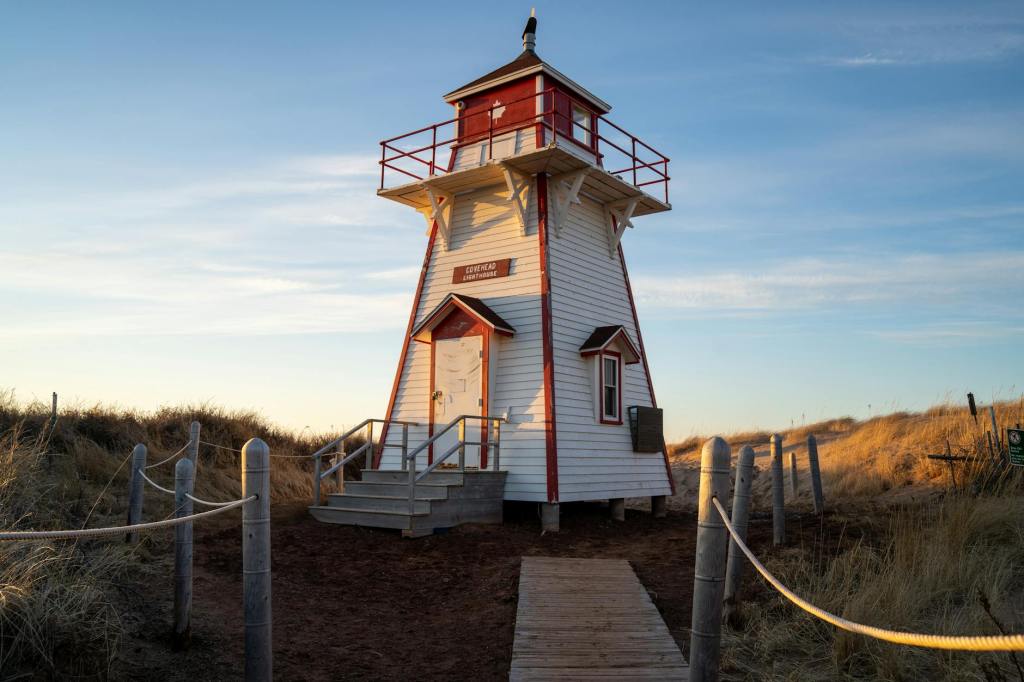
Even as an adult, I still have the full set on my book case and occasionally re-read them. They are wonderfully comforting and a bit like old friends to me. My youngest daughter recently listened to an audio version of the first book at bedtime and she absolutely loved it – which just goes to show their enduring appeal. Admittedly, they are quite wordy compared to many children’s books nowadays, but they are wonderfully descriptive, especially about the natural beauty of Prince Edward Island, where the books are set. There are one or two sentences in them that really sing… and if you’re anything like me, you’ll find yourself reading them twice, because they’re just so lovely.

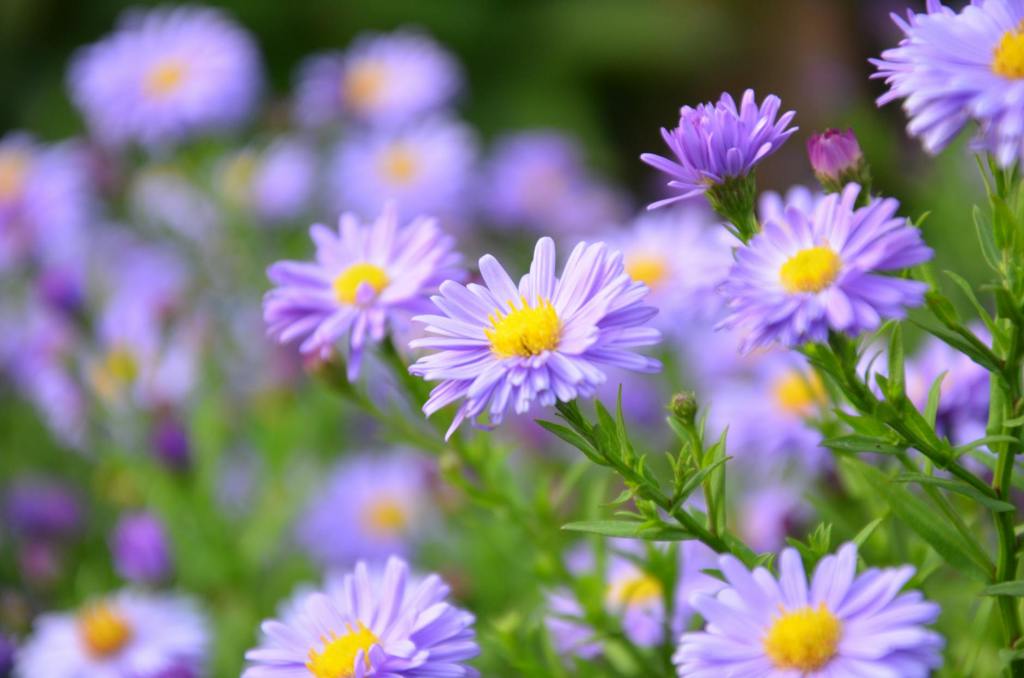
A September day on Prince Edward Island Hills, a crisp wind blowing up over the sand dunes from the sea; a long red road, winding through fields and woods…now basking in open sunshine between ribbons of Goldenrod and smoke blue Asters…

The stories are funny, quite poignant at times – and they have a wonderful wholesome feel about them.

I’m so glad I live in a world where there are Octobers. It would be terrible if we just skipped from September to November, wouldn’t it?

What books did you enjoy growing up? I’d love to hear from you in the comments section below.

Quick! Quick! Write A Limerick!

In just under two weeks time, on 12th May, it’s National Limerick Day, where people post their favourite Limericks on Social Media, under the hashtag: #NationalLimerickDay!

Why May 12th? It was the birthday of the English Poet, Edward Lear, who was the king of limericks, making them popular in the early 1800’s.

A limerick? What’s a Limerick? I hear you ask. How do I write one? And why should I bother?.

And here is my answer!

It’s fun to sit down with a brew,
And come up with a limerick, or two,
It’s a juggle of thoughts,
A word-puzzle of sorts,
It’s a word-nerdy thing you can do!

Hahaha! A slightly silly response, granted. But here’s my logic: The very best way to learn how to write a Limerick is by reading them!

Definitely check out Edward Lear – https://www.britannica.com/biography/Edward-Lear – who apparently wrote 212 fine examples. You’ll soon get a feel for the rhythm and rhyme scheme.

But just to be clear, here are a few features of the Limerick:

  • Limericks are humerous, rhyming, five-line poems, with the pattern: AABBA
  • They often tell a little anecdote or story – which makes them really fun to write.

Like this:

There once was a kitty so smart,
Stealing food was his devious art,
He would pilfer your chicken,
Next your ham, he’d be nickin’
Why, he’d even come back for your tart!

Our pets seem to feature quite regularly in my limericks – but, honestly, you can write a limerick about pretty much anything.

It could be educational:

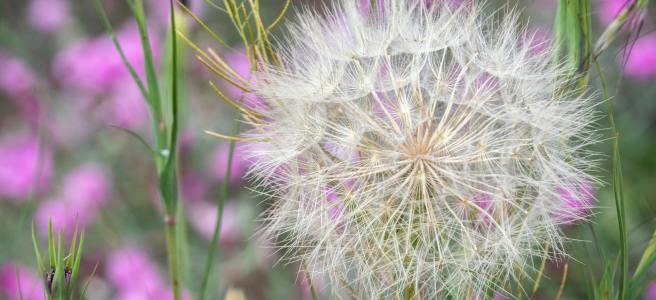
Seeds are remarkable things,
Some have spikes, some rotate, some have wings,
Dandelion is cute,
With its seed parachute 🪂
But the best one of all sorta' PINGS!

- you could even write a limerick about…writing limericks!
Writing lim'ricks is tricky, but fun,
Make sure lines five and two rhyme with one,
Add a killer last line,
(If it helps, drink some wine!)
Don't give up, you'll be glad when it's done!


So what are you waiting for? You've got just under two weeks to get scribbling!

Here are some tips to get you started!

  • Pick one subject to write about- it could be your pet, a silly situation, a favourite film or book or even about yourself;
  • Try and nail your last line early on – this is the line that ties everything together, and if done well, really gets the giggles;
  • Remember, lines one, two and five all have to rhyme – so pick a common sound for your word-ending. Be creative with it! In some instances, forced rhyme can work quite well! (See last line of the second example below)
  • If you’re stuck, try to avoid abandoning your subject idea altogether. Instead, walk away for a bit. There are more ways than one to say something. Limericks are like a puzzle. Often the answer comes when you’re busy doing something else, like walking the dog, or doing the washing up.
  • A rhyming thesaurus can be really useful for those word endings, especially if you’re missing a beat or syllable
Oh, a rhyming thesaurus is grand,
It can help when your limericks are bland,
It can give you word power
At the e-leventh hour,
With names like: Pituitary Gland

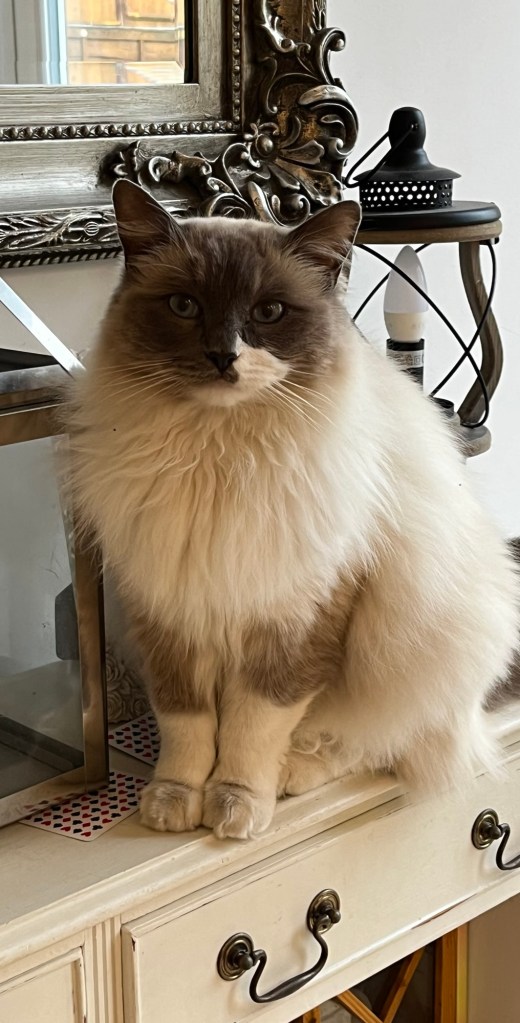
There once was a cute little kitty,
Who would sit around looking so pretty,
But this act was a lie,
He was really a spy,
No you should not believe cats one bitty.

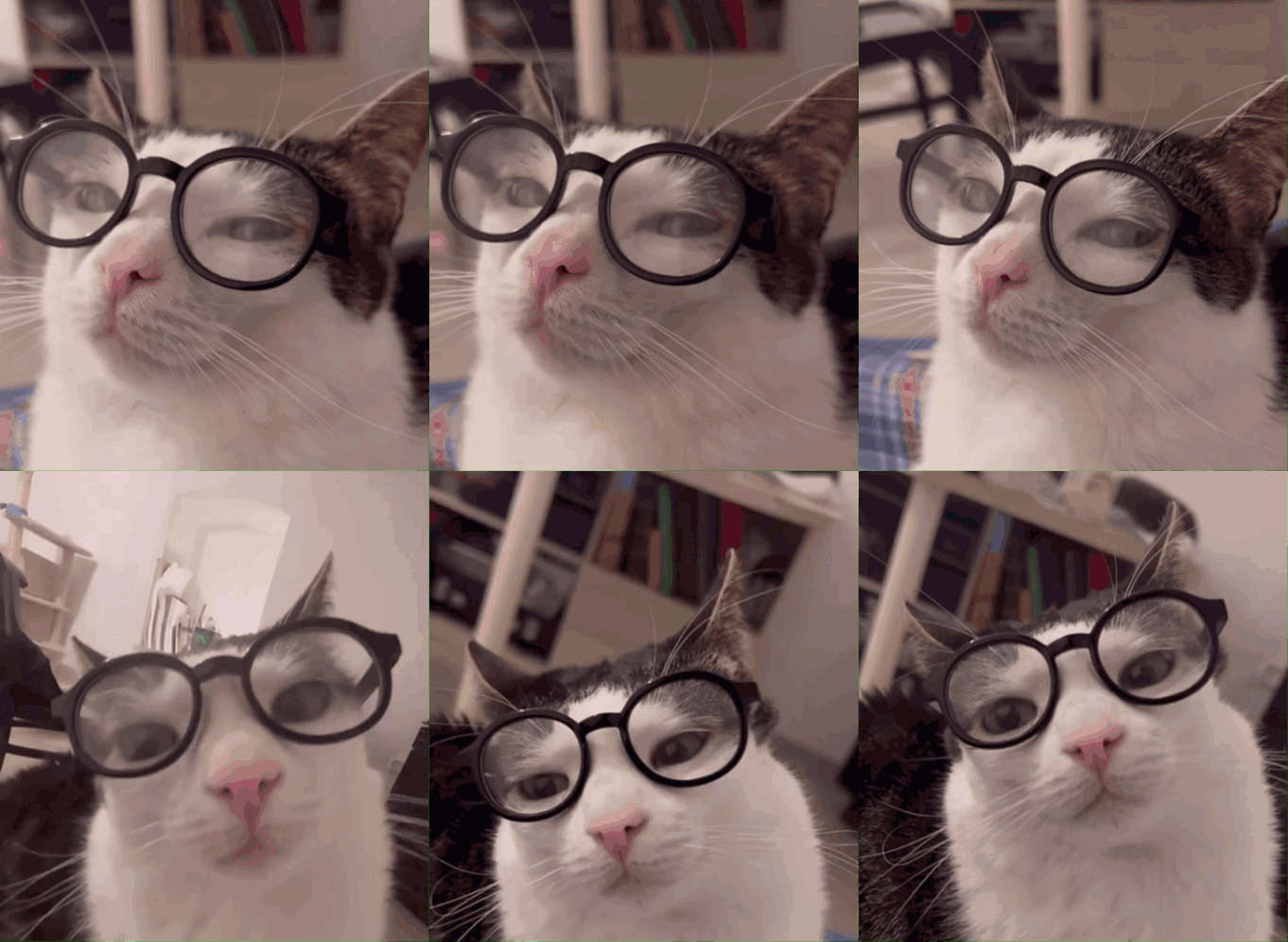
Moses, looking like butter wouldn’t melt…

I hope this post has inspired you and that you’re running for your notebook and pencil as we speak! Perhaps you’ll be brave enough to post them on #NationalLimerickDay!

Happy writing!

How-do-you…Haiku?

I love taking part in poetry events and online initiatives. One of these is #HaikuSaturday.

What’s a Haiku, you may well ask?

Well…it’s not a sneeze!

But it is a very short poem that follows these three rules:

  • A haiku consists of three lines (which don’t generally rhyme);
  • A haiku consists of (no more than) 17 syllables;
  • A haiku captures a brief, vivid moment or observation, or sudden realisation , often related to nature. The aim of a haiku is to say something big, profound, powerful or evocative, using only a few words.

If you’re new to writing Haiku – try starting with the 5-7-5 sequence:

  • 5 syllables in line one
  • 7 syllables in line two
  • 5 syllables in line three

Like this:

God is a painter,
The skies are His canvasses,
Glory on display!

The whole poem should be about ONE thing. One moment. One observation. One striking thought or idea.

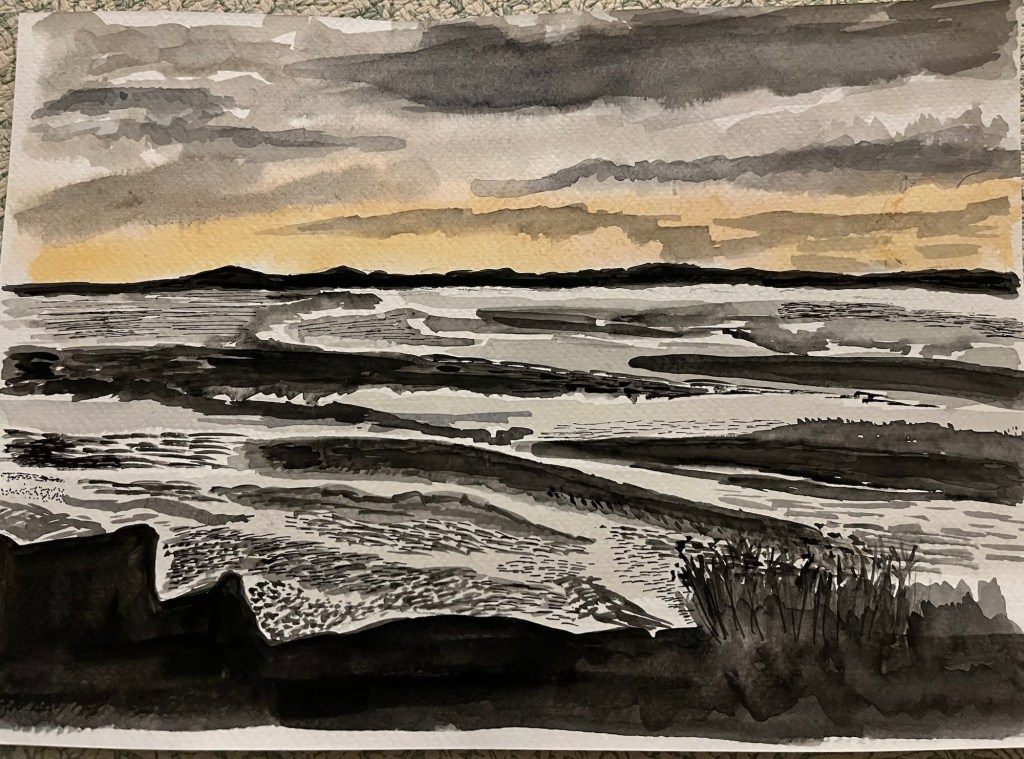
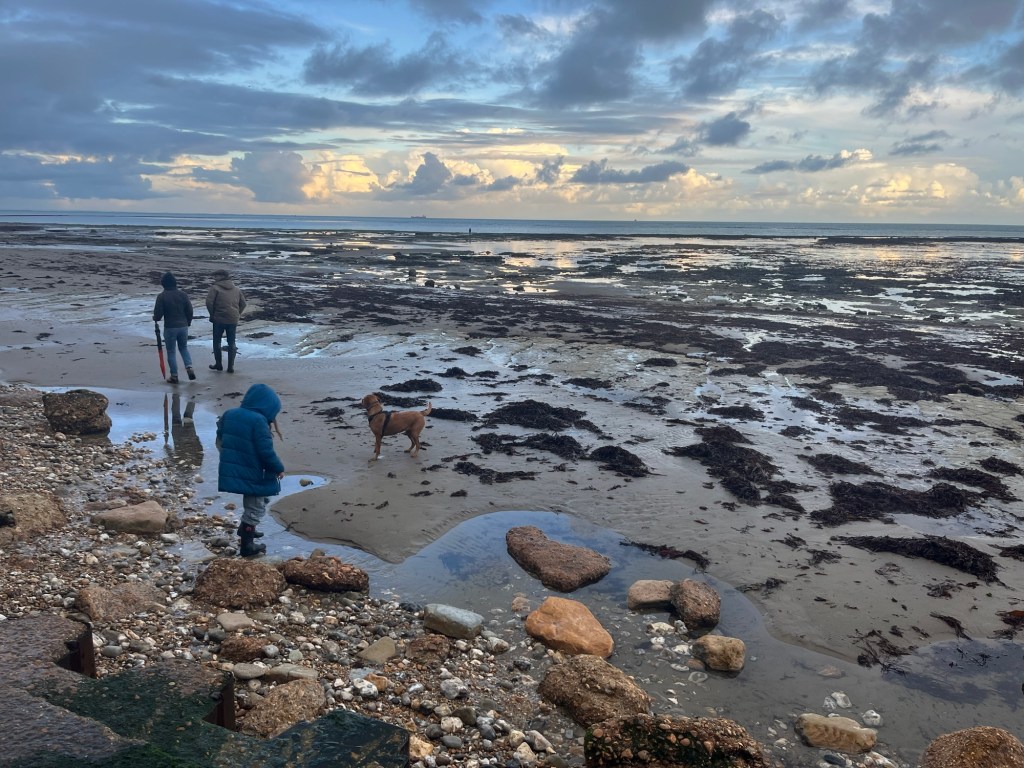
After the deluge,
Rock pools flooded with bounty,
Treasures in the storm

Now it’s Your Turn!

Here’s three reasons why you should try writing a Haiku today:

  • Haiku are a great way of celebrating those wonderful fleeting moments in nature, encouraging you to really stop, look and listen! I love the saying: – “you should spend one hour every day in nature. Except if you’re busy. Then you should spend two.”
  • Fed up with the Crossword? Haiku are a great way to exercise your brain, hone your word-skill and practice getting your thoughts on paper – and there’s no right or wrong way to write a haiku;
  • You know all those photos that are just hanging around on your phone? Why not use them as inspiration for a Haiku? And if you’re a writer or blogger, you’ll even have something fresh to post!

And most of all, Haiku are a great way to experiment with phrases, forget about trying to rhyme and just have fun with words! (see, that’s four reasons! Now go on – grab your note-book and pen!)


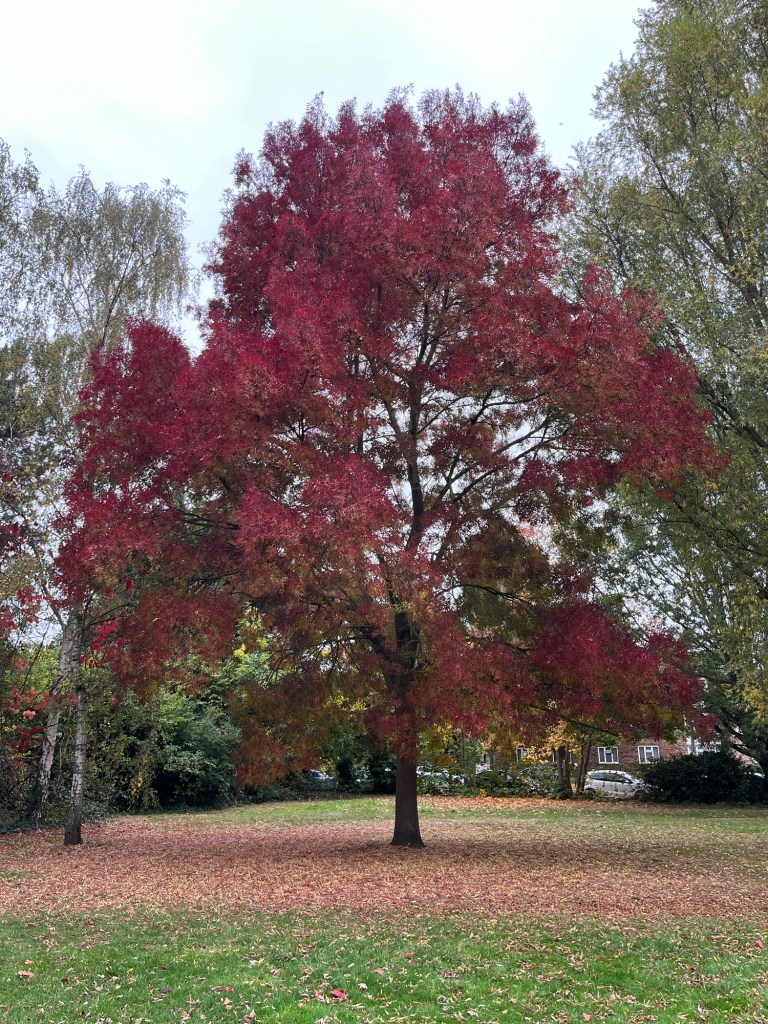
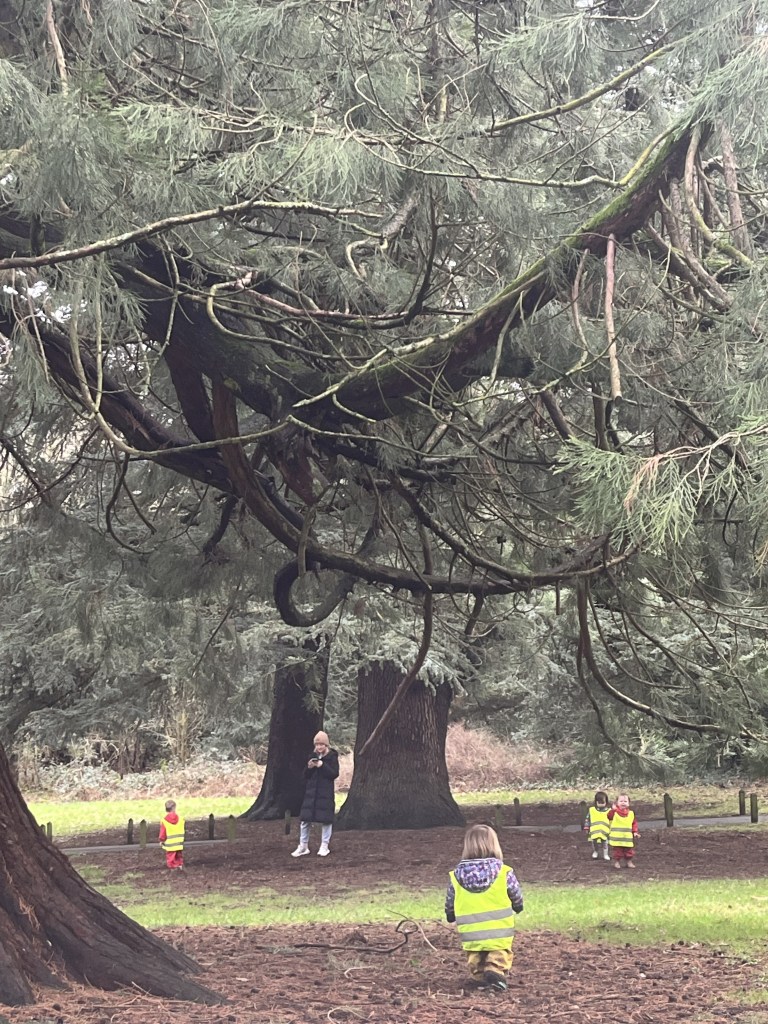
Magnificent tree,
How many winters have you
Stood against the wind?

If you’re new to writing poetry, why not jump on board today? You could even post your Haiku in the comments section below ! I’d love to read them!

Happy writing!

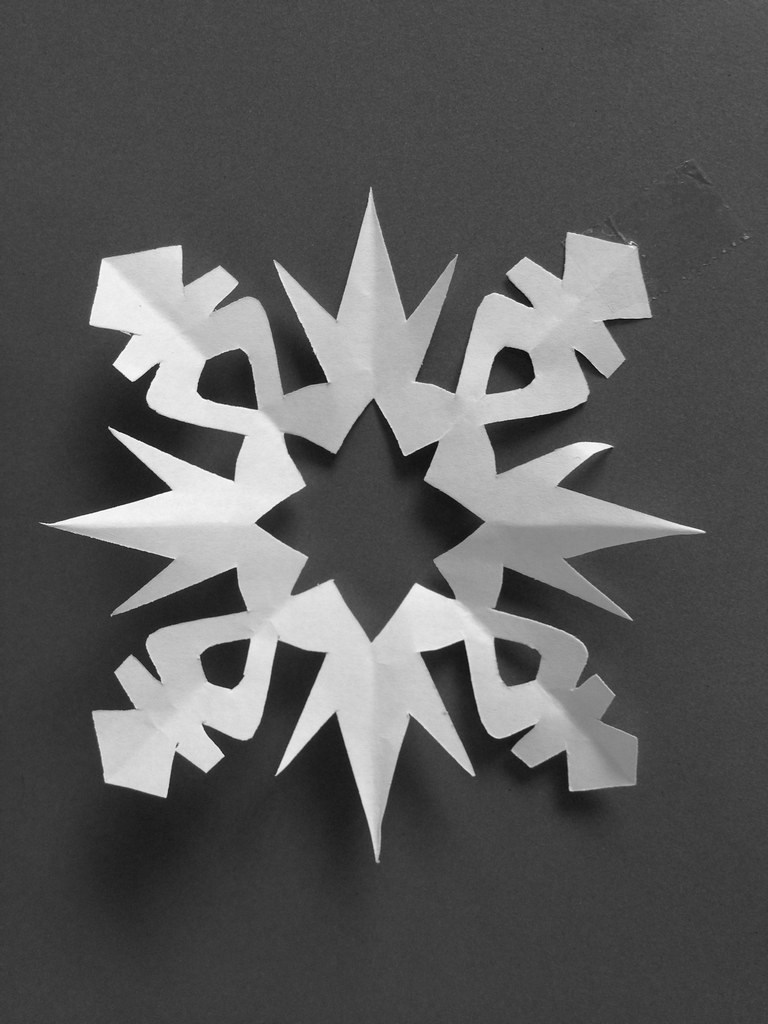
Paper Snowflake

I used to LOVE making these as a child. Did you?

Tiny Travelers

In celebration of National Poetry Day, 220 new poems have been uploaded onto https://www.dirigibleballoon.org – a fantastic bank of poetry for kids!

Such a pleasure to have one of mine included! (https://dirigibleballoon.org/poem/Tiny-Travelers)

It’s all about seeds, and the fascinating ways they get around!

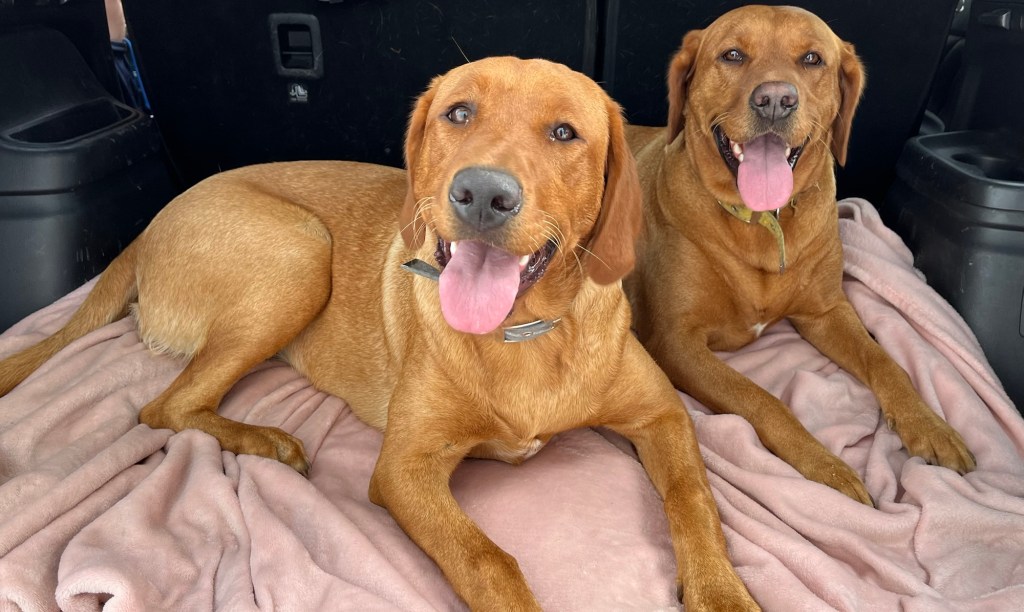
The World’s Best Dog

I wrote this poem for a Valentine’s Poetry Competition, hosted by The Little Thoughts Press back in February. The brief was to write a silly sonnet about something you really love! Mine was based on Shakespeare’s Sonnet Number 30

I didn’t win the overall prize, but was delighted to be voted Kid’s Choice Winner!

Why don’t you have a go at writing a silly sonnet?